Do you often feel that lingering stuffiness in your home, or find yourself battling persistent allergies despite regular cleaning? The air inside our homes can surprisingly be up to five times more polluted than the air outside, teeming with invisible airborne contaminants that affect our health and comfort. Investing in a high-efficiency particulate air (HEPA) filter air purifier can be a transformative step towards creating a healthier living environment, providing a sanctuary of clean, fresh air for you and your family. This comprehensive guide will navigate you through everything you need to know about HEPA air purifiers, helping you make an informed choice for your home.
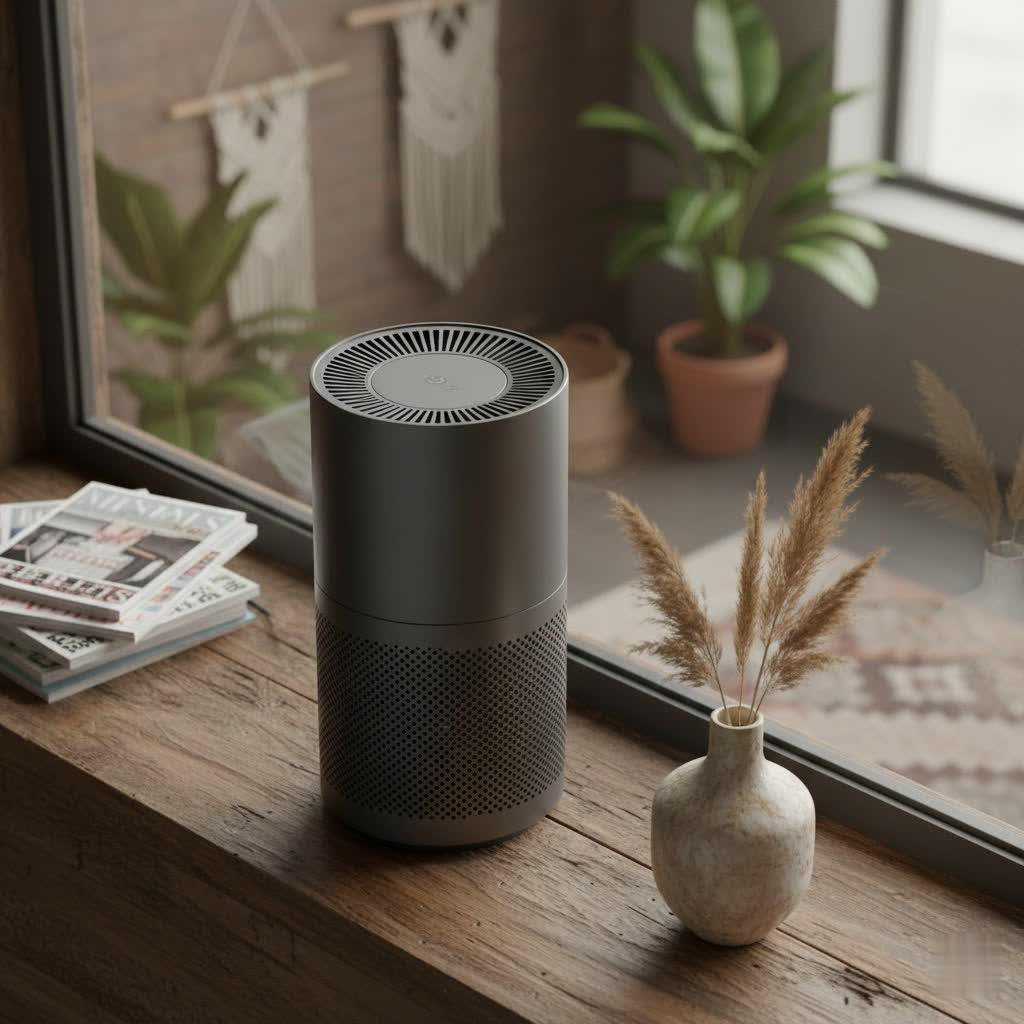
Why You Need a HEPA Filter Air Purifier
Indoor air pollution is a silent adversary, contributing to a range of health issues from minor irritations to severe respiratory conditions. Understanding the pervasive nature of these pollutants highlights the critical role an air purifier plays in maintaining a healthy home.
The Invisible Threat: Indoor Air Pollution and Its Impact
Our homes, often sealed for energy efficiency, can inadvertently trap a multitude of pollutants. Sources include dust mites, pet dander, mold spores, cooking fumes, volatile organic compounds (VOCs) from cleaning products and furniture, and even outdoor pollution seeping in. These microscopic particles can trigger allergies, worsen asthma, and contribute to long-term respiratory problems.
HEPA filter air purifiers are designed to tackle these challenges head-on by capturing the vast majority of airborne particles. This leads to significant health benefits, including:
- Allergen Reduction: For allergy sufferers, HEPA purifiers are a game-changer. They effectively remove pollen, dust mites, and pet dander that cause sneezing, runny noses, and itchy eyes, providing much-needed relief.
- Improved Respiratory Health: By eliminating airborne irritants, HEPA filtration can significantly reduce the frequency and severity of asthma attacks and other respiratory difficulties, making breathing easier.
- Antivirus Protection: While not a standalone solution, HEPA filters can trap certain viruses and bacteria-carrying particles, helping to lessen the spread of airborne infections within your home.
- Removal of Fine Particles and Smoke: HEPA filters are particularly adept at capturing fine particulate matter (PM2.5), including those from smoke, ensuring clearer air.
- Odor and VOC Reduction: While HEPA filters primarily target particles, many purifiers integrate activated carbon filters, which are excellent at adsorbing gases, chemical fumes, and unpleasant odors from cooking, pets, or household products.
- Ideal for Pet Owners: Anyone with furry companions knows the struggle of pet dander and associated odors. HEPA purifiers efficiently capture these allergens, making homes more comfortable for both pets and their owners.
|
Our Picks for the Best Air Purifier in 2026
As an Amazon Associate I earn from qualifying purchases.
|
||
| Num | Product | Action |
|---|---|---|
| 1 | Air Purifiers for Home Pets Covers Up to 1500 Sq Ft,H13 Hepa Filter with Washable Pre-Filter,Pet Hair Dander Smoke Air Cleaner,22 dB Quiet Sleep for Living Room Bedroom Kitchen,P280 (Black) |

|
| 2 | Air Purifiers for Home Large Room, Cover Up to 2400 Ft² with True HEPA Filter, Smart Mode, PM2.5 Air Quality Display, 22dB Sleep Mode, Aromatherapy with 2X-Purification & 360°Air Outlet, HAP603, White |
|
| 3 | Air Purifiers for Bedroom, FULMINARE H13 True HEPA Air Filter, Quiet Air Cleaner With Night Light,Portable Small Air Purifier for Home, Office, Living Room |
|
| 4 | LEVOIT Air Purifiers for Bedroom Home Dorm, AHAM VERIFIED, 3-in-1 Filter Claener with Fragrance Sponge, Portable Filters Smoke, Allergens, Pet Dander, Odor, Dust, Office, Desktop, Core Mini-P, White |
|
| 5 | KNKA Air Purifier for Home Bedroom Large Room Up to 3,500 Ft², HEPA Air Cleaner with Washable Pre-Filter, AHAM VERIFIDE, AQI Display, ECO Mode, Pet Mode for Pets, Allergies, Dust, Pollen, APH4000 |
|
| 6 | LEVOIT Air Purifiers for Home Large Room Up to 1875 Ft² with Washable Pre-Filter, AHAM VERIFIDE, Air Quality Monitor, HEPA Sleep Mode for Allergies, Pet Hair in Bedroom, Vital 200S-P, White |
|
| 7 | Air Purifiers for Home with H13 Quiet HEPA Filter, Up to 1076 Ft² for Pet Hair, Odors, Pollen, Smoke, Compact Air Cleaner with 3 Speeds, Timer, Aroma Quiet 360°Intake Filter, White |
|
| 8 | LEVOIT Air Purifier for Home Allergies Pet Hair in Bedroom, Covers Up to 1073 ft² by 56W High Torque Motor, AHAM VERIFIDE, 3-in-1 Filter with HEPA Sleep Mode, Remove Dust Smoke Odor, Core300-P, White |
|
| 9 | LEVOIT Air Purifier for Home Bedroom Dorm Room, Smart WiFi Alexa Control, AHAM VERIFIDE, 3-in-1 Filter with HEPA Sleep Mode for Allergens, Pollutants, Smoke, Dust, Core 200S-P, White |
|
| 10 | Afloia Air Purifiers for Home Bedroom Large Room Up to 1076 Ft², 3-Stage Filter Cleaner Odor Eliminator, Remove Pets Dust Dander Hair Allergy Mold Pollen Smoke Smell, Quiet 22 dB, 7 Colors Night Light |
|
Understanding the Types of Air Purifiers
When exploring air purification, you’ll encounter various technologies, each with unique strengths. HEPA filtration is often considered the gold standard for particle removal, but it’s important to understand how it compares to and complements other types.
HEPA Filter Air Purifiers: The Gold Standard for Particles
HEPA stands for High-Efficiency Particulate Air. A true HEPA filter is a mechanical air filter that can trap at least 99.97% of airborne particles 0.3 microns in size. This includes dust, pollen, mold spores, pet dander, and even some bacteria and viruses. The filter works like a finely woven net, using a dense mat of randomly arranged fibers to capture particles as air is forced through. HEPA filters excel at particle removal, making them indispensable for those with allergies or respiratory sensitivities.
Activated Carbon Air Purifiers: Tackling Odors and Chemicals
Unlike HEPA filters, which capture solid particles, activated carbon filters specialize in adsorbing gases, volatile organic compounds (VOCs), and odors. These filters contain a highly porous form of carbon that attracts and traps gaseous pollutants, like those from cooking, pets, smoke, and household chemicals. They are a crucial component in comprehensive air purification systems, working in tandem with HEPA filters to address both particulate and gaseous contaminants.
UV-C Light Purifiers: Germ and Virus Fighters
UV-C light technology is used to neutralize airborne microorganisms like bacteria, viruses, and mold spores. While effective against biological contaminants, UV-C light alone does not filter out particulate matter or chemical pollutants. It’s often found as an additional stage in multi-filter air purifiers.
Ionizers and Electrostatic Precipitators: Charge and Collect
Ionizers release charged ions into the air, which attach to airborne particles, making them heavier and causing them to fall out of the air or cling to surfaces. Electrostatic precipitators use charged plates to attract and trap particles. While effective, some ionizers can produce ozone, a lung irritant, which is why it’s important to choose models carefully or ensure they adhere to strict ozone emission standards. Some advanced systems combine mechanical filtration with an electrostatic charge, like Blueair’s HEPASilent technology, to enhance particle capture without high ozone production.
Comprehensive Comparison of Air Purifier Types
Choosing the right air purifier often means understanding how different filtration technologies stack up against each other. Here’s a comparative look at the most common types:
| Feature | HEPA Filter | Activated Carbon Filter | UV-C Light | Ionizer/Electrostatic Purifier |
|---|---|---|---|---|
| Primary Function | Captures airborne particles | Adsorbs gases, odors, VOCs | Neutralizes bacteria, viruses, mold | Charges particles to settle or collect |
| Removes | Dust, pollen, pet dander, mold, bacteria, viruses | Smoke, cooking odors, pet odors, chemicals, VOCs | Bacteria, viruses, mold spores | Dust, pollen, pet dander, smoke |
| Mechanism | Mechanical filtration (fibers trap particles) | Adsorption (porous carbon binds gases) | Germicidal UV-C radiation | Electrostatic charge |
| Odor Removal | Minimal (only if odor is particle-bound) | Excellent | None | Minimal |
| VOC Removal | None | Excellent | None | None |
| Maintenance | Replace every 6-12 months, some vacuumable | Replace every 3-6 months, not washable | Replace bulb periodically | Clean collector plates/wires regularly |
| Potential Drawbacks | No gas/odor removal (alone) | No particle removal (alone) | No particle/chemical removal, bulb replacement | Potential ozone production (some models) |
Top HEPA Filter Air Purifiers for 2024
Selecting the best HEPA air purifier depends on your specific needs and budget. Here’s a curated list of top-rated models across different price segments, known for their performance and reliability.
Budget-Friendly Options (Under $300)
Even with a modest budget, you can find effective HEPA air purifiers that make a noticeable difference in your air quality. These models often focus on core filtration without extensive smart features.
- Levoit Core 300S: This compact yet powerful purifier is frequently lauded for its performance relative to its price. It features a 3-stage filtration system including a true HEPA filter and an activated carbon filter, effectively capturing particles and reducing odors in small to medium rooms. It often includes smart features like app control, making it a budget-friendly smart home option.
- Blueair Blue Pure 411i Max / Blue Max 3250i: Praised for its solid performance and stylish design, this model offers a 3-stage HEPASilent Filter, capturing 99.97% of particles down to 0.1 microns. It’s ideal for smaller to medium-sized rooms and includes a washable fabric pre-filter.
Mid-Range Performers ( $300 – $700)
This segment offers a balance of features, power, and advanced filtration, suitable for most households and larger rooms.
- Winix 5500-2: A long-standing favorite, the Winix 5500-2 provides excellent value with its 4-stage filtration, including a true HEPA filter, activated carbon filter, and PlasmaWave technology (optional, can be turned off to avoid ozone). It performs exceptionally well in medium-sized rooms, tackling particles, odors, and smoke.
- Coway AP-1512HH (Mighty): Consistently ranked among the best for allergies, the Coway Mighty is a powerhouse for its size. Its 4-stage filtration system (pre-filter, activated carbon, true HEPA, and ionizer) efficiently removes allergens, dust, and odors from medium to large rooms, automatically adjusting fan speed based on air quality.
- Levoit Vital 200S: This model offers robust performance for larger spaces. It combines a pre-filter, H13 True HEPA filter, and activated carbon filter, excelling in removing airborne dust, pollen, allergens, and pet hair. It also includes smart features and an air quality sensor for automated operation.
Premium Selections (Over $700)
For those seeking superior performance, advanced features, and purification for very large spaces or specific serious concerns, premium air purifiers deliver.
- Austin Air HealthMate Plus®: This unit is a true workhorse, featuring a True Medical Grade HEPA filter capable of capturing over 99% of particles as small as 0.1 microns, alongside a robust activated carbon filter for gases and chemicals. It’s excellent for large spaces and particularly recommended for smoke, contaminants, and allergens.
- Levoit Core 600S: Designed for extensive coverage, the Levoit Core 600S is a powerful choice for very large rooms. Its cylindrical H13 True HEPA and activated carbon filtration system offers a high Clean Air Delivery Rate (CADR), efficiently purifying vast areas and including smart features for convenient control.
- Austin Air Bedroom Machine Air Purifier: This model employs medical-grade HEPA technology to target 99% of airborne pollutants, including dust, pollen, smoke, chemical vapors, and viruses. It’s optimized for smaller rooms, offering a comprehensive 5-stage filtration system.
Your Buying Guide to the Perfect HEPA Air Purifier
Choosing the right HEPA air purifier involves more than just picking a popular model. Consider these key factors to ensure the device meets your specific needs.
Room Size and CADR Rating
The Clean Air Delivery Rate (CADR) is a crucial metric, indicating how quickly an air purifier removes pollutants from a room. Match the purifier’s CADR to your room size for optimal effectiveness. A higher CADR means faster air cleaning for larger areas. Many manufacturers provide recommended room sizes in square feet or square meters, ensuring the unit can adequately purify the air four to five times per hour (air changes per hour, ACH).
Identifying Your Core Needs
What are your primary concerns?
- Allergies/Asthma: Focus on models with excellent particle filtration (true HEPA), particularly those designed to capture very fine allergens.
- Pets: Look for multi-stage systems that combine HEPA for dander and activated carbon for odors.
- Smoke/VOCs: Prioritize models with a substantial activated carbon filter alongside HEPA to remove gaseous pollutants effectively.
- General Air Quality: A standard true HEPA with a pre-filter and activated carbon will likely suffice.
Setting Your Budget
Air purifiers range widely in price, from under $100 to over $1000. While budget-friendly options can be effective for smaller spaces, investing more typically yields higher CADR ratings, more advanced filtration stages, smart features, and greater durability. Remember to factor in the cost of replacement filters, which is an ongoing expense.
Essential and Advanced Features
- Air Quality Sensors and Auto Mode: These intelligent features allow the purifier to detect current air quality and automatically adjust fan speed, saving energy and ensuring continuous optimal performance.
- Timer and Sleep Mode: Timers allow you to schedule operation, while a quiet sleep mode ensures undisturbed rest.
- Smart Connectivity: Wi-Fi enabled purifiers with app control offer convenience, allowing you to monitor air quality, adjust settings, and schedule operation remotely.
- Filter Indicators: These alert you when filters need cleaning or replacement, ensuring consistent performance.
- Noise Level: Measured in decibels (dB), quieter models are preferable for bedrooms and living areas.
- Energy Efficiency: Look for ENERGY STAR® certified models to minimize running costs.
Essential Tips for Using and Maintaining Your HEPA Air Purifier
Proper usage and regular maintenance are paramount to maximize your HEPA air purifier’s effectiveness and extend its lifespan.
Optimal Placement for Peak Performance
Strategic placement ensures your air purifier works efficiently.
- Central Location: Place the unit in a central area of the room, away from walls and large furniture, to allow for unobstructed airflow.
- Avoid Obstructions: Ensure no curtains, furniture, or other objects block the air intake or output vents.
- Not in Corners: While sometimes convenient, corners can restrict airflow.
- Keep Doors/Windows Closed: For the purifier to be most effective, keep the room sealed to prevent new pollutants from entering.
Cleaning and Replacing Filters
The filters are the heart of your air purifier and require diligent care.
- Pre-Filters: These capture larger particles like hair, dust, and pet dander, protecting the more delicate HEPA filter. Most pre-filters are washable and should be cleaned every 2-4 weeks. If disposable, replace them every 3 months.
- HEPA Filters:
- Not all HEPA filters are washable. Always consult your manufacturer’s manual. Attempting to wash a non-washable HEPA filter will permanently damage its delicate fibers and reduce its efficiency.
- For non-washable HEPA filters: Use a vacuum cleaner with a soft brush attachment on the lowest suction setting to gently remove surface dust and debris. Take the filter outdoors before vacuuming to avoid redistributing pollutants indoors. Never press hard or scrub.
- For washable HEPA filters: If your manual confirms it’s washable, gently rinse it under cool running water. Avoid harsh scrubbing or using detergents unless specifically instructed. Ensure the filter is completely air-dried before reinstallation—using heat can warp the fibers and lead to mold growth if damp.
- Replacement: HEPA filters become saturated over time and lose effectiveness. Follow the manufacturer’s recommended replacement schedule, typically every 6-12 months, depending on usage and air quality. Regular replacement is key to optimal performance.
- Activated Carbon Filters: These are generally not washable. Vacuum the surface gently to remove dust, and replace them every 3-6 months.
- General Maintenance: Always unplug your air purifier before cleaning or changing filters. Regularly inspect filters for visible damage or excessive buildup, and refer to your user manual for model-specific instructions.
Important Usage Considerations
- Avoid Humid Areas: Do not place your air purifier in overly humid environments, as moisture can promote mold growth on filters.
- Away from Heat Sources: Keep the unit away from direct heat or open flames.
- Consistent Operation: For continuous clean air, run your purifier regularly, especially in rooms where you spend the most time.
Frequently Asked Questions about HEPA Filter Air Purifiers
What does HEPA stand for?
HEPA stands for High-Efficiency Particulate Air. It refers to a type of mechanical air filter that can trap a very high percentage of airborne particles.
Can HEPA filters remove viruses and bacteria?
Yes, true HEPA filters are capable of trapping airborne particles as small as 0.3 microns, which includes many types of bacteria and virus-carrying particles. This helps reduce the concentration of these microorganisms in the air.
Can I wash my HEPA filter to extend its life?
Most HEPA filters are not washable, and washing them can destroy their filtration capability. Always check your air purifier’s manual; if it specifies a washable HEPA filter, follow the instructions carefully for rinsing and thorough drying.
How often should I replace my HEPA filter?
The replacement frequency for HEPA filters typically ranges from 6 to 12 months, depending on the specific model, usage intensity, and local air quality. Your purifier’s filter indicator or the manufacturer’s guidelines are the best resources.
Do HEPA air purifiers remove odors?
While HEPA filters primarily target particles, most modern HEPA air purifiers also incorporate an activated carbon filter, which is highly effective at adsorbing odors, gases, and volatile organic compounds (VOCs). Without activated carbon, a HEPA filter alone has minimal impact on odors.
Conclusion
A HEPA filter air purifier is more than just an appliance; it’s an investment in your health and well-being, offering a continuous supply of cleaner, fresher air. By understanding the science behind HEPA technology, exploring the different types of purifiers, and following proper maintenance routines, you can confidently select and care for a device that effectively combats indoor air pollution. As an expert in air purification, I’ve seen firsthand the profound impact these machines can have. Ready to transform your home into a haven of clean air?
