In an era where indoor air quality is as critical as outdoor purity, the air purifier has transitioned from a luxury item to a household necessity. As we spend a significant portion of our lives indoors, exposed to a myriad of airborne contaminants, the choice of an effective air purification system becomes paramount for our health and well-being. But with countless options available, how do you discern true efficacy? The answer often lies in a specific, high-performance feature: the HEPA 13 filter.
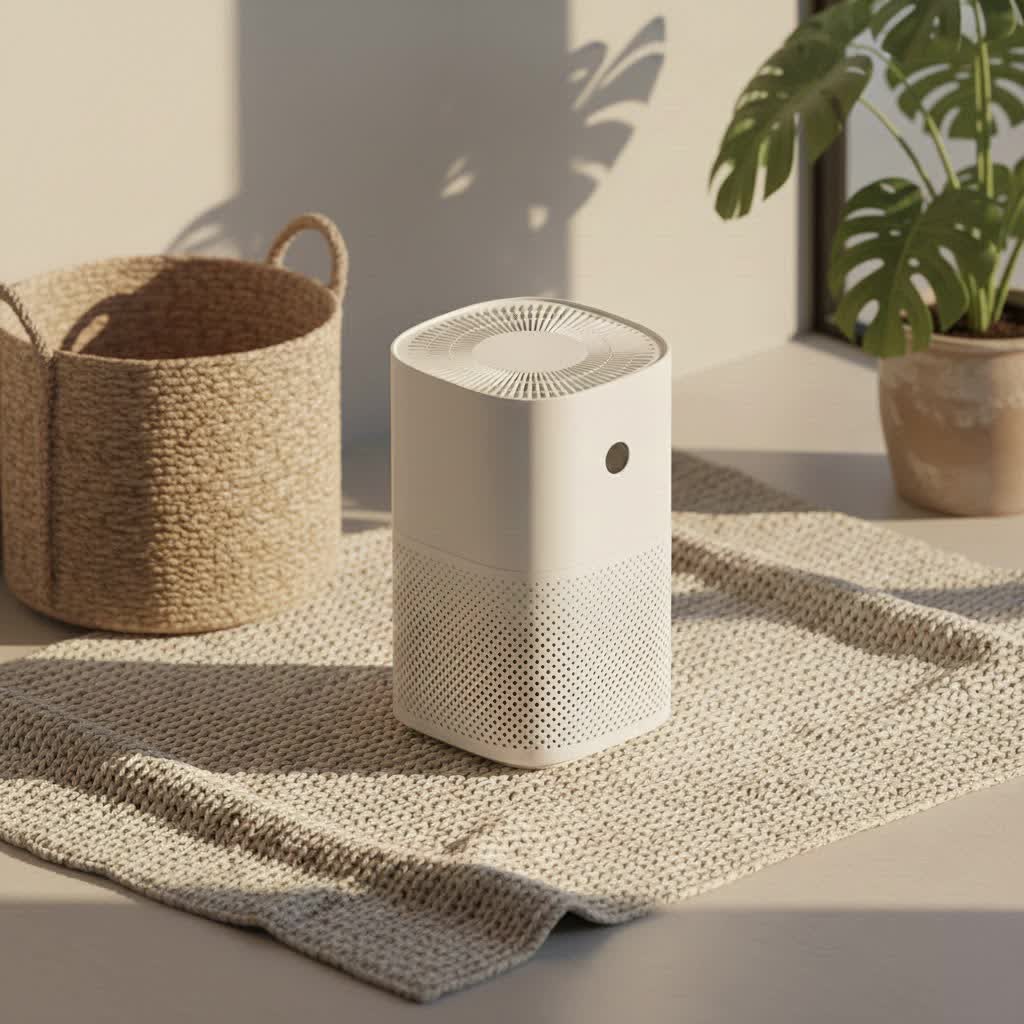
This comprehensive guide will demystify HEPA 13 air purifiers, explaining their medical-grade filtration capabilities, how they compare to other types, and why they are a superior choice for creating a healthier home or office environment. We’ll explore the science behind their effectiveness, provide a detailed buying guide, highlight top models, and offer essential maintenance tips to ensure you get the most out of your investment in clean air.
Why You Need a HEPA 13 Air Purifier
Our homes, often perceived as sanctuaries, can harbor a surprising cocktail of pollutants. From microscopic dust mites and pet dander to volatile organic compounds (VOCs) off-gassing from furniture and cleaning products, indoor air can sometimes be more polluted than the air outside.
Indoor air pollution stems from various sources, including cooking fumes, mold spores, pollen infiltration, tobacco smoke, and even bacteria and viruses. Prolonged exposure to these contaminants can lead to a host of health issues, ranging from mild allergies and asthma flare-ups to more severe respiratory conditions, headaches, fatigue, and difficulty concentrating. A HEPA 13 air purifier actively works to combat these threats.
HEPA 13 air purifiers are designed to effectively remove a wide array of airborne pollutants, including:
- Allergens: Pollen, dust, pet dander, mold spores, and other common triggers for allergic reactions and asthma.
- Particulate Matter: Fine dust (PM2.5 and smaller), smoke particles, and microscopic debris.
- Bacteria and Viruses: Many airborne pathogens travel on particles that HEPA 13 filters can capture, significantly reducing their circulation.
- Odors and VOCs: When combined with activated carbon filters, they neutralize unpleasant smells from cooking, pets, and harmful chemical gases.
The health benefits of using a HEPA 13 air purifier are substantial. For individuals grappling with asthma, allergies, or respiratory syncytial virus (RSV), these devices can lead to fewer symptoms and improved overall health by drastically reducing airborne irritants. Beyond addressing specific conditions, cleaner air contributes to enhanced overall well-being for everyone, fostering better sleep quality, improved concentration, and a more pleasant living environment.
Understanding HEPA 13 Filtration
HEPA stands for High Efficiency Particulate Air, a filtration standard originally developed by the U.S. government during World War II to capture radioactive particles. Today, it represents a benchmark for air filtration efficiency.
A true HEPA filter is an intricate web of densely packed borosilicate glass fibers or synthetic media, arranged in deep, pleated folds. This design creates a maze-like structure that traps particles through several physical mechanisms:
- Interception: Larger particles stick to the filter fibers as they pass by.
- Impaction: Heavier particles crash into the fibers instead of flowing around them.
- Diffusion: Tiny, ultrafine particles move in random, erratic patterns, increasing their chances of colliding with and getting trapped in the filter’s fibers.
- Electrostatic Effect (in some designs): Charged fibers attract particles, enhancing capture.
The “13” in HEPA 13 (or H13) refers to its classification under international standards like the European EN 1822:2009 or ISO 29463. This rating signifies a “medical-grade” level of filtration. Specifically, an H13 HEPA filter is certified to capture at least 99.97% of airborne particles that are 0.3 micrometers (µm) in diameter. This 0.3 µm size is critical because it’s known as the Most Penetrating Particle Size (MPPS) – the particle size that is hardest for filters to capture. If a filter can effectively trap these, it will also efficiently capture both larger and many smaller particles. Some H13 filters can even achieve up to 99.95% efficiency for particles as small as 0.1 microns, including many virus-sized aerosols.
This superior level of filtration makes HEPA 13 air purifiers ideal for environments requiring very clean air, from hospitals and cleanrooms to homes where health is a top priority.
HEPA 13 vs. Other Air Purifier Types
Not all air purifiers offer the same level of protection. Understanding the differences in filtration types is key to making an informed decision.
HEPA Grades Explained
|
Our Picks for the Best Air Purifier in 2026
As an Amazon Associate I earn from qualifying purchases.
|
||
| Num | Product | Action |
|---|---|---|
| 1 | Air Purifiers for Home Pets Covers Up to 1500 Sq Ft,H13 Hepa Filter with Washable Pre-Filter,Pet Hair Dander Smoke Air Cleaner,22 dB Quiet Sleep for Living Room Bedroom Kitchen,P280 (Black) |

|
| 2 | LEVOIT Air Purifiers for Home Large Room Up to 1875 Ft² with Washable Pre-Filter, AHAM VERIFIDE, Air Quality Monitor, HEPA Sleep Mode for Allergies, Pet Hair in Bedroom, Vital 200S-P, White |
|
| 3 | LEVOIT Air Purifiers for Bedroom Home Dorm, AHAM VERIFIED, 3-in-1 Filter Claener with Fragrance Sponge, Portable Filters Smoke, Allergens, Pet Dander, Odor, Dust, Office, Desktop, Core Mini-P, White |
|
| 4 | Air Purifiers for Home with H13 Quiet HEPA Filter, Up to 1076 Ft² for Pet Hair, Odors, Pollen, Smoke, Compact Air Cleaner with 3 Speeds, Timer, Aroma Quiet 360°Intake Filter, White |
|
| 5 | LEVOIT Air Purifier for Home Bedroom Dorm Room, Smart WiFi Alexa Control, AHAM VERIFIDE, 3-in-1 Filter with HEPA Sleep Mode for Allergens, Pollutants, Smoke, Dust, Core 200S-P, White |
|
| 6 | Afloia Air Purifiers for Home Bedroom Large Room Up to 1076 Ft², 3-Stage Filter Cleaner Odor Eliminator, Remove Pets Dust Dander Hair Allergy Mold Pollen Smoke Smell, Quiet 22 dB, 7 Colors Night Light |
|
| 7 | LEVOIT Air Purifier for Home Allergies Pet Hair in Bedroom, Covers Up to 1073 ft² by 56W High Torque Motor, AHAM VERIFIDE, 3-in-1 Filter with HEPA Sleep Mode, Remove Dust Smoke Odor, Core300-P, White |
|
| 8 | Air Purifiers for Home Large Room, Cover Up to 2400 Ft² with True HEPA Filter, Smart Mode, PM2.5 Air Quality Display, 22dB Sleep Mode, Aromatherapy with 2X-Purification & 360°Air Outlet, HAP603, White |
|
| 9 | Air Purifiers for Bedroom, FULMINARE H13 True HEPA Air Filter, Quiet Air Cleaner With Night Light,Portable Small Air Purifier for Home, Office, Living Room |
|
| 10 | KNKA Air Purifier for Home Bedroom Large Room Up to 3,500 Ft², HEPA Air Cleaner with Washable Pre-Filter, AHAM VERIFIDE, AQI Display, ECO Mode, Pet Mode for Pets, Allergies, Dust, Pollen, APH4000 |
|
HEPA filters are categorized by their efficiency, typically ranging from H10 to H14:
| Filter Type | Minimum Efficiency at 0.3 µm (MPPS) | Typical Use |
|---|---|---|
| H10–H12 | 85%–99.5% | General household ventilation, standard residential |
| H13 | 99.95%–99.97% | Medical, cleanrooms, precision manufacturing, premium home use |
| H14 | 99.995% | Pharmaceutical cleanrooms, biosafety labs, highly sensitive environments |
While “True HEPA” generally refers to filters capturing 99.97% of 0.3 µm particles, some manufacturers might label H10-H12 filters as “True HEPA” without specifying the grade. H13 specifically designates a higher, medical-grade efficiency.
Choosing an H13 filter provides a significant upgrade over lower-grade HEPA filters (H10, H11, H12), which might capture common dust and pollen but fall short on ultra-fine particles like certain virus carriers, fine smoke, or insecticides. For most residential and commercial settings, H13 offers an excellent balance of high efficiency and practicality, being more accessible and cost-effective than the ultra-critical H14 grade, which is typically reserved for specialized laboratory or hospital environments.
Complementary Filtration Technologies
Many HEPA 13 air purifiers integrate multiple stages of filtration for comprehensive air purification:
- Activated Carbon Filters: These filters utilize a porous bed of activated carbon to absorb gases, odors, and Volatile Organic Compounds (VOCs) like formaldehyde, benzene, and cooking smells. They are crucial for addressing chemical pollutants that HEPA filters alone cannot trap.
- Pre-filters: Often the first line of defense, these washable foam or mesh filters capture larger particles such as pet hair, lint, and large dust, preventing them from clogging the more delicate HEPA filter and extending its lifespan.
- UV-C Light: Some purifiers include a UV-C light to kill bacteria, viruses, and mold spores that pass through the filters. When considering a UV-C feature, ensure the device is certified ozone-free, as ozone can be an irritant to respiratory systems.
- Ionizers/Electrostatic Precipitators: These technologies create charged ions that attach to particles, making them easier for the filter to capture or causing them to settle out of the air. While effective, some older or poorly designed ionizers can produce ozone as a byproduct. Modern, certified ozone-free versions are safer.
Top HEPA 13 Air Purifiers Today (By Price Segment)
Selecting the best HEPA 13 air purifier depends on your specific needs, room size, and budget. Here are some highly-rated models that consistently offer excellent performance across different price points:
Mid-Range (Typically $300 – $700)
- Levoit EverestAir: This unit is highly praised for its exceptional odor removal capabilities, thanks to its H13 HEPA and activated carbon filtration. It’s designed for larger spaces, boasting a high CADR, and includes a washable pre-filter for extended main filter life. Its compact design for its power makes it a popular choice for open-plan homes.
- Alen BreatheSmart 45i: Offering versatility, the Alen BreatheSmart 45i allows users to choose from different filter options, including specialized ones for odors, smoke, and VOCs in addition to its HEPA filtration. It’s efficient for small to medium rooms and features an intuitive control panel and smart air quality monitoring.
Premium (Typically $700+)
- Dyson Purifier Cool Formaldehyde TP09: Dyson’s sophisticated air purifiers combine H13 HEPA and activated carbon filtration with the ability to detect and destroy formaldehyde. It also functions as a powerful oscillating fan, making it a multi-functional device for smart homes. Its informative app provides detailed insights into air quality.
- Dyson Purifier Big+Quiet Formaldehyde: As its name suggests, this Dyson model is engineered for very large spaces, delivering powerful purification while maintaining remarkably quiet operation. It features H13 HEPA, activated carbon, and a Selective Catalytic Oxidization (SCO) filter to destroy formaldehyde.
When exploring these options, always verify the specific model’s H13 HEPA certification and consider how its features align with your unique indoor air quality concerns.
How to Choose the Right HEPA 13 Air Purifier
Choosing the ideal HEPA 13 air purifier involves more than just picking the most expensive model. It requires a thoughtful assessment of your environment, needs, and the purifier’s specifications.
Match to Room Size and Air Change Rate (CADR & ACH)
The effectiveness of an air purifier largely depends on its ability to clean the air in your specific space.
- Clean Air Delivery Rate (CADR): This metric measures how quickly the purifier removes pollutants (smoke, dust, pollen) from a room. A higher CADR indicates faster cleaning. Ensure the purifier’s CADR is appropriate for your room’s square footage.
- Air Changes per Hour (ACH): This indicates how many times the air in a room is completely filtered each hour. For optimal health benefits, especially for allergy and asthma sufferers, aim for a purifier that provides at least 4.8 air changes per hour (ACH) for your room size. A common rule of thumb is to calculate the room volume (length x width x height) and compare it to the purifier’s airflow.
Identify Your Specific Needs
- Allergies/Asthma: Prioritize H13 HEPA filtration for maximum particle capture.
- Pets: Look for multi-stage filtration with a strong pre-filter for pet hair and an activated carbon filter for dander and odors.
- Smoke/VOCs: Essential to have a robust activated carbon filter alongside the H13 HEPA. Some advanced models also feature specialized formaldehyde-destroying filters.
- Noise Sensitivity: Check the decibel (dB) rating, especially for bedrooms. Many models offer a “sleep mode” for ultra-quiet operation (around 20-35 dB).
Consider Your Budget and Running Costs
Beyond the initial purchase price, factor in the long-term cost of filter replacements. While some HEPA 13 filters last 6-12 months (or even longer for some high-end units), activated carbon filters typically require more frequent replacement (every 3-6 months). Check the cost and availability of replacement filters before committing to a model.
Evaluate Smart Features and User Experience
Modern air purifiers come with a range of features that can enhance convenience and effectiveness:
- Air Quality Sensors and Auto Mode: These detect current air pollution levels and automatically adjust fan speed.
- App and Voice Control: Allows remote management and provides detailed air quality data history.
- Timers and Sleep Modes: Essential for setting schedules and ensuring quiet operation at night.
- Filter Replacement Indicators: Take the guesswork out of maintenance by notifying you when filters need changing.
Verify Certifications
To ensure you’re getting a true H13 HEPA filter, look for compliance with recognized standards like EN 1822:2009 or ISO 29463-1. Be wary of vague terms like “HEPA-type” or “HEPA-like,” which may not meet the strict efficiency standards of a true H13 filter.
Tips for Using and Maintaining Your HEPA 13 Air Purifier
Proper usage and maintenance are crucial to ensure your HEPA 13 air purifier performs optimally and provides clean air for years to come.
Optimal Placement
The placement of your air purifier can significantly impact its efficiency.
- Place the unit in the room where you spend the most time, such as your bedroom or living room.
- Ensure there’s at least 1-2 feet of clearance around the air intake and exhaust vents to allow for unrestricted airflow.
- Avoid placing the purifier in dusty corners, directly against walls, or near sources of pollution like open windows that would quickly overwhelm the filter with outdoor contaminants.
- Keep windows and doors closed while the purifier is running to prevent outdoor pollutants from entering and diluting the cleaned air.
Filter Replacement: Replace, Don’t Clean
This is perhaps the most critical maintenance advice for HEPA 13 filters:
- Do not attempt to vacuum or wash your HEPA 13 filter. Unlike some pre-filters, HEPA 13 filters are composed of a delicate web of microfibers designed to trap microscopic particles permanently. Vacuuming or washing can damage these fibers, creating gaps that reduce the filter’s efficiency and potentially release trapped pollutants back into the air. Water can also promote mold growth within the filter.
- Follow Manufacturer Guidelines: Always adhere to the manufacturer’s recommended replacement schedule. Most HEPA filters typically last 6-12 months under normal use, while activated carbon filters may need replacement every 3-6 months. Modern purifiers often include filter indicator lights that alert you when it’s time for a change.
Pre-filter Maintenance
If your air purifier has a washable foam or mesh pre-filter, clean it regularly (every 2-4 weeks) according to the manufacturer’s instructions. This helps capture larger particles before they reach the main HEPA filter, extending its lifespan and maintaining overall efficiency.
General Care
- Exterior Cleaning: Periodically wipe down the exterior of your air purifier with a soft, dry cloth to prevent dust buildup.
- Consistent Operation: Running your air purifier continuously on a lower setting or in auto mode is often more effective than running it on high for short bursts. Consistent operation maintains steady air quality and reduces sudden particle loads on the filter.
- Control Indoor Pollution: Minimize sources of indoor air pollution, such as smoking, burning candles or incense, and use proper ventilation when cooking, to reduce the workload on your purifier.
Frequently Asked Questions about HEPA 13 Air Purifiers
Is HEPA 13 truly “medical-grade”?
Yes, HEPA 13 filters are widely considered medical-grade due to their high efficiency in capturing 99.97% of particles as small as 0.3 microns, meeting stringent international standards for air filtration. They are used in sensitive environments like hospitals and cleanrooms.
Can I clean my HEPA 13 filter?
No. HEPA 13 filters are designed for replacement, not cleaning. Attempting to vacuum or wash them can damage the delicate filter media, severely reduce their effectiveness, and potentially introduce mold or bacteria. Always consult your purifier’s manual.
How often should I replace the HEPA 13 filter?
Typically, HEPA 13 filters should be replaced every 6 to 12 months, depending on usage (how many hours it runs daily) and the level of air pollution in your environment. Activated carbon filters often require more frequent replacement, usually every 3-6 months. Your air purifier’s filter indicator light will also signal when it’s time.
What size room can a HEPA 13 air purifier cover?
The coverage area varies significantly by model, indicated by its CADR (Clean Air Delivery Rate). Always match the purifier’s CADR to your room’s square footage to ensure effective air cleaning. Many models specify room sizes they are suitable for, often aiming for 4-5 air changes per hour.
Are HEPA 13 air purifiers noisy?
Noise levels vary by model and fan speed. Many HEPA 13 air purifiers feature quiet or “sleep” modes that operate at very low decibel levels (e.g., 20-35 dB), making them suitable for bedrooms. Higher fan speeds will naturally produce more noise.
Conclusion
Investing in a HEPA 13 air purifier is a powerful step towards safeguarding your health and enhancing the quality of your indoor environment. With their superior, medical-grade filtration capabilities, these devices offer a robust defense against allergens, pollutants, and even microscopic pathogens, creating a sanctuary of clean air in your home or office. By understanding their advanced technology, choosing a model tailored to your needs, and adhering to proper maintenance practices, you empower yourself to breathe easier and live healthier.
What steps will you take today to transform your indoor air quality?
