The air inside our homes often harbors more pollutants than the outdoor air, making a significant impact on our health and comfort. If you’ve noticed persistent odors, lingering cooking smells, or a general stuffiness, a carbon filter air purifier might be the solution you need. These advanced devices excel at targeting gaseous pollutants and odors that other filters miss, transforming your indoor environment into a sanctuary of clean, fresh air. This guide will delve into everything you need to know about carbon filter air purifiers, from how they work to choosing the best one for your space.
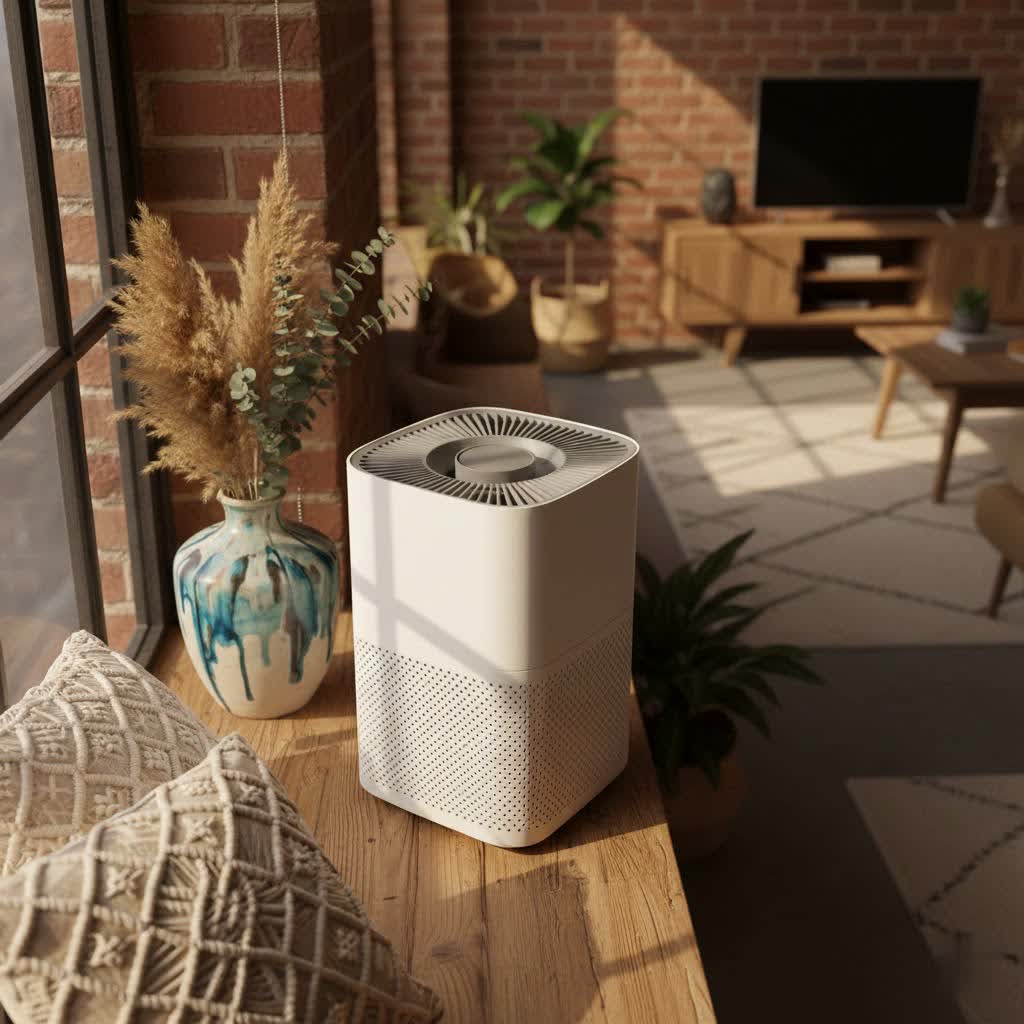
Why You Need an Air Purifier with a Carbon Filter
Indoor air pollution is a silent culprit, often more concentrated and harmful than outdoor pollution due to stagnant air and numerous indoor sources. Volatile Organic Compounds (VOCs), for instance, off-gas from everyday items like paints, cleaning supplies, new furniture, and even scented candles. Pet odors, cooking fumes, and tobacco smoke also contribute to a cocktail of unpleasant and potentially unhealthy airborne gases. These pollutants can trigger allergies, exacerbate respiratory conditions like asthma, cause headaches, and even lead to more serious long-term health issues.
A carbon filter air purifier steps in where traditional particulate filters fall short. While HEPA filters are essential for capturing dust, pollen, and pet dander, they are not designed to remove gases. Carbon filters specifically target and neutralize odors, chemicals, and VOCs, providing a holistic approach to air purification. By actively removing these invisible threats, an air purifier with a robust carbon filter can significantly enhance your indoor air quality, contributing to better sleep, improved concentration, and an overall sense of well-being for everyone in your household.
Understanding Activated Carbon Filters
Activated carbon filters are ingeniously designed to tackle gaseous pollutants through a process called adsorption. Unlike absorption, where molecules are soaked into a material, adsorption involves pollutants chemically bonding to the vast surface area of the activated carbon. This “activation” process, often involving heat or chemicals, creates millions of microscopic pores within the carbon, dramatically increasing its surface area. A single gram of activated carbon can have a surface area equivalent to hundreds of square meters, making it incredibly effective at trapping unwanted molecules.
These filters are typically made from carbon-rich materials like wood, coconut shells, or coal. When polluted air passes through the granular or pelletized activated carbon, gas and odor molecules are drawn into these intricate pores and held fast, preventing them from recirculating back into your living space. This mechanism is particularly effective against a wide range of organic compounds, including those responsible for strong odors and harmful chemicals. The more porous and denser the carbon bed, the greater its capacity to adsorb pollutants, leading to more thorough and effective air purification.
Carbon Filters vs. Other Types: A Synergistic Approach
When considering air purification, you often hear about HEPA filters and activated carbon filters. While both are crucial for clean air, they address different types of pollutants. HEPA (High-Efficiency Particulate Air) filters are the gold standard for capturing airborne particles. They are engineered to trap at least 99.97% of particles as small as 0.3 microns, including dust, pollen, pet dander, mold spores, and fine particulate matter like PM2.5. These are the allergens and irritants you can often see floating in a sunbeam.
On the other hand, activated carbon filters are specifically designed to tackle gaseous pollutants that HEPA filters cannot. This includes odors from cooking, pets, and smoke, as well as harmful Volatile Organic Compounds (VOCs) and other chemical fumes that are too small for HEPA filters to catch. Think of them as complementary forces: HEPA handles the solid particles, while activated carbon eliminates the invisible gases and smells. For comprehensive air purification, especially in a home environment with diverse pollution sources, a multi-stage filtration system that combines both a True HEPA filter and a substantial activated carbon filter is highly recommended. This combination ensures that both particulate and gaseous contaminants are effectively removed, providing the freshest and healthiest indoor air possible.
Comparison of Air Purifier Filter Types
| Filter Type | Primary Target Pollutants | Filtration Mechanism | Key Benefits | Limitations |
|---|---|---|---|---|
| Activated Carbon | Odors, VOCs, Gases, Chemical Fumes | Adsorption | Excellent for smells, chemicals, smoke. | Doesn’t trap particles (dust, allergens). |
| HEPA (True) | Dust, Pollen, Pet Dander, Mold Spores, PM2.5 | Mechanical Capture | Highly effective for allergens and fine particles. | Doesn’t remove gases or odors. |
| Pre-filter | Large Dust, Pet Hair, Lint | Mechanical Capture | Extends life of other filters. | No fine particle or gas removal. |
| UV-C Light | Bacteria, Viruses, Germs | Germicidal Radiation | Disinfects air, kills pathogens. | Doesn’t remove particles, gases, or odors. |
| Ionizer | Tiny Particles | Electrostatic Charge | Helps clump particles for easier capture. | Can produce ozone (a lung irritant) if not certified ozone-free. |
Factors Influencing Carbon Filter Effectiveness
The efficacy of an activated carbon filter isn’t universal; several critical factors determine its performance in an air purifier.
- Amount and Type of Carbon: This is perhaps the most crucial factor. Air purifiers with a higher weight of activated carbon (often measured in pounds) are significantly more effective and last longer. Cheap, thin “carbon-coated” filters offer minimal benefit compared to those with a dense bed of granular activated carbon pellets. Pelletized carbon provides a larger and more consistent surface area for adsorption.
- Pore Structure and Surface Area: The activation process determines the carbon’s pore size and total surface area. Micro-pores (less than 2 nm) are ideal for trapping smaller gas molecules, common in many VOCs. A larger, well-distributed pore structure means more binding sites for pollutants.
- Airflow and Contact Time: For adsorption to occur effectively, air needs sufficient contact time with the carbon. A powerful fan that draws air slowly through a thick carbon filter will be more efficient than one that rushes air through a thin layer.
- Humidity and Temperature: High humidity can reduce the carbon filter’s efficiency, as water molecules can compete with pollutants for adsorption sites. Extreme temperature changes can also affect how well molecules are trapped, and in some cases, can even cause saturated filters to release pollutants back into the air (off-gassing).
- Combination with Other Filters: As discussed, when combined with a pre-filter (to protect against large particles) and a HEPA filter (for fine particulates), the carbon filter can focus solely on its intended job, improving its longevity and effectiveness.
“The true power of a carbon filter lies not just in its presence, but in its quality and quantity. More granular, higher-grade activated carbon means better adsorption and longer-lasting odor and chemical removal.” – Dr. Anya Sharma, Environmental Health Scientist
Top Carbon Filter Air Purifiers: Finding Your Match
The market offers a diverse range of air purifiers with carbon filters, catering to various needs and budgets. While specific model recommendations change frequently, understanding what to look for within different price segments remains consistent.
-
Entry-Level (Under $150):
- Focus: Basic odor and light VOC removal, usually combined with a HEPA filter.
- What to expect: These models often feature a thinner layer of activated carbon, sometimes integrated into a composite filter. They are suitable for smaller rooms or for addressing occasional, mild odors. Look for brands known for reliability and accessible filter replacements.
-
Mid-Range ($150 – $400):
- Focus: More robust odor and VOC elimination, better build quality, and additional features.
- What to expect: Air purifiers in this category typically offer a more substantial granular activated carbon filter, often as a separate filter stage. They are ideal for medium to large rooms, homes with pets, or those looking to mitigate moderate chemical off-gassing. Many mid-range options include smart features like air quality sensors and auto modes. The Winix 5500-2, for example, is frequently cited for its pellet-based carbon filter and strong performance for its price point.
-
High-End (Over $400):
- Focus: Maximum chemical, odor, and VOC removal, premium features, and large room coverage.
- What to expect: These purifiers boast thick, heavy carbon filters (often several pounds of activated carbon) designed for serious chemical abatement and highly effective odor neutralization. They are often chosen for large open-plan areas, homes near industrial zones, or for individuals with chemical sensitivities. Premium features like advanced air quality monitoring, quiet operation, and durable construction are common. Examples include models with 5+ pounds of carbon, offering superior filtration for even the most challenging indoor air environments.
When choosing, always prioritize the weight of the activated carbon, especially if odors and VOCs are your primary concern. A heavier carbon filter indicates a greater capacity for adsorption and longer filter life.
Choosing the Right Carbon Filter Air Purifier for Your Needs
Selecting the perfect air purifier involves more than just picking a popular model. It requires a thoughtful assessment of your specific environment and concerns.
- Room Size (CADR): Air purifiers are rated by their Clean Air Delivery Rate (CADR), which indicates how quickly the purifier can clean a room of a specific size. Match the purifier’s CADR to your room’s square footage. For gaseous pollutants, some brands also provide CADR for specific gases, though this is less common. For optimal performance, aim for an air purifier that can filter the air in your room 4-5 times per hour.
- Specific Needs (Pollutant Type): Are you battling pet odors, cooking smells, smoke, or VOCs from new carpets and furniture? If odors and chemicals are your main issue, prioritize models with a substantial, high-quality granular activated carbon filter. If allergies and dust are paramount, ensure it has a True HEPA filter. The best solutions often combine both.
- Budget: While cost is a factor, remember to consider not just the initial purchase price but also the long-term cost of replacement filters. A cheaper unit with frequent, expensive filter changes might cost more in the long run.
- Additional Features: Modern air purifiers come with a host of convenient features:
- Air Quality Sensors: Automatically adjust fan speed based on detected pollution levels.
- Auto Mode: Maintains optimal air quality without constant manual adjustments.
- Timers and Sleep Mode: For quiet operation during specific hours.
- Filter Replacement Indicators: Take the guesswork out of maintenance.
- Smart Home Connectivity: Control your purifier from your smartphone.
- UV-C Light: Some models include UV-C light for added germ-killing, though its effectiveness is debated and it must be ozone-free.
Consider your lifestyle and home environment. A quiet model is crucial for bedrooms, while a higher CADR unit might be better for an open-plan living area or kitchen.
Maintenance and Care for Your Carbon Filter Air Purifier
To ensure your carbon filter air purifier continues to deliver fresh, clean air, regular maintenance is key. The lifespan of a carbon filter is finite, as its adsorption sites eventually become saturated with pollutants.
- Filter Replacement Frequency: Most manufacturers recommend replacing carbon filters every 3 to 12 months, depending on usage and air quality. Homes with heavy pollution (pets, smokers, frequent cooking) will require more frequent changes. Always refer to your specific model’s manual for precise guidelines.
- Signs of Saturation: You’ll know it’s time to replace your carbon filter when you start noticing the return of the odors it once effectively removed. A musty smell or the reappearance of pet or cooking odors are clear indicators that the carbon is saturated and can no longer adsorb new pollutants. In some cases, a saturated filter can even “off-gas” previously adsorbed pollutants back into the air, making it crucial to replace it promptly.
- Cleaning vs. Replacing: While pre-filters are often washable or easily vacuumed to extend their life, carbon filters cannot be effectively cleaned or “recharged.” Once saturated, they must be replaced. Attempting to clean them will not restore their adsorptive capacity.
- Proper Placement: Place your air purifier in an area where air circulates freely, away from walls or furniture that might obstruct airflow. Positioning it in the room where the most pollution originates (e.g., kitchen, living room with pets) will maximize its effectiveness.
- Keep Vents Clear: Regularly check and clean the air intake and output vents to prevent dust buildup, which can impede airflow and reduce efficiency.
Investing in an air purifier with a carbon filter is an investment in your health and comfort, and proper maintenance ensures you reap the full benefits for years to come.
Common Questions About Carbon Filter Air Purifiers
What exactly is activated carbon, and how does it clean the air?
|
Our Picks for the Best Air Purifier in 2026
As an Amazon Associate I earn from qualifying purchases.
|
||
| Num | Product | Action |
|---|---|---|
| 1 | LEVOIT Air Purifier for Home Bedroom Dorm Room, Smart WiFi Alexa Control, AHAM VERIFIDE, 3-in-1 Filter with HEPA Sleep Mode for Allergens, Pollutants, Smoke, Dust, Core 200S-P, White |

|
| 2 | LEVOIT Air Purifier for Home Allergies Pet Hair in Bedroom, Covers Up to 1073 ft² by 56W High Torque Motor, AHAM VERIFIDE, 3-in-1 Filter with HEPA Sleep Mode, Remove Dust Smoke Odor, Core300-P, White |
|
| 3 | Air Purifiers for Home with H13 Quiet HEPA Filter, Up to 1076 Ft² for Pet Hair, Odors, Pollen, Smoke, Compact Air Cleaner with 3 Speeds, Timer, Aroma Quiet 360°Intake Filter, White |
|
| 4 | LEVOIT Air Purifiers for Home Large Room Up to 1875 Ft² with Washable Pre-Filter, AHAM VERIFIDE, Air Quality Monitor, HEPA Sleep Mode for Allergies, Pet Hair in Bedroom, Vital 200S-P, White |
|
| 5 | Air Purifiers for Home Large Room, Cover Up to 2400 Ft² with True HEPA Filter, Smart Mode, PM2.5 Air Quality Display, 22dB Sleep Mode, Aromatherapy with 2X-Purification & 360°Air Outlet, HAP603, White |
|
| 6 | LEVOIT Air Purifiers for Bedroom Home Dorm, AHAM VERIFIED, 3-in-1 Filter Claener with Fragrance Sponge, Portable Filters Smoke, Allergens, Pet Dander, Odor, Dust, Office, Desktop, Core Mini-P, White |
|
| 7 | Air Purifiers for Home Pets Covers Up to 1500 Sq Ft,H13 Hepa Filter with Washable Pre-Filter,Pet Hair Dander Smoke Air Cleaner,22 dB Quiet Sleep for Living Room Bedroom Kitchen,P280 (Black) |
|
| 8 | KNKA Air Purifier for Home Bedroom Large Room Up to 3,500 Ft², HEPA Air Cleaner with Washable Pre-Filter, AHAM VERIFIDE, AQI Display, ECO Mode, Pet Mode for Pets, Allergies, Dust, Pollen, APH4000 |
|
| 9 | Afloia Air Purifiers for Home Bedroom Large Room Up to 1076 Ft², 3-Stage Filter Cleaner Odor Eliminator, Remove Pets Dust Dander Hair Allergy Mold Pollen Smoke Smell, Quiet 22 dB, 7 Colors Night Light |
|
| 10 | Air Purifiers for Bedroom, FULMINARE H13 True HEPA Air Filter, Quiet Air Cleaner With Night Light,Portable Small Air Purifier for Home, Office, Living Room |
|
Activated carbon is a form of charcoal that has been processed to be extremely porous. It cleans the air through a process called adsorption, where gas and odor molecules chemically bind to the vast surface area within its pores, effectively trapping them and removing them from the air.
Can carbon filters remove all types of pollutants?
No, carbon filters are primarily designed to remove gaseous pollutants like odors, VOCs, and chemical fumes. They are not effective against solid particles such as dust, pollen, pet dander, or mold spores, which are best handled by HEPA filters.
How often should I replace the carbon filter in my air purifier?
Filter replacement frequency varies by model and usage, but typically ranges from every 3 to 12 months. Heavy use or higher levels of indoor pollution will necessitate more frequent changes. Always check your air purifier’s manual for specific recommendations.
Do carbon filters produce ozone?
No, activated carbon filters themselves do not produce ozone. Ozone-producing components are typically ionizers or UV-C lights if they are not specifically designed to be ozone-free. When choosing a multi-stage air purifier, ensure any additional technologies are certified ozone-free.
Is an air purifier with just a carbon filter sufficient for my home?
While a carbon filter is excellent for odors and gases, it’s generally not sufficient on its own for comprehensive air purification. For most homes, a system that combines a True HEPA filter for particles and an activated carbon filter for gases and odors provides the most complete protection against indoor air pollutants.
Are carbon filters effective against wildfire smoke?
Yes, carbon filters are effective against the gaseous components of wildfire smoke, including many VOCs and odors. However, wildfire smoke also contains fine particulate matter (PM2.5), so an air purifier combining a HEPA filter and a carbon filter is crucial for comprehensive protection against both aspects of smoke.
Conclusion
In an age where indoor air quality is a growing concern, a carbon filter air purifier stands out as an indispensable tool for a healthier home. By harnessing the power of activated carbon, these devices effectively eliminate persistent odors, harmful Volatile Organic Compounds, and various chemical pollutants that often go unnoticed by other filtration methods. They work in harmony with HEPA filters to provide a multi-layered defense against both particulate and gaseous contaminants, ensuring that the air you breathe is not just visibly clean, but truly fresh and free from invisible threats.
Choosing the right carbon filter air purifier involves understanding your specific needs, considering factors like room size and the weight of activated carbon, and committing to regular maintenance. By making an informed decision, you can transform your living space into an oasis of clean air, improving your health, comfort, and overall quality of life. Are you ready to take a deep breath and experience the difference a high-quality carbon filter air purifier can make in your home?
