In our modern lives, we often focus on external pollutants, yet the air inside our homes can be two to five times more contaminated than the air outside. From invisible dust mites and pollen to insidious volatile organic compounds (VOCs) and pet dander, a silent cocktail of impurities fills our personal spaces. This reality makes the decision to invest in an air purifier not just a luxury, but a vital step towards safeguarding your health and enhancing your quality of life. This comprehensive guide will navigate you through everything you need to know about air cleaner purifiers, helping you understand their benefits, the different types available, how to choose the perfect model, and essential maintenance tips to ensure continuous clean air.
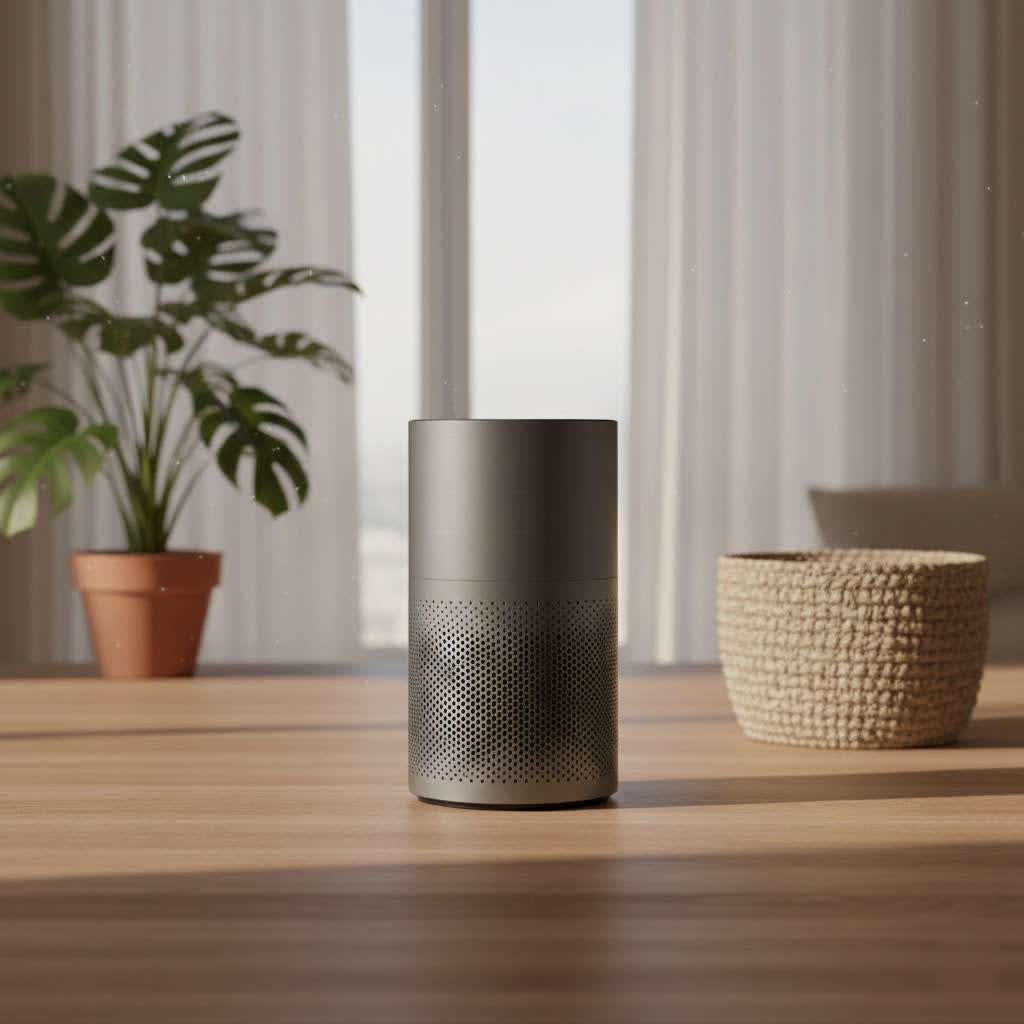
Why You Need an Air Purifier
The air circulating within our homes, offices, and other indoor environments is teeming with contaminants that can profoundly impact our well-being. Understanding these silent threats is the first step toward appreciating the indispensable role of an air purifier.
Indoor Air Pollution: Causes & Health Impacts
Indoor air pollution stems from a multitude of sources. Common allergens like dust mites, pollen, and pet dander are ubiquitous, triggering sneezing, watery eyes, and respiratory distress in sensitive individuals. Everyday activities such as cooking, cleaning, and even burning candles release particulate matter and volatile organic compounds (VOCs). Building materials, furniture, and carpets can off-gas chemicals like formaldehyde. Furthermore, smoke from cigarettes, fireplaces, or even distant wildfires, along with airborne bacteria and viruses, can compromise the air we breathe. Prolonged exposure to these pollutants is linked to a range of health issues, including exacerbated allergies and asthma, respiratory infections, headaches, fatigue, and even long-term cardiovascular and lung diseases.
Health Benefits of Using an Air Purifier
Incorporating an air purifier into your home offers a cascade of health benefits. For those with allergies or asthma, a quality air purifier can significantly reduce triggers, leading to fewer symptoms and a clearer breathing pathway. By filtering out microscopic irritants, these devices contribute to better sleep quality, as your body isn’t working overtime to combat airborne invaders throughout the night. Reduced exposure to pollutants can also lead to increased energy levels and improved cognitive function, as your organs, especially your lungs, absorb oxygen more efficiently. Moreover, air purifiers equipped with activated carbon filters are highly effective at neutralizing unpleasant odors from cooking, pets, and smoke, leaving your home smelling fresh and clean.
Types of Air Purifiers: A Comprehensive Overview
The market offers a variety of air purifier technologies, each designed to tackle specific types of pollutants. Understanding their mechanisms and limitations is key to selecting the most effective system for your needs.
HEPA Air Purifiers
High-Efficiency Particulate Air (HEPA) filters are widely regarded as the gold standard for particle removal. They work by trapping 99.97% of airborne particles as small as 0.3 microns, including dust, pollen, mold spores, pet dander, and many bacteria and viruses. These filters consist of a dense mesh of randomly arranged fibers that capture particles by impact, interception, and diffusion.
- Pros: Exceptionally effective at removing solid airborne particles.
- Cons: Do not remove gases, chemicals, or odors. Filters require periodic replacement, which can be an ongoing cost.
Activated Carbon Air Purifiers
Activated carbon filters excel at removing gaseous pollutants through a process called adsorption. The porous carbon material attracts and traps chemical molecules, odors, and volatile organic compounds (VOCs), such as those from paints, cleaning products, and smoke. They are particularly effective for addressing smells from cooking, pets, and even formaldehyde.
- Pros: Highly effective at neutralizing odors, smoke, and chemical fumes.
- Cons: Not effective for trapping particulate matter (dust, pollen) on their own. Carbon filters become saturated over time and must be replaced.
UV-C Light Purifiers
Ultraviolet-C (UV-C) light purifiers utilize a specific wavelength of UV light to inactivate airborne microorganisms. The UV-C light attacks the DNA of bacteria, viruses, and mold spores, preventing them from reproducing and rendering them harmless. For optimal effectiveness, air must be directly exposed to the UV-C lamp.
- Pros: Effectively kills bacteria, viruses, mold, and other pathogens.
- Cons: Does not remove particulate matter (dust, pollen) or odors. Effectiveness can vary based on exposure time to the light. Some debate exists on the efficacy of UV-C in consumer-grade air purifiers for rapidly moving air.
Ionizing Air Purifiers
Ionizing air purifiers release a stream of negatively charged ions into the air. These ions attach to positively charged airborne particles, like dust, pollen, and smoke, making them heavier. As a result, the particles either fall out of the air onto nearby surfaces or are drawn back into the purifier to be collected on charged plates.
- Pros: Can be effective at clumping small particles and clearing smoke. Relatively inexpensive to operate.
- Cons: May produce ozone, a lung irritant, though many modern units are designed to produce minimal or no ozone. Particles often settle on surfaces, requiring more frequent cleaning of furniture and floors, rather than being permanently removed from the room’s air.
Electrostatic Air Purifiers
Electrostatic precipitators work similarly to ionizers but often incorporate washable, reusable collection plates. Air passes through a charging section where particles receive an electrical charge, then through a collection section where oppositely charged plates attract and capture these particles.
- Pros: Cost-effective in the long run due to washable filters, good for capturing larger particles.
- Cons: Less effective at trapping microscopic particles compared to HEPA filters. Regular cleaning of collection plates is essential to maintain efficiency.
Combination Systems: The Advantage of Multi-Stage Filtration
Many advanced air purifiers utilize a combination of these technologies to provide comprehensive air purification. A common setup includes a pre-filter (for large debris), a HEPA filter (for fine particles), and an activated carbon filter (for odors and chemicals). Some units may also integrate UV-C light for microbial control. These multi-stage systems offer a more robust solution, addressing a broader spectrum of indoor air pollutants.
Comparing Air Purifier Technologies
|
Our Picks for the Best Air Purifier in 2026
As an Amazon Associate I earn from qualifying purchases.
|
||
| Num | Product | Action |
|---|---|---|
| 1 | KNKA Air Purifier for Home Bedroom Large Room Up to 3,500 Ft², HEPA Air Cleaner with Washable Pre-Filter, AHAM VERIFIDE, AQI Display, ECO Mode, Pet Mode for Pets, Allergies, Dust, Pollen, APH4000 |

|
| 2 | LEVOIT Air Purifiers for Home Large Room Up to 1875 Ft² with Washable Pre-Filter, AHAM VERIFIDE, Air Quality Monitor, HEPA Sleep Mode for Allergies, Pet Hair in Bedroom, Vital 200S-P, White |
|
| 3 | LEVOIT Air Purifiers for Bedroom Home Dorm, AHAM VERIFIED, 3-in-1 Filter Claener with Fragrance Sponge, Portable Filters Smoke, Allergens, Pet Dander, Odor, Dust, Office, Desktop, Core Mini-P, White |
|
| 4 | Air Purifiers for Home Pets Covers Up to 1500 Sq Ft,H13 Hepa Filter with Washable Pre-Filter,Pet Hair Dander Smoke Air Cleaner,22 dB Quiet Sleep for Living Room Bedroom Kitchen,P280 (Black) |
|
| 5 | Afloia Air Purifiers for Home Bedroom Large Room Up to 1076 Ft², 3-Stage Filter Cleaner Odor Eliminator, Remove Pets Dust Dander Hair Allergy Mold Pollen Smoke Smell, Quiet 22 dB, 7 Colors Night Light |
|
| 6 | LEVOIT Air Purifier for Home Allergies Pet Hair in Bedroom, Covers Up to 1073 ft² by 56W High Torque Motor, AHAM VERIFIDE, 3-in-1 Filter with HEPA Sleep Mode, Remove Dust Smoke Odor, Core300-P, White |
|
| 7 | LEVOIT Air Purifier for Home Bedroom Dorm Room, Smart WiFi Alexa Control, AHAM VERIFIDE, 3-in-1 Filter with HEPA Sleep Mode for Allergens, Pollutants, Smoke, Dust, Core 200S-P, White |
|
| 8 | Air Purifiers for Bedroom, FULMINARE H13 True HEPA Air Filter, Quiet Air Cleaner With Night Light,Portable Small Air Purifier for Home, Office, Living Room |
|
| 9 | Air Purifiers for Home with H13 Quiet HEPA Filter, Up to 1076 Ft² for Pet Hair, Odors, Pollen, Smoke, Compact Air Cleaner with 3 Speeds, Timer, Aroma Quiet 360°Intake Filter, White |
|
| 10 | Air Purifiers for Home Large Room, Cover Up to 2400 Ft² with True HEPA Filter, Smart Mode, PM2.5 Air Quality Display, 22dB Sleep Mode, Aromatherapy with 2X-Purification & 360°Air Outlet, HAP603, White |
|
| Technology | Primary Contaminants Removed | Ozone Production | Filter Maintenance | Typical Cost (Filters) |
|---|---|---|---|---|
| HEPA | Dust, pollen, pet dander, mold, bacteria | None | Replacement (6-12 months) | Moderate to High |
| Activated Carbon | Odors, smoke, VOCs, chemicals, gases | None | Replacement (3-6 months) | Moderate |
| UV-C Light | Bacteria, viruses, mold, pathogens | None | Lamp replacement (12+ months) | Low to Moderate |
| Ionizer | Small particles, smoke | Possible (low in modern units) | Surface cleaning, some units washable plates | Very Low (no filters or washable) |
| Electrostatic | Dust, lint, larger particles | Possible | Washable plates | Very Low (washable plates) |
| Combination | Particles, odors, chemicals, microorganisms | None (if designed well) | Multiple replacements (varied) | Variable (can be high) |
Top Air Purifiers for Every Budget (2024 Recommendations)
Choosing the best air purifier depends on your specific needs, room size, and budget. Here are some categories and examples to guide your selection in 2024:
Budget-Friendly (Under $200)
For those mindful of costs but unwilling to compromise on cleaner air, several models offer essential filtration for smaller spaces. These purifiers typically focus on a strong HEPA filtration system, sometimes with a basic activated carbon layer.
- Levoit Core 300S Smart Air Purifier: Often praised for its compact design and effective HEPA filtration. It’s a great choice for bedrooms or small offices, offering smart features like app control for its price point.
Mid-Range ($200-$500)
This segment offers a balance of performance, features, and coverage suitable for most homes. You’ll find more advanced filtration stages, better CADR ratings, quieter operation, and additional smart functionalities.
- Blueair Blue Pure 311i Max: A standout for its balanced performance, quiet operation, and energy efficiency. It effectively clears smoke particles and maintains good indoor air quality in medium-sized rooms.
- Coway Airmega AP-1512HH: A popular choice with a four-stage filtration system that includes a True HEPA filter and activated carbon. It features an eco-mode that automatically adjusts fan speed based on air quality, making it very user-friendly.
Premium (Over $500)
These high-end air purifiers are designed for large coverage areas, tackling severe air quality issues, or offering advanced features and superior build quality. They often come with multi-stage filtration, robust motors, and sophisticated sensors.
- Oransi Mod Plus: Known for its efficiency in removing both fine and coarse particles rapidly. It’s built to last and performs exceptionally well in larger rooms, making it a solid investment for comprehensive purification.
- AirDoctor 5500/i: Ideal for massive coverage, suitable for entire homes or very large open-plan spaces. These units boast multi-stage filtration, including an UltraHEPA filter, to capture ultra-fine particles.
- Austin Air HealthMate Plus Air Purifier: A robust option particularly recommended for large spaces and effective smoke removal, including wildfire smoke, thanks to its extensive activated carbon and HEPA filtration.
How to Choose the Right Air Purifier for Your Home
Selecting an air purifier isn’t a one-size-fits-all decision. Consider these crucial factors to ensure you pick the device best suited to your specific environment and needs.
Room Size and CADR/ACH
The effectiveness of an air purifier hinges on its ability to clean the air in a given space. Look for the Clean Air Delivery Rate (CADR), which measures how quickly the purifier filters smoke, pollen, and dust from a room. A common rule of thumb is to choose a purifier with a CADR rating for smoke that is at least two-thirds the square footage of your room. For example, a 150 sq ft room needs a smoke CADR of at least 100. Air Changes per Hour (ACH) indicates how many times the air in a room is completely filtered in an hour. An ACH of 4.8 or higher is generally recommended for optimal air purification, meaning the air is refreshed almost five times hourly.
Specific Needs & Contaminants
Your primary concerns should dictate the type of filtration.
- Allergies/Asthma: Prioritize models with True HEPA filters to capture pollen, dust mites, pet dander, and mold spores.
- Odors/Chemicals (VOCs): Seek out purifiers with substantial activated carbon filters to adsorb smells from cooking, pets, smoke, and chemical off-gassing.
- Viruses/Bacteria: While HEPA filters can trap virus-carrying aerosols, some prefer units with an additional UV-C light for microbial inactivation.
Budget Considerations
Beyond the initial purchase price, factor in the long-term operational costs. This includes the frequency and cost of filter replacements (HEPA filters typically last 6-12 months, carbon filters 3-6 months, pre-filters often washable) and energy consumption. ENERGY STAR certified models are more energy-efficient, saving on electricity bills over time.
Noise Levels
Air purifiers use fans, so they will generate some noise. Noise levels are measured in decibels (dBA). If you plan to use the purifier in a bedroom or office, a quieter model (typically under 50 dBA on higher settings, much lower on sleep modes) will be preferable. Many manufacturers provide noise specifications, often for different fan speeds.
Smart Features & Certifications
Modern air purifiers come with a host of convenient features:
- Wi-Fi connectivity and app control: Allows you to monitor air quality, adjust settings, and set schedules remotely.
- Auto mode: Sensors detect air quality and automatically adjust fan speed.
- Filter replacement indicators: Alert you when it’s time to change filters.
- Timers: For scheduled operation.
Look for certifications like AHAM Verifide (confirms CADR ratings and room size suitability), ENERGY STAR (ensures energy efficiency), and CARB (California Air Resources Board) certification (guarantees safe ozone emissions for ionizers).
Essential Tips for Air Purifier Usage and Maintenance
To ensure your air purifier operates at peak efficiency and provides the cleanest air possible, proper usage and regular maintenance are crucial.
Optimal Placement
Place your air purifier in the room where you spend the most time, such as your bedroom or living area. Position it in an open space, at least a few feet away from walls, furniture, and curtains, to allow for unobstructed airflow. Avoid placing it in corners or against large objects that could hinder its ability to draw in and release air effectively. Keeping windows and doors closed when the purifier is running will maximize its efficiency by preventing new pollutants from entering the space.
Filter Care: Cleaning and Replacement Schedules
Filters are the heart of your air purifier, and their proper care is paramount.
- Pre-filters: Many units include a washable pre-filter designed to capture larger particles like dust and pet hair, protecting the more delicate HEPA filter. Check and clean these every 2-4 weeks by rinsing them under cool water or vacuuming them. Ensure they are completely dry before reinstallation.
- HEPA filters: These typically need replacement every 6-12 months, depending on usage and air quality. While some advanced models have indicators, for others, you might need to check your user manual or manually inspect the filter for heavy discoloration or reduced airflow.
- Activated carbon filters: These also require replacement, usually every 3-6 months. A tell-tale sign that your carbon filter needs changing is a lingering or returning odor that the purifier previously eliminated.
Always refer to your specific model’s user manual for exact filter types, replacement schedules, and cleaning instructions. Ignoring filter maintenance can lead to reduced purification efficiency, increased energy consumption, and potentially re-releasing trapped pollutants into your air.
General Cleaning
Beyond filters, the exterior and air vents of your purifier also need attention. Use a soft, damp cloth to wipe down the outer surfaces every 1-2 months to prevent dust accumulation. Ensure the air intake and exhaust vents are clear of any debris or blockages. Always unplug the device before performing any cleaning or maintenance to prevent electric shock. Avoid using harsh chemicals or abrasive cleaners, as they can damage the unit’s components.
Continuous Operation
For the best results, most air quality experts recommend running your air purifier continuously, especially in the rooms you frequent. Modern air purifiers are designed to be energy-efficient, particularly on lower settings. Many come with an “auto mode” that uses sensors to detect air quality and adjust fan speed accordingly, optimizing both purification and energy use. Consistent operation ensures a steady supply of clean air, effectively managing pollutant levels throughout the day and night.
Frequently Asked Questions About Air Purifiers
What’s the difference between an air cleaner and an air purifier?
The terms “air cleaner,” “air scrubber,” and “air purifier” are often used interchangeably to describe devices that remove particles and some gases from the air. There is generally no functional difference between them.
Can air purifiers remove viruses like COVID-19?
Yes, air purifiers equipped with True HEPA filters (rated to capture 99.97% of particles 0.3 microns) can effectively trap small airborne particles, including the aerosols that carry respiratory viruses like SARS-CoV-2 (which causes COVID-19). While the naked virus is smaller than 0.3 microns, it travels within larger respiratory droplets and aerosols that HEPA filters can capture.
Do air purifiers help with allergies and asthma?
Absolutely. Air purifiers are highly beneficial for individuals suffering from allergies and asthma. They work by filtering out airborne allergens such as pollen, dust, pet dander, and mold spores, which are common triggers for these conditions. While they cannot cure allergies or asthma, they significantly reduce symptoms and act as a preventative measure by creating a cleaner indoor environment.
How long should I run my air purifier each day?
For optimal air quality, it is generally recommended to run your air purifier continuously. Most modern air purifiers are designed for long-term operation and have energy-efficient settings, including quiet “sleep modes” for nighttime use. Consistent operation ensures that pollutant levels remain low throughout the day.
Can one air purifier cover my entire home?
Typically, air purifiers are designed to effectively purify the air in a single room or a specific square footage, as indicated by their CADR rating. While large-capacity purifiers can cover expansive open-plan areas, it’s often more effective to use multiple units strategically placed in frequently used rooms or to invest in a whole-house HVAC air purification system for comprehensive coverage.
Conclusion
The pursuit of cleaner indoor air is a worthy endeavor that directly impacts our health, comfort, and overall well-being. Air purifiers stand as powerful allies in this quest, diligently working to strip our breathing spaces of unseen threats, from common allergens to noxious chemicals and airborne pathogens. By understanding the diverse filtration technologies, carefully assessing your specific needs and room size, and committing to simple maintenance routines, you can make an informed choice that will transform your indoor environment. Investing in a quality air purifier is investing in a healthier life, ensuring that every breath you take is a clean one.
Are you ready to experience the profound difference that truly clean air can make in your home?
