The air inside our homes, often perceived as a sanctuary, can surprisingly be 2 to 5 times more polluted than outdoor air. This unseen threat, coupled with fluctuating humidity levels, can significantly impact our health and comfort. From irritating allergens and airborne pollutants to the discomfort of dry skin and respiratory issues, addressing indoor air quality and humidity is crucial for creating a truly healthy living environment. This comprehensive guide will explore the synergistic benefits of air purifiers and humidifiers, whether as individual units or integrated combos, helping you make informed decisions for your home.
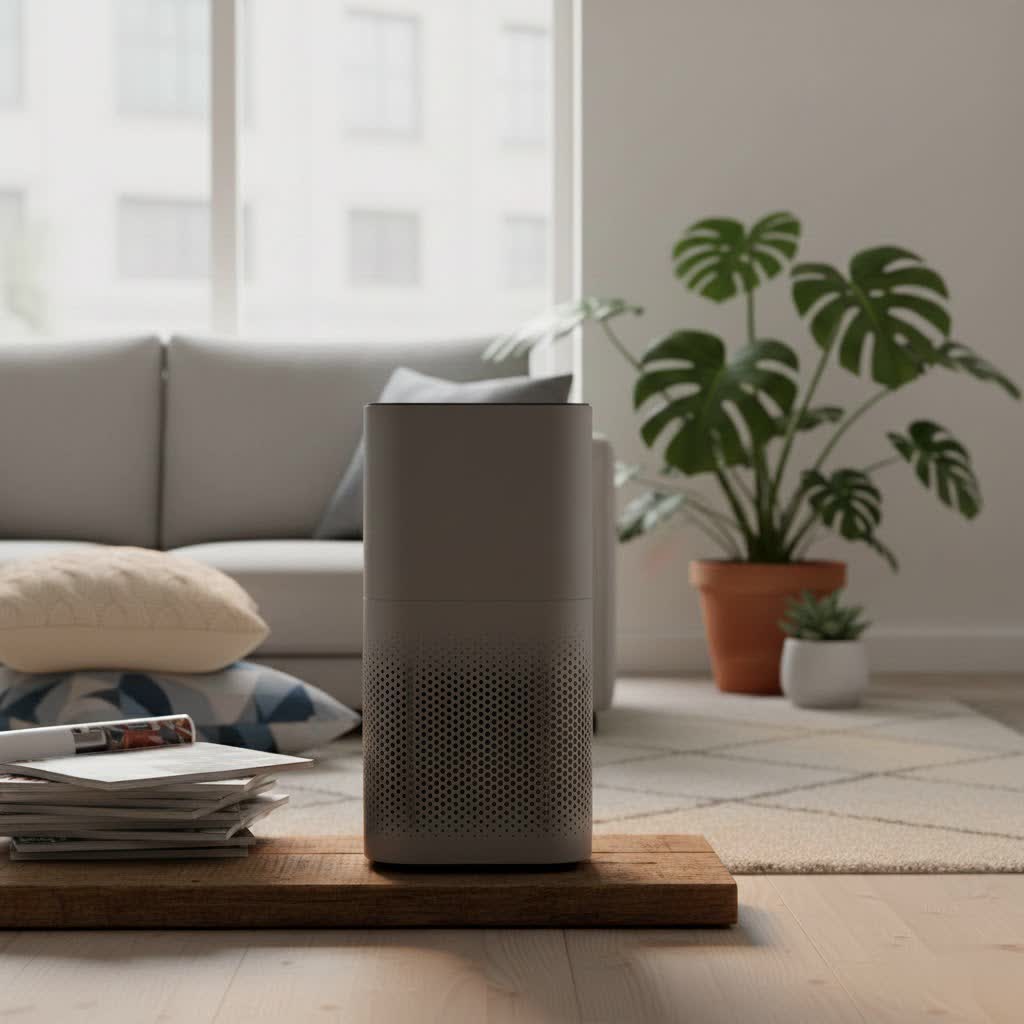
Why You Need an Air Purifier and a Humidifier
Indoor air quality and humidity are two critical, yet distinct, aspects of your home environment that profoundly affect well-being. Modern homes, often tightly sealed for energy efficiency, can trap a host of pollutants, leading to a build-up of harmful particles and gases. Simultaneously, heating and cooling systems, or simply natural climate variations, can lead to excessively dry air, particularly during colder months.
Indoor air pollution stems from various sources, including dust mites, pet dander, pollen, mold spores, volatile organic compounds (VOCs) from cleaning products and furniture, and even cooking fumes or smoke. Exposure to these pollutants can trigger allergies, exacerbate asthma, lead to respiratory infections, and contribute to long-term health problems. A dedicated air purifier actively removes these microscopic threats, recirculating cleaner air.
Conversely, excessively dry air can cause a range of uncomfortable symptoms. You might experience dry, itchy skin, chapped lips, irritated nasal passages, a sore throat, and static electricity. For some, dry air can worsen conditions like eczema, psoriasis, and certain respiratory ailments, making you more susceptible to colds and flu. A humidifier introduces essential moisture back into the air, alleviating these symptoms and promoting a more comfortable environment. By addressing both purification and humidification, you tackle two major environmental challenges simultaneously, fostering a home that supports overall health.
Understanding Air Purifiers
Air purifiers are essential devices designed to remove airborne contaminants and improve indoor air quality. They function by drawing in ambient air, passing it through a series of filters, and then releasing cleaned air back into the room. This process significantly reduces the presence of harmful particles and gases that can impact health.
The core of an air purifier’s effectiveness lies in its filtration system. The most crucial component is often a True HEPA filter, which stands for High-Efficiency Particulate Air. These filters are capable of capturing 99.97% of airborne particles as small as 0.3 microns, including common allergens like dust, pollen, pet dander, and mold spores. Many purifiers also include an activated carbon filter, which is highly effective at absorbing odors, smoke, and volatile organic compounds (VOCs) that HEPA filters cannot trap. Additionally, a pre-filter is typically present to capture larger particles like lint and pet fur, extending the lifespan of the more delicate HEPA and carbon filters. Some advanced models may also incorporate UV-C light to kill bacteria and viruses or ionizers, though ozone production can be a concern with some ionizers. The goal is to continuously circulate and clean the air, providing relief for allergy sufferers, those with respiratory conditions, or anyone seeking a healthier indoor environment.
Understanding Humidifiers
Humidifiers serve a distinct purpose: they add moisture to the air, counteracting dryness that can be detrimental to health and comfort. By maintaining optimal humidity levels, typically between 40-60%, these devices can alleviate a variety of symptoms associated with dry indoor air.
There are two primary types of humidifiers commonly found in homes. Evaporative humidifiers use a fan to blow air through a wet wick filter, naturally evaporating water into an invisible, fine mist. This method is often preferred because it avoids over-humidification and typically does not produce “white dust” – mineral deposits that can be left behind by other types. In contrast, ultrasonic humidifiers use high-frequency vibrations to create a fine, visible mist. While often quieter, they can sometimes disperse minerals from tap water into the air, creating the aforementioned white dust that settles on surfaces and can even be inhaled if not managed. Humidifiers are particularly beneficial during dry winter months when heating systems strip moisture from the air, or in naturally arid climates. They can help soothe dry skin, chapped lips, irritated sinuses, and a sore throat, providing relief for those suffering from colds, flu, or certain respiratory conditions. However, proper maintenance is crucial: regular cleaning of the water tank and components prevents the growth of mold and bacteria, and using distilled water in ultrasonic units can significantly reduce mineral dust.
Air Purifier and Humidifier Combo Units: The 2-in-1 Solution
For many homeowners, the appeal of a single device that tackles both air purification and humidification is undeniable. These combo units, often referred to as “2-in-1” or “hybrid” systems, combine the functions of separate appliances into one streamlined design. They offer a convenient solution for improving overall indoor air quality and comfort, especially in spaces where managing multiple devices is impractical.
One of the most significant advantages of combo units is their space efficiency. By merging two functions, they reduce clutter and free up valuable floor or counter space, making them ideal for smaller rooms or minimalist aesthetics. This integration also translates to convenience, as users only need to operate and maintain one device, rather than two. This often means a single control panel, simplified filter replacement procedures, and less frequent monitoring. In some cases, a combo unit can also be more cost-effective upfront compared to purchasing high-quality separate units, and potentially save on energy bills by running one motor instead of two. These units are particularly well-suited for individuals looking for a holistic approach to home air quality, addressing both particulate pollution and dry air issues simultaneously with minimal effort.
However, combo units do come with potential drawbacks. While convenient, some models may involve a compromise in performance compared to dedicated, high-end individual purifiers or humidifiers. The integrated design might mean less powerful filtration or less precise humidity control. Limited individual control is another consideration; you may not be able to operate the purification and humidification functions entirely independently or with the same granular settings offered by separate machines. Furthermore, if the unit experiences a malfunction, you risk losing both functionalities at once. It’s also worth noting the type of humidification used; evaporative methods are generally preferred in combos to avoid the “white dust” often associated with ultrasonic humidifiers. Ultimately, a combo unit is an excellent choice if space, convenience, and a balanced approach to air quality and humidity are your top priorities, provided you select a model that doesn’t significantly sacrifice performance in either area.
Using Separate Air Purifiers and Humidifiers Together
A common question among those looking to improve their indoor environment is whether an air purifier and a humidifier can effectively operate simultaneously in the same room. The good news is, for the most part, yes, they can coexist and even complement each other to provide comprehensive air treatment. Many experts agree that these devices perform distinct functions that generally do not interfere with one another.
An air purifier focuses on removing solid particles like dust, pollen, pet dander, and smoke from the air. Humidifiers, on the other hand, add water vapor. The key reason they don’t “cancel each other out” is the significant difference in size between airborne pollutants and water molecules. Air purifier filters, even True HEPA filters designed for microscopic particles, are engineered to capture solid matter, not gaseous water molecules, which are far too small to be trapped. Therefore, your air purifier won’t filter out the beneficial moisture that your humidifier is introducing.
For optimal use of separate units, placement is key. Ideally, position your air purifier a few feet away from your humidifier to allow each device to work efficiently without immediately impacting the other’s output. While they can run concurrently, it’s crucial to maintain your humidifier diligently. A dirty humidifier can become a breeding ground for mold and bacteria, potentially releasing these contaminants into the air along with moisture. Using distilled water can also prevent the emission of mineral “white dust,” which your air purifier would then have to work to remove. By taking these simple steps, you can leverage the full benefits of both devices, ensuring your home enjoys both clean, pollutant-free air and comfortable, healthy humidity levels. Choosing separate units often allows for maximum performance and customization for each specific need, making it ideal if you prioritize top-tier capabilities in both purification and humidification and have sufficient space.
Key Factors to Consider When Buying
Choosing the right air purifier and humidifier solution, whether combined or separate, requires careful consideration of several factors tailored to your specific needs and living space. Making an informed decision ensures you invest in a system that delivers maximum benefits.
First, room size and CADR (Clean Air Delivery Rate) are paramount. Air purifiers have a CADR rating indicating how effectively they remove smoke, dust, and pollen from a given area. Match this with your room’s square footage to ensure adequate air changes per hour (ACH). Similarly, humidifiers are rated for the square footage they can effectively humidify. For combo units, ensure the device can adequately cover your intended space for both functions.
Next, evaluate the filtration technology in air purifiers. A True HEPA filter is non-negotiable for capturing allergens and fine particles. An activated carbon filter is vital for removing odors and volatile organic compounds (VOCs). Some units include additional features like UV-C light, which can kill germs, or ionizers (use caution with ionizers that produce ozone). For humidifiers, consider the humidification method. Evaporative models are generally preferred in combo units and homes with purifiers as they produce a fine, invisible mist and typically don’t leave white dust. Ultrasonic models, while quieter, can produce mineral dust if not used with distilled water.
Water tank capacity and ease of refill/cleaning are practical considerations for humidifiers. A larger tank means less frequent refills, while an easily accessible and cleanable tank is crucial for preventing mold and bacterial growth. Noise level is another important factor, especially if the unit will be in a bedroom or living area; look for models with quiet operation settings. Finally, assess smart features and controls, such as auto modes, air quality sensors, humidistats, timers, remote controls, or app connectivity, which enhance user convenience and efficiency. Don’t forget maintenance costs, including the frequency and price of replacement filters or water panels, as these contribute to the long-term running expense of your chosen system.
Top Air Purifier and Humidifier Combos of 2024
The market for air purifier and humidifier combos has expanded, offering a variety of options to suit different needs and budgets. While specific product recommendations can become outdated quickly, understanding the general categories and features of leading models in 2024 can guide your selection.
In the premium segment, brands like Dyson often lead with highly integrated, technologically advanced units. These models typically feature robust True HEPA and activated carbon filtration, precise humidity control, smart sensors for real-time air quality monitoring, and often additional functions like cooling or heating. They are designed for large rooms and offer exceptional performance, albeit at a higher price point. Features to look for include formaldehyde sensing and destruction, and quiet operation at various fan speeds.
For the mid-range market, several brands offer well-balanced performance. These units often boast multi-stage HEPA filtration, effective evaporative humidification, and smart features like auto-mode, sleep settings, and digital displays. They aim to provide a good balance of efficacy for both air purification and humidification, suitable for average-sized living areas and bedrooms without the luxury price tag. Examples might include models from Sharp with Plasmacluster Ion technology or Brondell, focusing on allergy relief.
In the budget-friendly category, options are available that provide essential purification and humidification without breaking the bank. These units are usually more compact, ideal for small rooms or personal spaces. While they may have fewer advanced features or smaller water tank capacities, they still offer multi-stage HEPA filtration and basic humidification. When considering budget options, prioritize those with readily available and affordable replacement filters, and ensure they still meet minimum CADR and humidification coverage for your intended space. Afloia is a brand that has been noted for offering effective budget-friendly combos.
Regardless of the price point, look for units that specify True HEPA filtration, a decent CADR rating for purification, an evaporative humidification method to avoid white dust, and a water tank capacity that minimizes frequent refills. Checking user reviews for comments on noise levels, ease of maintenance, and actual long-term performance can also provide valuable insights.
Tips for Maximizing Effectiveness and Longevity
To ensure your air purifier and humidifier, whether separate or combined, perform optimally and last for years, proper usage and maintenance are essential. Consistent care not only guarantees the best air quality and comfort but also protects your investment.
Firstly, optimal placement is crucial. Position your unit in a central location within the room, away from walls, furniture, or curtains that might obstruct airflow. For humidifiers, avoid placing them directly on wood furniture without a protective mat to prevent moisture damage, and keep them a safe distance from electronics. If using separate units, aim to have them a few feet apart to allow each to function independently without immediate interference.
Regular cleaning and filter replacement are paramount for both types of devices. For air purifiers, follow the manufacturer’s recommendations for changing HEPA and activated carbon filters; this is typically every 6-12 months, though it can vary based on air quality and usage. Pre-filters should be cleaned (vacuumed or washed) more frequently, often monthly. For humidifiers, daily rinsing of the water tank and weekly deep cleaning with vinegar or a mild bleach solution is vital to prevent the build-up of mineral deposits, mold, and bacteria. This is especially important as a dirty humidifier can release contaminants into your air.
Consider using distilled water in your humidifier, particularly for ultrasonic models. This significantly reduces the release of mineral “white dust” into the air, which can otherwise settle on surfaces and potentially be inhaled. Finally, monitor humidity levels using a hygrometer. Aim to keep indoor humidity between 40-60%. Excessive humidity (above 60%) can encourage mold growth, while too low (below 30%) can lead to discomfort. Many modern units include built-in humidistats for automatic control. Adhering to these simple tips will dramatically enhance the effectiveness and lifespan of your air purification and humidification systems.
Conclusion
Creating a truly comfortable and healthy home environment involves proactively managing both indoor air quality and humidity. While air purifiers diligently remove pollutants and allergens, humidifiers provide essential moisture, alleviating the discomforts of dry air. Whether you opt for the streamlined convenience of an all-in-one air purifier and humidifier combo or prefer the specialized performance of separate units, the goal remains the same: to breathe easier and live better.
Making the right choice hinges on understanding your specific needs—room size, prevalent allergens, humidity concerns, and budget. By carefully considering factors like filtration technology, humidification method, and maintenance requirements, you can select a system that best serves your home. Prioritizing regular cleaning and timely filter replacements will ensure your chosen devices deliver consistent, high-quality performance for years to come. Invest in your home’s air, and in turn, invest in your health. What steps will you take today to transform your indoor air quality?
Frequently Asked Questions
Can an air purifier remove humidity from the air?
|
Our Picks for the Best Air Purifier in 2026
As an Amazon Associate I earn from qualifying purchases.
|
||
| Num | Product | Action |
|---|---|---|
| 1 | KNKA Air Purifier for Home Bedroom Large Room Up to 3,500 Ft², HEPA Air Cleaner with Washable Pre-Filter, AHAM VERIFIDE, AQI Display, ECO Mode, Pet Mode for Pets, Allergies, Dust, Pollen, APH4000 |

|
| 2 | LEVOIT Air Purifiers for Home Large Room Up to 1875 Ft² with Washable Pre-Filter, AHAM VERIFIDE, Air Quality Monitor, HEPA Sleep Mode for Allergies, Pet Hair in Bedroom, Vital 200S-P, White |
|
| 3 | LEVOIT Air Purifier for Home Allergies Pet Hair in Bedroom, Covers Up to 1073 ft² by 56W High Torque Motor, AHAM VERIFIDE, 3-in-1 Filter with HEPA Sleep Mode, Remove Dust Smoke Odor, Core300-P, White |
|
| 4 | Air Purifiers for Home Large Room, Cover Up to 2400 Ft² with True HEPA Filter, Smart Mode, PM2.5 Air Quality Display, 22dB Sleep Mode, Aromatherapy with 2X-Purification & 360°Air Outlet, HAP603, White |
|
| 5 | Air Purifiers for Home Pets Covers Up to 1500 Sq Ft,H13 Hepa Filter with Washable Pre-Filter,Pet Hair Dander Smoke Air Cleaner,22 dB Quiet Sleep for Living Room Bedroom Kitchen,P280 (Black) |
|
| 6 | Air Purifiers for Home with H13 Quiet HEPA Filter, Up to 1076 Ft² for Pet Hair, Odors, Pollen, Smoke, Compact Air Cleaner with 3 Speeds, Timer, Aroma Quiet 360°Intake Filter, White |
|
| 7 | Afloia Air Purifiers for Home Bedroom Large Room Up to 1076 Ft², 3-Stage Filter Cleaner Odor Eliminator, Remove Pets Dust Dander Hair Allergy Mold Pollen Smoke Smell, Quiet 22 dB, 7 Colors Night Light |
|
| 8 | LEVOIT Air Purifier for Home Bedroom Dorm Room, Smart WiFi Alexa Control, AHAM VERIFIDE, 3-in-1 Filter with HEPA Sleep Mode for Allergens, Pollutants, Smoke, Dust, Core 200S-P, White |
|
| 9 | Air Purifiers for Bedroom, FULMINARE H13 True HEPA Air Filter, Quiet Air Cleaner With Night Light,Portable Small Air Purifier for Home, Office, Living Room |
|
| 10 | LEVOIT Air Purifiers for Bedroom Home Dorm, AHAM VERIFIED, 3-in-1 Filter Claener with Fragrance Sponge, Portable Filters Smoke, Allergens, Pet Dander, Odor, Dust, Office, Desktop, Core Mini-P, White |
|
No, air purifiers are designed to filter solid particles (like dust and pollen) and sometimes gases (like VOCs), not water vapor. Water molecules are significantly smaller than the particles a HEPA filter can capture, so air purifiers do not remove humidity.
Do air purifier and humidifier combo units work as well as separate ones?
Combo units offer convenience and save space, but their performance can sometimes be a compromise compared to high-end dedicated air purifiers or humidifiers. Dedicated units often provide more powerful filtration, larger capacities, or more precise control for each function.
How often should I clean my humidifier?
It’s recommended to rinse the humidifier’s water tank daily and perform a more thorough cleaning with vinegar or a mild bleach solution at least once a week. This prevents mineral build-up and the growth of mold and bacteria.
What is the ideal indoor humidity level?
The ideal indoor humidity level is generally considered to be between 40% and 60%. This range is comfortable for most people and helps prevent issues associated with both overly dry and overly humid air, such as static electricity, dry skin, and mold growth.
