Breathing clean air indoors is no longer a luxury but a necessity in our modern world. As our homes become more sealed and the air outside carries more pollutants, the quality of the air we breathe indoors significantly impacts our health and well-being. A HEPA room air purifier stands out as a powerful solution, offering a robust defense against unseen airborne threats. This comprehensive guide will navigate you through everything you need to know about HEPA air purifiers, from understanding their technology to choosing and maintaining the perfect model for your home.
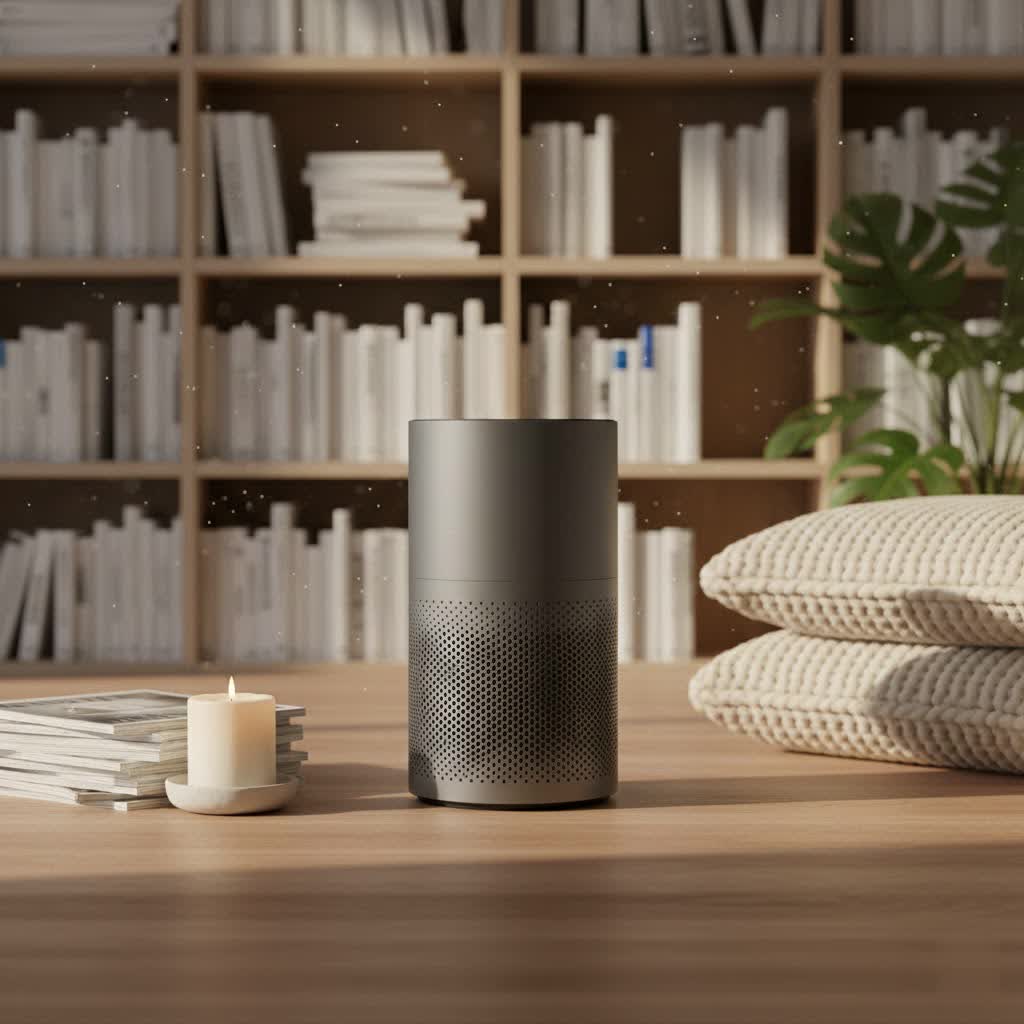
Why You Need a HEPA Room Air Purifier
Our homes, often perceived as safe havens, can harbor a surprising array of pollutants that negatively affect our health. Indoor air pollution can stem from various sources, including cooking, cleaning products, pet dander, dust mites, mold spores, and even outdoor smog seeping in. These microscopic particles can trigger allergies, exacerbate asthma, and contribute to long-term respiratory and cardiovascular issues.
HEPA (High-Efficiency Particulate Air) air purifiers are specifically designed to tackle these challenges. They work by drawing in ambient air and passing it through a dense, intricate filter network that physically traps particulate matter. This process significantly reduces the concentration of harmful airborne contaminants, making your indoor environment noticeably cleaner and healthier. The benefits extend beyond simply removing dust; these purifiers actively contribute to a space where you can breathe easier, sleep better, and experience fewer allergy symptoms.
Understanding HEPA Technology
At the core of a HEPA air purifier’s effectiveness lies its specialized filtration technology. HEPA is a standard defined by the U.S. Department of Energy, requiring a filter to capture 99.97% of airborne particles with a size of 0.3 microns. This specific size is considered the “most penetrating particle size” (MPPS), meaning particles both larger and smaller than 0.3 microns are captured with even higher efficiency.
A HEPA filter is composed of a tangled web of microscopic fibers, typically made from fiberglass or polypropylene, pressed into a dense sheet. As air is forced through this fibrous maze, particles are trapped through a combination of three mechanisms:
- Impaction: Larger particles directly hit the fibers and stick.
- Interception: Medium-sized particles follow the airflow but eventually graze a fiber and are captured.
- Diffusion: Very small, ultrafine particles move erratically (Brownian motion) and are more likely to collide with fibers and become trapped.
It’s crucial to distinguish between “True HEPA” filters, which meet the stringent 99.97% efficiency standard at 0.3 microns, and “HEPA-type” or “HEPA-like” filters. The latter may not achieve the same filtration efficacy, offering a lesser degree of air purification. For optimal performance and certified air cleaning, always look for products explicitly stating “True HEPA” or “H13 HEPA” (which is even more efficient, capturing 99.95% of particles down to 0.21 microns).
Beyond HEPA: Other Air Purification Technologies
While HEPA filters excel at capturing particulate matter, indoor air pollution isn’t limited to solid particles. Many modern air purifiers integrate additional technologies to provide a more comprehensive purification solution.
- Activated Carbon Filters: These filters are made from highly porous carbon that has been treated with oxygen. This process creates millions of tiny pores, significantly increasing the surface area available to chemically adsorb gases, odors, and volatile organic compounds (VOCs). Activated carbon is indispensable for removing cooking smells, pet odors, cigarette smoke, and harmful chemicals emitted from paints, cleaning supplies, and new furniture. It’s often paired with a HEPA filter, with the HEPA handling particles and the carbon tackling gases and smells.
- UV-C Light (Ultraviolet-C): Some air purifiers incorporate UV-C lamps to sterilize air. UV-C light has germicidal properties, capable of inactivating airborne bacteria, viruses, and mold spores by disrupting their DNA. While effective against microorganisms, UV-C light alone does not filter out particulate matter or gases, making it a complementary technology rather than a standalone solution.
- Ionizers and Electrostatic Precipitators: These technologies work by releasing charged ions into the air or using charged plates to attract and collect airborne particles. The charged particles then either settle on nearby surfaces or are drawn to collection plates within the unit. A significant concern with many ionizers and electrostatic precipitators is the potential to produce ozone as a byproduct. Ozone, even at low levels, is a lung irritant and a known air pollutant, making these technologies controversial and generally not recommended as primary purification methods, especially for individuals with respiratory sensitivities. Always check for CARB certification and “ozone-free” claims if considering such a feature.
Comparison Table: Air Purifier Technologies
Understanding the distinct roles of various filtration methods is key to choosing an effective air purification system.
| Feature | HEPA Filter | Activated Carbon Filter | UV-C Light | Ionizer/Electrostatic Precipitator |
|---|---|---|---|---|
| Primary Function | Captures solid particles (dust, pollen, dander) | Adsorbs gases, odors, VOCs, chemicals | Inactivates bacteria, viruses, mold spores | Charges particles to fall out of air |
| Removes | Dust, pollen, pet dander, mold, bacteria, some viruses | Smoke, cooking odors, pet smells, chemical fumes, VOCs | Bacteria, viruses, mold | Dust, pollen (by settling on surfaces) |
| Doesn’t Remove | Gases, odors, VOCs (alone) | Particles (dust, pollen) | Particles, gases, odors | Effectively remove particles (relocates them) |
| Ozone Production | No | No | Potentially (if poorly designed) | Potentially (common byproduct) |
| Maintenance | Replace regularly (not washable) | Replace regularly | Replace bulb periodically | Clean collection plates regularly (filter-free) |
| Best For | Allergies, asthma, general particle removal | Smoke, cooking, pets, chemical sensitivity | Added layer of defense against pathogens | Not recommended as primary, minor particle reduction |
Top HEPA Room Air Purifiers
When seeking the best HEPA air purifier for your space, several models consistently receive high praise for their performance, features, and value. Instead of specific models which can quickly become outdated, consider categories that guide you to the right type of device:
- Best Overall Performance: Look for units with high CADR (Clean Air Delivery Rate) ratings relative to their size and noise level. These typically combine True HEPA filtration with a substantial activated carbon layer and may include smart features for monitoring and control. Brands like Blueair and Levoit often offer strong contenders in this category, known for their balance of efficiency, quiet operation, and smart connectivity.
- Best for Small Rooms/Budget: Compact, affordable units are ideal for bedrooms, nurseries, or home offices. While they might have lower CADR ratings, they are highly effective in smaller enclosed spaces. Models from Levoit (e.g., Core 300S) or GoveeLife are popular choices for their efficiency and user-friendly features at a friendly price point.
- Best for Large Rooms: For open-plan living areas, basements, or entire floor purification, you’ll need a powerhouse with a very high CADR. These purifiers are designed to process a large volume of air quickly. Brands like Levoit (e.g., Core 600S) or Coway offer robust solutions capable of handling expansive areas.
- Best for Specific Concerns:
- Allergies & Asthma: Prioritize True HEPA filters (H13 or higher) to capture pollen, dust mites, and pet dander. Look for sealed systems to prevent leakage.
- Pets: Choose models with a strong True HEPA filter and a significant activated carbon layer to combat dander, hair, and odors.
- Smoke (Wildfire, Tobacco, Cooking): A combination of True HEPA for fine particulates and a robust activated carbon filter is essential for removing smoke particles and associated odors and gases. Some units are specifically designed with enhanced carbon filtration for this purpose.
How to Choose the Right HEPA Room Air Purifier
Selecting the perfect air purifier involves more than just picking a popular brand. Consider these key factors to ensure it meets your specific needs:
- Room Size and CADR (Clean Air Delivery Rate): This is paramount. CADR measures how quickly an air purifier removes pollutants from a room. Look for three CADR numbers: smoke, pollen, and dust. The higher the number, the faster the purification. Ensure the purifier’s CADR rating is appropriate for your room’s square footage. A common recommendation is to find a purifier that can achieve at least 4-5 Air Changes Per Hour (ACH) for optimal air cleaning, especially for allergy sufferers.
- Air Changes Per Hour (ACH): This metric tells you how many times per hour an air purifier can filter all the air in a given room. For general air purification, 2-3 ACH is acceptable, but for those with allergies, asthma, or pets, aim for 4-5 ACH or more for maximum benefit.
- Consider Your Specific Needs:
- Allergies/Asthma: Focus on True HEPA (H13) for particle removal.
- Odors/VOCs: A substantial activated carbon filter is critical.
- Noise Level: If placing in a bedroom or quiet office, check the decibel (dB) rating. Many models feature a “sleep mode” for quieter operation. Quietest models can operate as low as 30-40 dBA on their lowest setting.
- Smart Features and Additional Controls: Modern purifiers often come with features like air quality sensors (which adjust fan speed automatically), auto mode, filter replacement indicators, timers, child locks, and Wi-Fi connectivity with smartphone app control. These can greatly enhance convenience and effectiveness.
- Budget and Running Costs (Filter Replacement): Beyond the initial purchase price, consider the long-term cost of replacement filters. Some filters are expensive and need frequent changing (every 6-12 months), while others might be more economical. Factor this into your overall budget.
Maximizing Performance: Usage and Maintenance Tips
To ensure your HEPA room air purifier operates at its peak efficiency and provides lasting clean air, proper usage and diligent maintenance are crucial.
- Optimal Placement for Your Air Purifier: Position your air purifier in an area with good airflow, typically a few feet away from walls and furniture. Avoid placing it in corners or directly against obstacles that could impede air intake or exhaust. For bedrooms, placing it near your bed can be beneficial, but ensure it doesn’t disturb your sleep.
- HEPA Filter Care: Replace, Don’t Wash: This is one of the most critical points. True HEPA filters are not designed to be washed or cleaned. The intricate fibers that trap microscopic particles can be damaged by water or vacuuming, significantly reducing their filtration efficiency. Attempting to clean a true HEPA filter will render it less effective, or even useless. Always refer to the manufacturer’s guidelines for your specific model.
- Pre-Filter Maintenance: Most air purifiers include a pre-filter designed to capture larger particles like dust, pet hair, and lint before they reach the HEPA filter. These pre-filters are often washable or can be vacuumed. Regularly cleaning your pre-filter (every 2-4 weeks, or as per manufacturer instructions) is the single most effective way to extend the lifespan of your more expensive HEPA filter.
- Signs Your Filter Needs Changing: Don’t rely solely on a time-based schedule; your environment impacts filter life. Watch for these indicators:
- Reduced airflow: If the air coming out of the purifier feels weaker, the filters are likely clogged.
- Unusual odors: A musty or strange smell might indicate that trapped particles are breaking down, or the carbon filter is saturated.
- Increased allergy symptoms: If your symptoms return despite the purifier running, it’s a clear sign its effectiveness has diminished.
- Visible discoloration: While you shouldn’t clean the HEPA filter, a heavily discolored pre-filter suggests significant particle accumulation.
- Filter change indicator light: Many modern purifiers have a built-in light that signals when it’s time for a replacement.
Most HEPA filters need replacement every 6 to 12 months, depending on usage, air quality, and whether you have pets or smokers in the household. Always use genuine replacement filters recommended by the manufacturer to ensure continued performance and validity of your warranty.
Frequently Asked Questions About HEPA Room Air Purifiers
Can HEPA filters capture viruses?
|
Our Picks for the Best Air Purifier in 2026
As an Amazon Associate I earn from qualifying purchases.
|
||
| Num | Product | Action |
|---|---|---|
| 1 | Afloia Air Purifiers for Home Bedroom Large Room Up to 1076 Ft², 3-Stage Filter Cleaner Odor Eliminator, Remove Pets Dust Dander Hair Allergy Mold Pollen Smoke Smell, Quiet 22 dB, 7 Colors Night Light |

|
| 2 | LEVOIT Air Purifiers for Home Large Room Up to 1875 Ft² with Washable Pre-Filter, AHAM VERIFIDE, Air Quality Monitor, HEPA Sleep Mode for Allergies, Pet Hair in Bedroom, Vital 200S-P, White |
|
| 3 | LEVOIT Air Purifiers for Bedroom Home Dorm, AHAM VERIFIED, 3-in-1 Filter Claener with Fragrance Sponge, Portable Filters Smoke, Allergens, Pet Dander, Odor, Dust, Office, Desktop, Core Mini-P, White |
|
| 4 | LEVOIT Air Purifier for Home Bedroom Dorm Room, Smart WiFi Alexa Control, AHAM VERIFIDE, 3-in-1 Filter with HEPA Sleep Mode for Allergens, Pollutants, Smoke, Dust, Core 200S-P, White |
|
| 5 | Air Purifiers for Home Large Room, Cover Up to 2400 Ft² with True HEPA Filter, Smart Mode, PM2.5 Air Quality Display, 22dB Sleep Mode, Aromatherapy with 2X-Purification & 360°Air Outlet, HAP603, White |
|
| 6 | Air Purifiers for Home Pets Covers Up to 1500 Sq Ft,H13 Hepa Filter with Washable Pre-Filter,Pet Hair Dander Smoke Air Cleaner,22 dB Quiet Sleep for Living Room Bedroom Kitchen,P280 (Black) |
|
| 7 | Air Purifiers for Home with H13 Quiet HEPA Filter, Up to 1076 Ft² for Pet Hair, Odors, Pollen, Smoke, Compact Air Cleaner with 3 Speeds, Timer, Aroma Quiet 360°Intake Filter, White |
|
| 8 | KNKA Air Purifier for Home Bedroom Large Room Up to 3,500 Ft², HEPA Air Cleaner with Washable Pre-Filter, AHAM VERIFIDE, AQI Display, ECO Mode, Pet Mode for Pets, Allergies, Dust, Pollen, APH4000 |
|
| 9 | LEVOIT Air Purifier for Home Allergies Pet Hair in Bedroom, Covers Up to 1073 ft² by 56W High Torque Motor, AHAM VERIFIDE, 3-in-1 Filter with HEPA Sleep Mode, Remove Dust Smoke Odor, Core300-P, White |
|
| 10 | Air Purifiers for Bedroom, FULMINARE H13 True HEPA Air Filter, Quiet Air Cleaner With Night Light,Portable Small Air Purifier for Home, Office, Living Room |
|
True HEPA filters (specifically H13 or medical-grade filters) are effective at capturing a very high percentage of particles as small as 0.3 microns. While most individual viruses are smaller than 0.3 microns, they often travel in larger droplets or attach to other particles (like dust or aerosols) that HEPA filters can effectively trap, significantly reducing their concentration in the air.
Do HEPA air purifiers produce ozone?
No, true HEPA filters themselves do not produce ozone. Ozone is typically associated with some ionic air purifiers or electrostatic precipitators. When purchasing an air purifier, ensure it is certified “ozone-free” if it includes additional technologies.
How often should I run my HEPA air purifier?
For optimal indoor air quality, it’s beneficial to run your HEPA air purifier continuously, especially if you have allergies, pets, or live in a highly polluted area. Many users run them 24/7, adjusting fan speeds based on real-time air quality or setting them to a quiet “sleep mode” at night.
Are HEPA air purifiers noisy?
The noise level of a HEPA air purifier varies significantly by model and fan speed. On lower settings, many modern purifiers are whisper-quiet, suitable for bedrooms. On higher settings, they can produce a noticeable hum. Check the decibel (dB) ratings in product specifications if noise is a concern.
What is the difference between HEPA and activated carbon filters?
HEPA filters primarily capture microscopic solid particles like dust, pollen, pet dander, and mold spores. Activated carbon filters, on the other hand, absorb gaseous pollutants such as odors, chemical fumes, and volatile organic compounds (VOCs). For comprehensive air purification, most high-quality air purifiers combine both HEPA and activated carbon filtration.
Conclusion
Investing in a HEPA room air purifier is a proactive step towards creating a healthier and more comfortable indoor environment. With their proven ability to capture a vast array of airborne pollutants, HEPA filters stand as the gold standard in air purification. By understanding how these powerful devices work, recognizing the importance of combining them with technologies like activated carbon, and committing to proper maintenance, you can confidently select a system that delivers truly clean air. Make an informed choice, prioritize your health, and breathe easier with a HEPA room air purifier. What specific indoor air quality challenge are you hoping to solve with your next air purifier?
