Waking up with a stuffy nose, persistent cough, or that unmistakable musty smell lingering in your home can be more than just an annoyance; it often signals an unseen enemy: mold. This pervasive fungus not only mars surfaces but also releases microscopic spores and volatile organic compounds (VOCs) into the air you breathe, potentially triggering a range of health issues. If you’re grappling with concerns about indoor air quality and mold, an air purifier can be a vital tool in your arsenal, acting as a frontline defense against airborne mold spores. While not a standalone solution for surface mold, a well-chosen air purifier significantly enhances your indoor environment, helping you and your family breathe cleaner, healthier air.
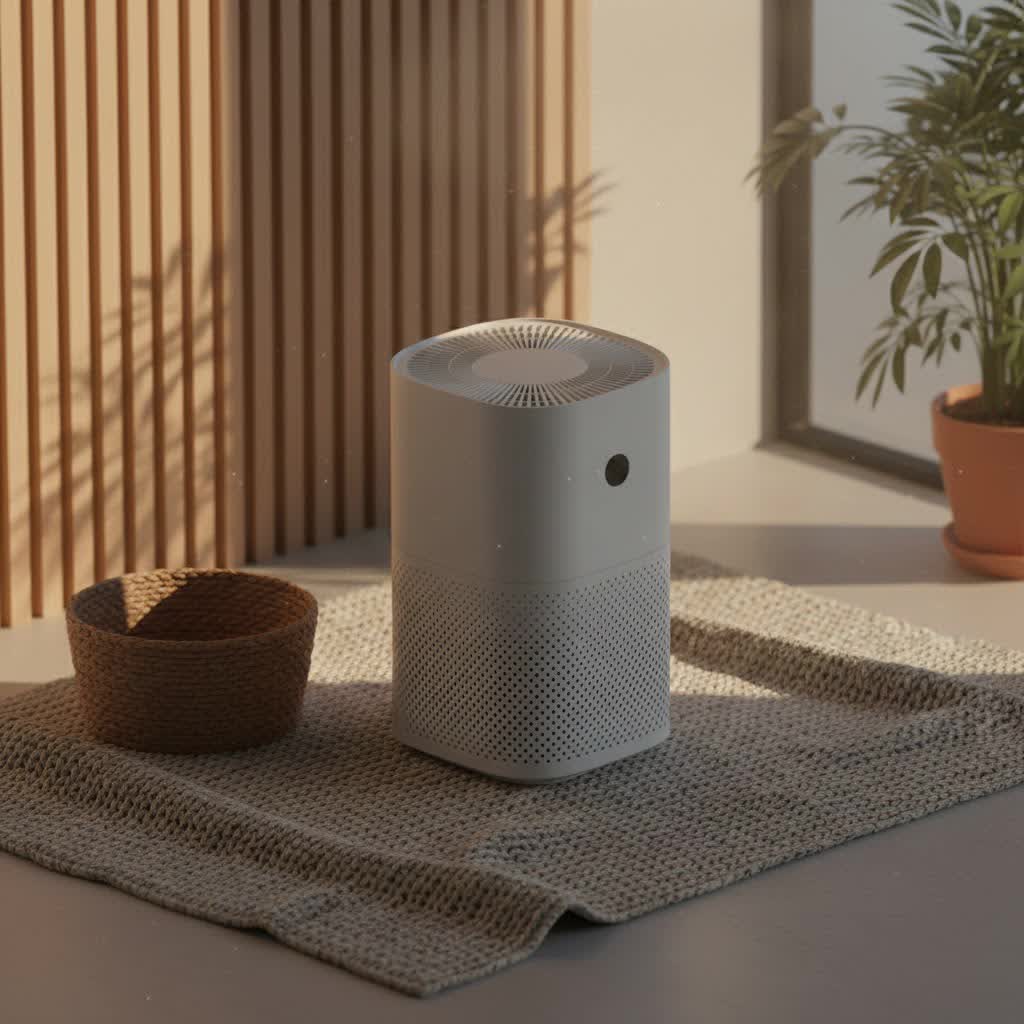
Why You Need an Air Purifier for Mold
Mold is a common guest in many homes, particularly in damp environments like basements, bathrooms, and kitchens. It thrives on moisture and can quickly colonize various surfaces, from walls and ceilings to carpets and upholstery. Beyond its unsightly appearance and unpleasant odor, mold poses several health risks.
The invisible danger lies in mold spores, which are tiny reproductive units that become airborne and can be inhaled. For many, this exposure can trigger allergic reactions, leading to symptoms such as sneezing, runny nose, itchy eyes, skin rashes, and a persistent cough. For individuals with asthma or other respiratory conditions, mold spores can exacerbate symptoms, leading to wheezing, shortness of breath, and even severe asthma attacks. Certain types of mold, like Aspergillus, can also cause more serious infections, especially in those with weakened immune systems. Furthermore, mold can release mycotoxins and other VOCs that contribute to the distinctive musty odor and can have systemic health effects over time, including fatigue and headaches.
An air purifier with the right filtration technology helps mitigate these risks by actively removing airborne mold spores, mycotoxins, and odors, thereby improving indoor air quality and reducing your exposure to these harmful particles.
How Air Purifiers Combat Mold
Air purifiers work by drawing in ambient air, passing it through a series of filters, and then releasing cleaner air back into the room. For mold, specific filtration types are more effective at trapping or neutralizing these microscopic invaders.
HEPA Filters: The Gold Standard
|
Our Picks for the Best Air Purifier in 2026
As an Amazon Associate I earn from qualifying purchases.
|
||
| Num | Product | Action |
|---|---|---|
| 1 | LEVOIT Air Purifier for Home Bedroom Dorm Room, Smart WiFi Alexa Control, AHAM VERIFIDE, 3-in-1 Filter with HEPA Sleep Mode for Allergens, Pollutants, Smoke, Dust, Core 200S-P, White |

|
| 2 | LEVOIT Air Purifiers for Bedroom Home Dorm, AHAM VERIFIED, 3-in-1 Filter Claener with Fragrance Sponge, Portable Filters Smoke, Allergens, Pet Dander, Odor, Dust, Office, Desktop, Core Mini-P, White |
|
| 3 | Air Purifiers for Home with H13 Quiet HEPA Filter, Up to 1076 Ft² for Pet Hair, Odors, Pollen, Smoke, Compact Air Cleaner with 3 Speeds, Timer, Aroma Quiet 360°Intake Filter, White |
|
| 4 | Air Purifiers for Home Large Room, Cover Up to 2400 Ft² with True HEPA Filter, Smart Mode, PM2.5 Air Quality Display, 22dB Sleep Mode, Aromatherapy with 2X-Purification & 360°Air Outlet, HAP603, White |
|
| 5 | KNKA Air Purifier for Home Bedroom Large Room Up to 3,500 Ft², HEPA Air Cleaner with Washable Pre-Filter, AHAM VERIFIDE, AQI Display, ECO Mode, Pet Mode for Pets, Allergies, Dust, Pollen, APH4000 |
|
| 6 | LEVOIT Air Purifiers for Home Large Room Up to 1875 Ft² with Washable Pre-Filter, AHAM VERIFIDE, Air Quality Monitor, HEPA Sleep Mode for Allergies, Pet Hair in Bedroom, Vital 200S-P, White |
|
| 7 | LEVOIT Air Purifier for Home Allergies Pet Hair in Bedroom, Covers Up to 1073 ft² by 56W High Torque Motor, AHAM VERIFIDE, 3-in-1 Filter with HEPA Sleep Mode, Remove Dust Smoke Odor, Core300-P, White |
|
| 8 | Air Purifiers for Bedroom, FULMINARE H13 True HEPA Air Filter, Quiet Air Cleaner With Night Light,Portable Small Air Purifier for Home, Office, Living Room |
|
| 9 | Air Purifiers for Home Pets Covers Up to 1500 Sq Ft,H13 Hepa Filter with Washable Pre-Filter,Pet Hair Dander Smoke Air Cleaner,22 dB Quiet Sleep for Living Room Bedroom Kitchen,P280 (Black) |
|
| 10 | Afloia Air Purifiers for Home Bedroom Large Room Up to 1076 Ft², 3-Stage Filter Cleaner Odor Eliminator, Remove Pets Dust Dander Hair Allergy Mold Pollen Smoke Smell, Quiet 22 dB, 7 Colors Night Light |
|
High-Efficiency Particulate Air (HEPA) filters are widely considered the most crucial component for an air purifier targeting mold. True HEPA filters are designed to capture at least 99.97% of airborne particles as small as 0.3 microns. Mold spores typically range from 1 to 40 microns in size, meaning they fall well within the capture capabilities of a HEPA filter. As air passes through the dense mesh of fibers, mold spores are physically trapped, preventing them from recirculating. This mechanism is highly effective at reducing the concentration of airborne spores, which is essential for alleviating allergy and asthma symptoms.
Activated Carbon Filters: Eliminating Odors and VOCs
While HEPA filters excel at capturing particulate matter, they do not absorb gases or odors. This is where activated carbon filters come into play. Mold often produces a distinct, musty smell duewhich is caused by volatile organic compounds (VOCs). Activated carbon, with its highly porous structure, excels at adsorbing these odor-causing molecules and other harmful chemical pollutants from the air. An air purifier combining a HEPA filter with an activated carbon filter offers a comprehensive solution: capturing spores and neutralizing the unpleasant, lingering smell of mold.
UV-C Light Technology: A Layer of Defense
Some air purifiers incorporate UV-C (ultraviolet-C) light technology, which uses short-wavelength ultraviolet light to neutralize microorganisms like bacteria, viruses, and mold spores. UV-C light works by damaging the DNA of these pathogens, inhibiting their ability to reproduce and spread. While UV-C can be an effective additional layer of defense against airborne mold spores, its efficacy depends on the duration of exposure and the purifier’s design. It primarily targets spores that pass directly through the light chamber and does not eliminate mold growing on surfaces.
Technologies to Approach with Caution
When selecting an air purifier, it’s generally advisable to be cautious of units that rely heavily on ionizers or ozone generators. Ionizers release charged ions into the air, which attach to airborne particles, making them easier to filter or settle. However, some ionizers can produce ozone, a lung irritant that can be harmful to respiratory health, especially for those with existing conditions. Similarly, ozone generators are specifically designed to produce ozone and should be avoided for indoor air purification, as ozone can worsen respiratory issues and is not effective at destroying mold growth.
Table: Comparing Air Purifier Filtration Types for Mold
| Filter Type | How it Works | Effectiveness for Mold | Pros | Cons |
|---|---|---|---|---|
| True HEPA | Traps particles ≥ 0.3 microns in a dense fibrous mesh. | Highly effective at capturing airborne mold spores (1-40 microns). | Essential for spore removal; improves air quality. | Does not remove odors or address source mold. |
| Activated Carbon | Adsorbs gases, odors, and VOCs onto its porous surface. | Excellent for removing musty mold odors and chemical by-products. | Eliminates unpleasant smells; tackles chemical pollutants. | Does not capture particulate matter like mold spores; requires HEPA for spore removal. |
| UV-C Light | Damages DNA of microorganisms with ultraviolet light. | Can neutralize airborne mold spores, inhibiting reproduction. | Kills rather than just traps; helps with biological contaminants. | Effectiveness depends on exposure time; does not remove surface mold; may degrade other filters. |
Top Air Purifier Features for Mold Management
When choosing an air purifier to combat mold, look for specific features that maximize its effectiveness.
- True HEPA Filtration: This is non-negotiable. Ensure the purifier specifies “True HEPA” to guarantee it meets the required filtration standards for small particles like mold spores.
- Activated Carbon Filter: Essential for eliminating the musty odors associated with mold and for filtering out harmful VOCs. A substantial carbon filter will be more effective.
- Clean Air Delivery Rate (CADR): This rating indicates how quickly the purifier removes pollutants from a room. Match the CADR to your room size for optimal performance. A higher CADR means faster air cleaning.
- Air Quality Sensors and Auto Mode: Many modern purifiers include sensors that detect airborne particles and VOCs, automatically adjusting fan speed to maintain optimal air quality. This ensures efficient operation without constant manual adjustments.
- Quiet Operation: An air purifier designed for 24/7 use should operate quietly, especially if placed in bedrooms or living areas. Look for models with low decibel ratings on their lowest settings.
- Filter Life Indicator and Easy Replacement: Timely filter replacement is crucial for maintaining efficiency. A filter life indicator takes the guesswork out, and easily replaceable filters simplify maintenance.
- Washable Pre-filters: Some models include washable pre-filters that capture larger particles like dust and pet hair, extending the life of the more expensive HEPA and carbon filters.
Guide to Choosing the Right Air Purifier for Mold
Selecting the ideal air purifier for your needs involves considering several factors:
Room Size
The effectiveness of an air purifier is directly tied to its ability to clean the air in a given space. Measure the square footage of the room where you plan to use the purifier and compare it with the unit’s CADR (Clean Air Delivery Rate) or recommended room size. For open-plan areas or particularly mold-prone spaces like basements, consider models with a higher CADR to ensure sufficient air changes per hour.
Specific Needs
Your primary concerns will guide your choice. If odors are a major issue, prioritize models with robust activated carbon filters. If family members suffer from severe allergies or asthma exacerbated by mold, a True HEPA filter with high efficiency is paramount. For areas with high humidity, while an air purifier helps, combining it with a dehumidifier is crucial for tackling the root cause of mold growth.
Budget
Air purifiers range widely in price, from budget-friendly compact units to high-end, feature-rich systems. Determine your budget but remember that ongoing costs, such as filter replacements, should also be factored in. Sometimes, investing in a slightly more expensive model with longer-lasting filters can be more cost-effective in the long run.
Additional Features
Consider smart features like Wi-Fi connectivity and app control for convenience. These allow you to monitor air quality, adjust settings, and schedule operation from your smartphone. Portability can also be a factor if you intend to move the unit between different rooms.
Tips for Using and Maintaining Your Air Purifier
To maximize the effectiveness of your air purifier in combating mold, follow these practical tips:
Optimal Placement
Position your air purifier in the area where mold is most likely to be an issue or where you spend the most time. High-risk areas include basements, bathrooms, kitchens, and any room with known moisture problems. Place the unit on a flat surface, away from walls or obstructions, to allow for unrestricted airflow. Running the purifier continuously, especially in affected areas, yields the best results.
Regular Filter Maintenance
Filters are the workhorses of your air purifier, and their efficiency depends on proper maintenance. HEPA and activated carbon filters have a finite lifespan and must be replaced according to the manufacturer’s guidelines, typically every 6 to 12 months, depending on usage and air quality. Neglecting to change filters can lead to reduced performance and, in some cases, filters themselves can become a breeding ground for collected particles if left too long. Regularly check pre-filters and clean them as recommended to prolong the life of other filters.
Addressing the Root Cause: Moisture Control
It cannot be stressed enough: an air purifier treats the symptoms of airborne mold, but it does not eliminate the cause of mold growth. Mold needs moisture to thrive. Therefore, alongside using an air purifier, you must actively control humidity levels in your home. Use dehumidifiers in damp areas to keep indoor humidity between 30-50%. Promptly fix any leaks, ensure adequate ventilation in bathrooms and kitchens, and dry out wet areas immediately. For extensive mold growth (e.g., an area larger than 10 square feet or a strong, persistent mold smell), professional mold remediation is recommended to safely remove the existing mold and address the underlying moisture issues.
Frequently Asked Questions about Air Purifiers for Mold
Can an air purifier kill mold that is growing on surfaces?
No, air purifiers primarily address airborne mold spores. They cannot remove mold that has already colonized surfaces like walls, ceilings, or furniture. For surface mold, you need to physically clean it and address the moisture source.
What’s the difference between an air purifier and a dehumidifier for mold?
A dehumidifier removes moisture from the air, preventing mold from growing in the first place. An air purifier filters airborne mold spores and odors. They complement each other: a dehumidifier prevents growth, and an air purifier cleans the air of any existing spores.
How often should I run my air purifier for mold?
For effective mold management, it’s best to run your air purifier continuously, especially in mold-prone areas. Many modern purifiers have energy-efficient modes suitable for 24/7 operation.
Do all air purifiers help with mold?
No, not all air purifiers are equally effective. Only those equipped with a True HEPA filter can efficiently capture mold spores. Activated carbon filters are necessary for removing mold odors and VOCs.
Can an air purifier eliminate the moldy smell?
Yes, an air purifier with a robust activated carbon filter is highly effective at absorbing the musty odors associated with mold and other volatile organic compounds (VOCs).
Conclusion
Navigating the challenges of indoor air quality, especially concerning mold, can feel daunting. However, integrating a high-quality air purifier into your home environment offers a powerful and proactive step towards cleaner, healthier air. By effectively capturing airborne mold spores, mitigating musty odors, and reducing other airborne irritants, an air purifier can significantly alleviate respiratory symptoms and improve overall well-being. Remember, it functions as a crucial component of a broader strategy that also includes diligent moisture control and, when necessary, professional mold remediation.
Are you ready to transform your living space into a sanctuary of fresh, pure air, free from the pervasive threat of mold?
