The air inside our homes can often be more polluted than the air outside, teeming with invisible particles that impact our health and well-being. From allergens and pet dander to volatile organic compounds (VOCs) and smoke, these airborne contaminants can trigger allergies, worsen respiratory conditions, and diminish overall indoor comfort. This is where a high-quality air purifier, particularly one utilizing advanced filtration technology like Blueair, becomes an indispensable asset. Blueair has earned a reputation for innovation in air purification, primarily due to its unique approach to filtration. This guide will delve into the intricacies of Blueair air purifier filters, exploring their cutting-edge technology, the different types available, how to choose the right one for your needs, and essential maintenance tips to ensure your home enjoys consistently clean and healthy air.
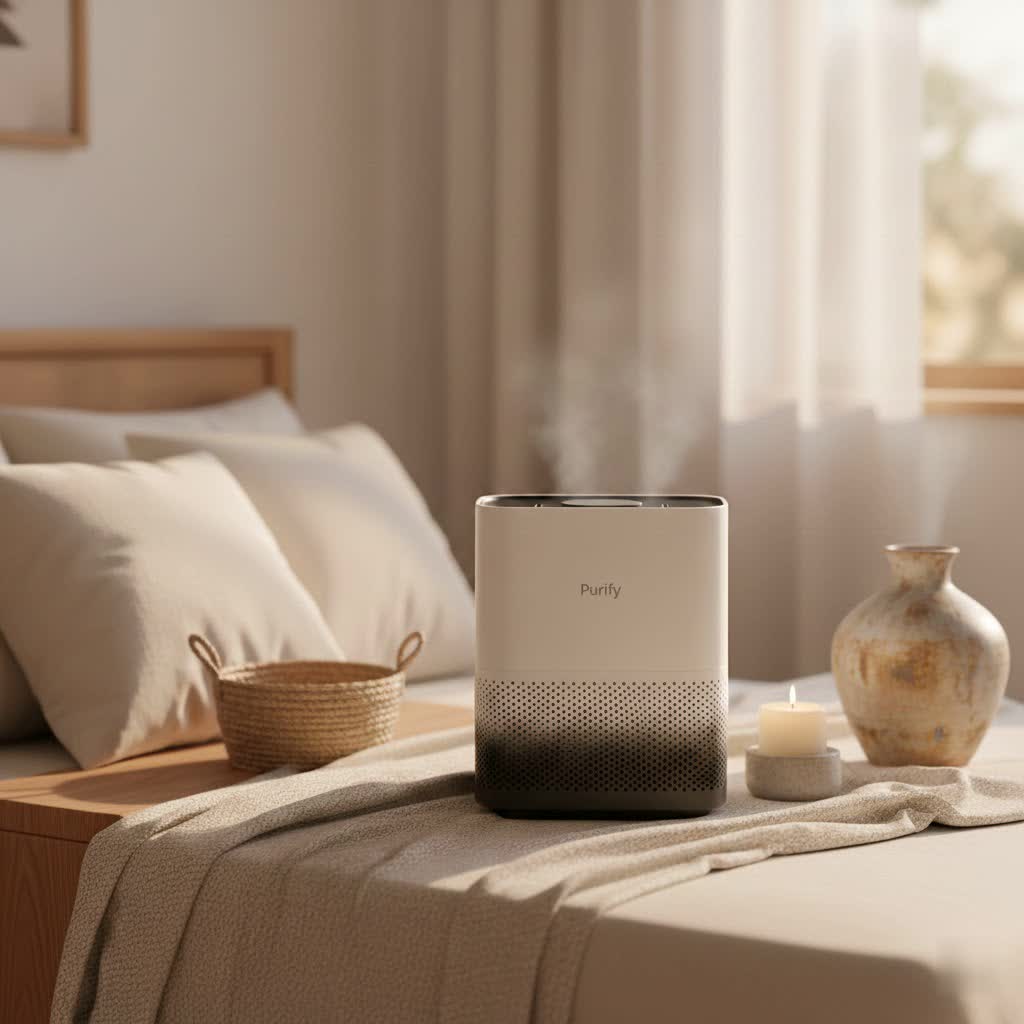
Understanding Blueair’s Core Filtration Technology: HEPASilent™
At the heart of every Blueair air purifier lies its proprietary HEPASilent™ filtration technology, a revolutionary system designed to deliver superior air cleaning with minimal noise and energy consumption. Unlike traditional filtration methods that rely solely on mechanical capture, HEPASilent™ employs a dual-action approach, combining the best of both worlds to trap even the tiniest airborne pollutants.
HEPASilent™ technology works by first drawing polluted air into the purifier. As the air passes through a specialized chamber, airborne particles are given an electrostatic charge. This charge makes the particles “stickier,” causing them to adhere more readily to the filter media. The filter itself is less dense than conventional HEPA filters, allowing for greater airflow at lower fan speeds. This combination of mechanical filtration and electrostatic charging enables Blueair purifiers to capture a remarkable percentage of contaminants efficiently and quietly. Blueair’s more advanced iteration, HEPASilent™ Ultra, further refines this process for enhanced performance.
Comparing HEPASilent™ to traditional True HEPA filters reveals key distinctions. While True HEPA filters are certified to capture 99.97% of particles down to 0.3 microns, Blueair’s HEPASilent™ technology is independently tested to achieve a 99.97% filtration efficiency for particles as small as 0.1 microns, and in some cases, even 99.99% at 0.3 microns. This capability to trap smaller particles means it can effectively remove microscopic allergens, dust, pollen, pet dander, smoke, and even viruses and bacteria. The less dense filter design, coupled with electrostatic charging, not only boosts filtration efficiency but also translates into quieter operation and significantly lower energy consumption, making Blueair units some of the most energy-efficient air purifiers on the market. Furthermore, Blueair purifiers are CARB-certified, ensuring they produce negligible levels of ozone, a common concern with some electrostatic air cleaners.
Types of Blueair Air Purifier Filters
Blueair offers a range of filter types, each tailored to address specific indoor air quality challenges. Understanding these options is crucial for selecting the most effective filter for your home environment.
-
Particle Filter: This filter is specifically engineered for high-efficiency particle removal. It excels at capturing common airborne contaminants such as dust, pollen, pet dander, and other fine particulate matter. The Particle Filter is ideal for households primarily concerned with allergies, asthma triggers, and general dust control, where gaseous pollutants are not a major issue.
-
Particle & Carbon Filter (Standard): This is Blueair’s most common and versatile filter, designed for comprehensive everyday air purification. It combines the high particle removal capabilities of the Particle Filter with a layer of activated carbon. The activated carbon is highly effective at absorbing household odors, such as cooking smells, pet odors, and smoke, as well as volatile organic compounds (VOCs) released from cleaning products, paints, and furnishings. This filter is an excellent choice for general home use, providing a balanced approach to clean air by tackling both particulate and gaseous pollutants.
-
SmokeBlock Filter: For environments with significant smoke exposure or strong odors, the SmokeBlock Filter offers enhanced protection. This specialty filter features approximately double the amount of activated carbon compared to the standard Particle & Carbon Filter. It is specifically designed to remove up to 99.99% of wildfire smoke particulates, along with toxic gases, smog, and other emissions. The increased carbon content also makes it exceptionally effective at trapping strong household odors. If you live in an area prone to wildfires, or regularly deal with heavy smoke or strong chemical odors, the SmokeBlock Filter is an optimal choice.
-
Pre-filters: Complementing the main filters, many Blueair purifiers include washable fabric pre-filters. These colorful pre-filters act as a first line of defense, capturing larger particles like hair and lint before they reach the main filter. Regular cleaning (vacuuming or washing) of the pre-filter helps to extend the lifespan and maintain the efficiency of the main filter, saving you money and reducing replacement frequency.
Choosing the Right Blueair Filter for Your Needs
Selecting the appropriate Blueair filter is a key step in optimizing your air purification system. Consider the following factors to make an informed decision:
-
Identify Your Primary Air Concerns: Start by pinpointing the main pollutants you wish to address. Are you battling seasonal allergies, pet dander, or persistent dust? The Particle Filter might suffice. Do you frequently cook strong-smelling foods, have pets, or notice chemical odors from new furniture? The Particle & Carbon Filter is better suited. If you live in an area affected by wildfire smoke, or if cigarette smoke or heavy industrial odors are a concern, the SmokeBlock Filter provides superior protection.
-
Specific Pollutants: Different filters are designed to target different types of pollutants. While all Blueair filters excel at capturing particulate matter, only those with activated carbon can effectively remove gaseous pollutants, odors, and VOCs.
-
Lifestyle and Environment: Your daily activities and geographic location can influence your filter choice. For instance, pet owners or those living in urban environments with higher levels of smog and traffic pollution may benefit greatly from filters with robust carbon components.
Maximizing Performance: Blueair Filter Maintenance and Replacement
Proper maintenance of your Blueair filters is crucial for ensuring your air purifier operates at its peak efficiency and provides consistent clean air.
-
When to Replace Filters: Blueair generally recommends replacing your main filter every 6-9 months. However, this timeframe can vary based on actual usage, indoor pollution levels, and the specific model of your air purifier. Many Blueair models feature a convenient filter replacement indicator, which illuminates a red light on the control panel when it’s time for a change. Some advanced 3-in-1 models even calculate the remaining filter lifetime based on real-time usage and air quality data, providing a more precise recommendation.
-
How to Replace: While specific instructions may vary slightly by model, replacing a Blueair filter is typically a straightforward process. Generally, it involves opening the unit, removing the old filter, and inserting a new, genuine Blueair filter. Always consult your specific model’s user manual for detailed, step-by-step instructions. After replacement, remember to reset the filter indicator light (usually by pressing and holding a button for a few seconds) to restart the tracking cycle.
-
Pre-filter Care: Don’t forget about your pre-filters! These washable fabric sleeves are designed to capture larger particles and can be easily cleaned. Regularly vacuuming or washing your pre-filter (following the instructions on its label) helps prevent larger debris from clogging the main filter, thereby extending its life and maintaining the overall efficiency of your air purification system.
-
Importance of Genuine Filters: Always use genuine Blueair replacement filters compatible with your specific model. While aftermarket filters may seem like a cost-saving option, they can compromise the purifier’s performance, reduce its lifespan, and potentially void your warranty. Genuine filters are designed to work seamlessly with Blueair’s HEPASilent™ technology, ensuring optimal filtration efficiency, airflow, and quiet operation.
Blueair Filters in Action: Real-World Benefits
The impact of high-performance Blueair filters extends beyond just cleaner air particles. In everyday life, these filters contribute to:
- Improved Health: By removing allergens, dust, and other irritants, Blueair filters can significantly alleviate allergy and asthma symptoms, leading to easier breathing and fewer respiratory issues.
- Enhanced Sleep Quality: A bedroom free from airborne pollutants can promote a more restful night’s sleep, allowing you to wake up feeling refreshed.
- Odor Elimination: Filters with activated carbon effectively neutralize unpleasant household odors, creating a fresher and more inviting living space.
- Peace of Mind: Knowing that your indoor environment is protected by advanced filtration provides a sense of security for you and your family’s health.
Frequently Asked Questions about Blueair Air Purifier Filters
How often should I replace my Blueair filter?
|
Our Picks for the Best Air Purifier in 2026
As an Amazon Associate I earn from qualifying purchases.
|
||
| Num | Product | Action |
|---|---|---|
| 1 | Afloia Air Purifiers for Home Bedroom Large Room Up to 1076 Ft², 3-Stage Filter Cleaner Odor Eliminator, Remove Pets Dust Dander Hair Allergy Mold Pollen Smoke Smell, Quiet 22 dB, 7 Colors Night Light |

|
| 2 | LEVOIT Air Purifier for Home Bedroom Dorm Room, Smart WiFi Alexa Control, AHAM VERIFIDE, 3-in-1 Filter with HEPA Sleep Mode for Allergens, Pollutants, Smoke, Dust, Core 200S-P, White |
|
| 3 | KNKA Air Purifier for Home Bedroom Large Room Up to 3,500 Ft², HEPA Air Cleaner with Washable Pre-Filter, AHAM VERIFIDE, AQI Display, ECO Mode, Pet Mode for Pets, Allergies, Dust, Pollen, APH4000 |
|
| 4 | Air Purifiers for Home Pets Covers Up to 1500 Sq Ft,H13 Hepa Filter with Washable Pre-Filter,Pet Hair Dander Smoke Air Cleaner,22 dB Quiet Sleep for Living Room Bedroom Kitchen,P280 (Black) |
|
| 5 | Air Purifiers for Home Large Room, Cover Up to 2400 Ft² with True HEPA Filter, Smart Mode, PM2.5 Air Quality Display, 22dB Sleep Mode, Aromatherapy with 2X-Purification & 360°Air Outlet, HAP603, White |
|
| 6 | LEVOIT Air Purifier for Home Allergies Pet Hair in Bedroom, Covers Up to 1073 ft² by 56W High Torque Motor, AHAM VERIFIDE, 3-in-1 Filter with HEPA Sleep Mode, Remove Dust Smoke Odor, Core300-P, White |
|
| 7 | LEVOIT Air Purifiers for Home Large Room Up to 1875 Ft² with Washable Pre-Filter, AHAM VERIFIDE, Air Quality Monitor, HEPA Sleep Mode for Allergies, Pet Hair in Bedroom, Vital 200S-P, White |
|
| 8 | Air Purifiers for Home with H13 Quiet HEPA Filter, Up to 1076 Ft² for Pet Hair, Odors, Pollen, Smoke, Compact Air Cleaner with 3 Speeds, Timer, Aroma Quiet 360°Intake Filter, White |
|
| 9 | Air Purifiers for Bedroom, FULMINARE H13 True HEPA Air Filter, Quiet Air Cleaner With Night Light,Portable Small Air Purifier for Home, Office, Living Room |
|
| 10 | LEVOIT Air Purifiers for Bedroom Home Dorm, AHAM VERIFIED, 3-in-1 Filter Claener with Fragrance Sponge, Portable Filters Smoke, Allergens, Pet Dander, Odor, Dust, Office, Desktop, Core Mini-P, White |
|
Blueair generally recommends replacing your main filter every 6-9 months. Many models have an indicator light that turns red when it’s time for a change, or calculate the remaining lifetime based on usage and pollution levels.
What is the difference between HEPASilent and True HEPA?
HEPASilent™ combines mechanical and electrostatic filtration to capture 99.97% of particles down to 0.1 microns, offering superior efficiency and quieter operation due to less dense filters. True HEPA filters typically capture 99.97% of particles down to 0.3 microns using purely mechanical means.
Do Blueair filters remove viruses and bacteria?
Yes, Blueair’s HEPASilent™ technology is designed to capture particles as small as 0.1 microns, which includes many viruses and bacteria. The electrostatic charge helps these tiny particles adhere to the filter media effectively.
Can I wash my main Blueair filter?
No, the main Blueair filters (Particle, Particle & Carbon, SmokeBlock) are not washable and should be replaced. Only the fabric pre-filters are washable and designed for regular cleaning to extend the life of the main filter.
Are Blueair filters recyclable?
Blueair is committed to sustainability, and many of their filters are made with recyclable materials. Check the specific packaging or Blueair’s website for recycling instructions relevant to your region and filter type.
Conclusion
Blueair air purifier filters stand as a testament to innovative air purification, offering advanced technology that effectively tackles a wide spectrum of indoor pollutants. Through their unique HEPASilent™ technology, which expertly blends mechanical and electrostatic filtration, Blueair filters deliver exceptional performance in capturing particles, odors, and harmful gases, all while maintaining quiet operation and energy efficiency. By understanding the different filter types—Particle, Particle & Carbon, and SmokeBlock—and committing to proper maintenance and timely replacement, you empower your Blueair purifier to continuously provide your home with the cleanest, healthiest air possible. Choosing the right Blueair filter isn’t just about making a purchase; it’s an investment in your well-being, transforming your living space into a sanctuary of fresh, pure air. What steps will you take today to ensure your indoor air quality is at its absolute best?
