Breathing easy in your own home should be a given, but often, the air inside our houses can be even more polluted than the air outdoors. From hidden allergens to lingering odors and invisible chemicals, indoor air quality (IAQ) is a critical concern that impacts our health and comfort daily. This comprehensive guide will navigate you through the world of air purifiers, explaining why they are essential, the different types available, the top-rated models, and how to select and maintain the perfect one for your space, ensuring every breath you take is a breath of fresh air.
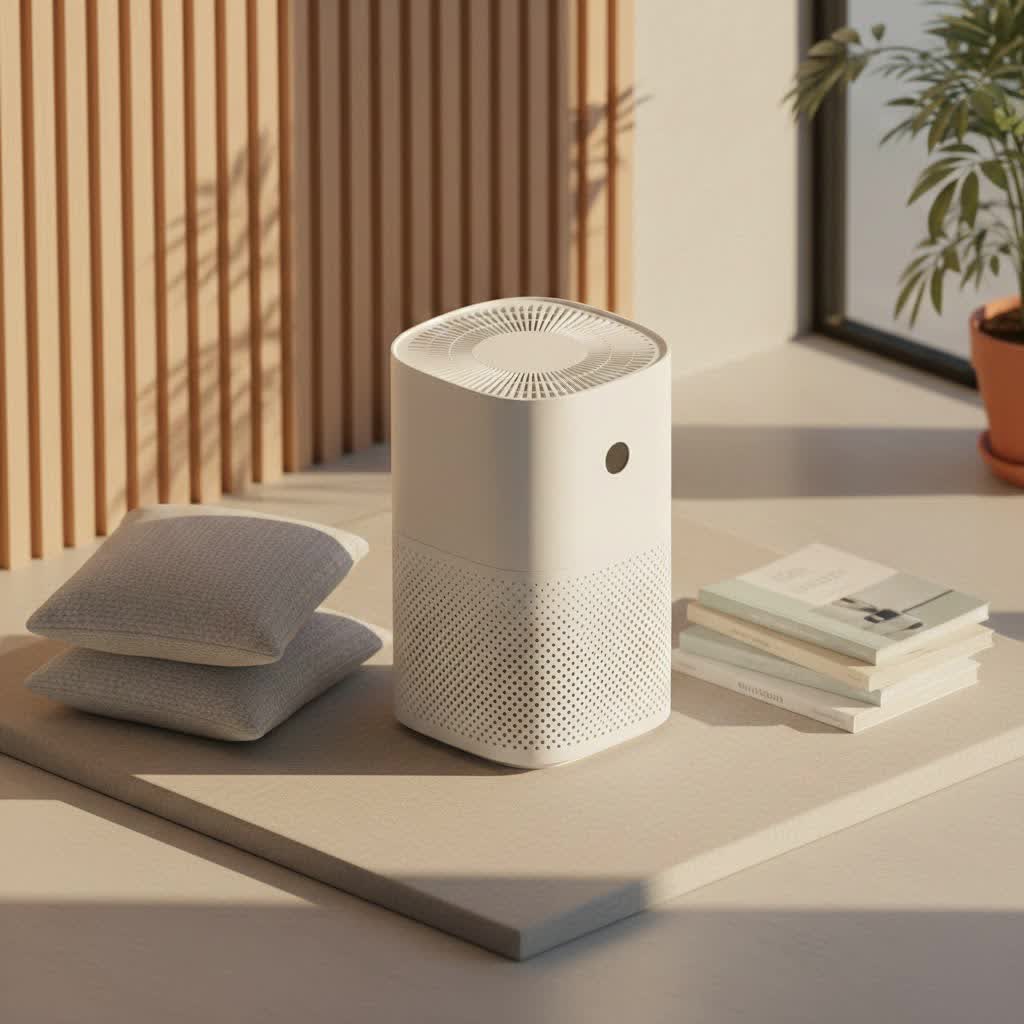
Why Do You Need an Air Purifier?
Your home, a sanctuary of comfort, can also be a reservoir for various airborne pollutants. These unseen intruders contribute to poor indoor air quality, which can have significant short-term and long-term health implications for you and your family. Understanding these threats is the first step toward creating a healthier living environment.
Indoor air pollution stems from numerous sources, both inside and outside your home. Common culprits include dust mites, pet dander, pollen, mold spores, and volatile organic compounds (VOCs) released from cleaning products, paints, and furniture. Cooking fumes, tobacco smoke, and even viruses and bacteria can also circulate, compromising the air you breathe. Over time, exposure to these pollutants can exacerbate allergies and asthma, lead to respiratory infections, and even affect cognitive function and sleep quality.
Air purifiers are specifically designed to combat these airborne threats. They effectively capture and neutralize a wide range of pollutants, from microscopic particles like fine dust and pet dander to noxious gases and even airborne pathogens. By continuously filtering the air, these devices reduce the concentration of irritants and contaminants, offering significant health benefits. Expect clearer breathing, fewer allergy symptoms, better sleep, and a reduced risk of spreading airborne illnesses.
Common Types of Air Purifiers
The market offers a variety of air purifier technologies, each with unique strengths in tackling different types of indoor pollutants. Understanding how each type works can help you identify the best solution for your specific needs.
HEPA Air Purifiers
High-Efficiency Particulate Air (HEPA) filters are the gold standard for removing airborne particles. These mechanical filters consist of a dense mat of fibers designed to trap 99.97% of particles as small as 0.3 microns, including dust, pollen, pet dander, mold spores, and some bacteria and viruses. HEPA purifiers work by drawing air through this intricate filter, physically trapping contaminants within the fibers.
- Operating Principle: Air is pulled through a finely woven, pleated filter material. Particles larger than the filter’s pores are trapped by interception, impaction, and diffusion.
- Pros: Highly effective for particulate matter, a proven technology, and essential for allergy and asthma sufferers.
- Cons: Do not remove gases, odors, or VOCs effectively on their own; filters require regular replacement, which incurs ongoing costs.
|
Our Picks for the Best Air Purifier in 2026
As an Amazon Associate I earn from qualifying purchases.
|
||
| Num | Product | Action |
|---|---|---|
| 1 | Air Purifiers for Home Large Room, Cover Up to 2400 Ft² with True HEPA Filter, Smart Mode, PM2.5 Air Quality Display, 22dB Sleep Mode, Aromatherapy with 2X-Purification & 360°Air Outlet, HAP603, White |

|
| 2 | LEVOIT Air Purifiers for Home Large Room Up to 1875 Ft² with Washable Pre-Filter, AHAM VERIFIDE, Air Quality Monitor, HEPA Sleep Mode for Allergies, Pet Hair in Bedroom, Vital 200S-P, White |
|
| 3 | LEVOIT Air Purifier for Home Allergies Pet Hair in Bedroom, Covers Up to 1073 ft² by 56W High Torque Motor, AHAM VERIFIDE, 3-in-1 Filter with HEPA Sleep Mode, Remove Dust Smoke Odor, Core300-P, White |
|
| 4 | Air Purifiers for Bedroom, FULMINARE H13 True HEPA Air Filter, Quiet Air Cleaner With Night Light,Portable Small Air Purifier for Home, Office, Living Room |
|
| 5 | Air Purifiers for Home with H13 Quiet HEPA Filter, Up to 1076 Ft² for Pet Hair, Odors, Pollen, Smoke, Compact Air Cleaner with 3 Speeds, Timer, Aroma Quiet 360°Intake Filter, White |
|
| 6 | LEVOIT Air Purifier for Home Bedroom Dorm Room, Smart WiFi Alexa Control, AHAM VERIFIDE, 3-in-1 Filter with HEPA Sleep Mode for Allergens, Pollutants, Smoke, Dust, Core 200S-P, White |
|
| 7 | Air Purifiers for Home Pets Covers Up to 1500 Sq Ft,H13 Hepa Filter with Washable Pre-Filter,Pet Hair Dander Smoke Air Cleaner,22 dB Quiet Sleep for Living Room Bedroom Kitchen,P280 (Black) |
|
| 8 | Afloia Air Purifiers for Home Bedroom Large Room Up to 1076 Ft², 3-Stage Filter Cleaner Odor Eliminator, Remove Pets Dust Dander Hair Allergy Mold Pollen Smoke Smell, Quiet 22 dB, 7 Colors Night Light |
|
| 9 | KNKA Air Purifier for Home Bedroom Large Room Up to 3,500 Ft², HEPA Air Cleaner with Washable Pre-Filter, AHAM VERIFIDE, AQI Display, ECO Mode, Pet Mode for Pets, Allergies, Dust, Pollen, APH4000 |
|
| 10 | LEVOIT Air Purifiers for Bedroom Home Dorm, AHAM VERIFIED, 3-in-1 Filter Claener with Fragrance Sponge, Portable Filters Smoke, Allergens, Pet Dander, Odor, Dust, Office, Desktop, Core Mini-P, White |
|
Activated Carbon Air Purifiers
While HEPA filters excel at trapping particulates, activated carbon filters specialize in addressing gaseous pollutants. These filters are made from highly porous carbon, which adsorbs (binds to) chemical compounds, odors, and gases at a molecular level.
- Ability to Remove Odors and Chemicals: Activated carbon is highly effective at neutralizing pet odors, cooking smells, smoke, and volatile organic compounds (VOCs) that off-gas from household products and materials.
- Pros: Excellent for odor and chemical removal, often paired with HEPA filters for comprehensive purification.
- Cons: Does not filter particulate matter; carbon media can become saturated over time and requires replacement to maintain effectiveness.
UV Air Purifiers
Ultraviolet (UV) air purifiers utilize UV-C light to inactivate microorganisms like bacteria, viruses, and mold spores. The UV-C light damages the DNA of these pathogens, rendering them unable to reproduce and cause illness.
- Kills Bacteria and Viruses: Primarily targets biological contaminants, making them beneficial in environments where germ control is a priority.
- Pros: Effective against airborne pathogens, adding an extra layer of defense against illnesses.
- Cons: Does not remove particulate matter, gases, or odors; effectiveness depends on the intensity of the UV lamp and the exposure time of the air to the light; generally considered a supplemental technology rather than a standalone solution.
Ionizing Air Purifiers
Ionizing air purifiers release negatively charged ions into the air. These ions attach to airborne particles, making them heavier and causing them to fall out of the air onto surfaces or be collected by a charged plate within the purifier.
- Effectiveness and Safety: Can be effective at removing very small particles, often operating quietly. However, some older or poorly designed ionizers can produce ozone, a lung irritant, as a byproduct. Modern, safe ionizers are designed to produce minimal or no ozone.
- Pros: Can capture extremely small particles, often quieter and may have no filters to replace (though collection plates need cleaning).
- Cons: Particles settle on surfaces, requiring more frequent cleaning; potential for ozone production (always choose ozone-free certified models).
Electrostatic Air Purifiers
Electrostatic precipitators are a type of ionizing air purifier that uses electrostatically charged plates to attract and trap airborne particles. Instead of letting charged particles settle on household surfaces, these devices draw them onto internal collection plates.
- Advantages in Cost and Maintenance: Many electrostatic filters are washable and reusable, leading to lower long-term filter replacement costs compared to HEPA filters. They can be highly effective at removing small particles.
- Pros: Reusable filters reduce ongoing costs, effective for particulates.
- Cons: Collection plates require regular cleaning to maintain efficiency; similar to ionizers, some models can produce ozone; less effective against gases and odors.
Comparison Table of Air Purifier Types
Choosing the best air purifier means balancing filtration needs with practical considerations like maintenance and noise. Here’s a detailed comparison to help you weigh your options:
| Feature | HEPA Air Purifier | Activated Carbon Air Purifier | UV Air Purifier | Ionizing Air Purifier | Electrostatic Air Purifier |
|---|---|---|---|---|---|
| Primary Target | Particles (dust, pollen, dander, mold, PM2.5) | Gases, VOCs, odors, smoke | Bacteria, viruses, mold | Particles (dust, dander, smoke) | Particles (dust, dander, smoke) |
| Filtration Efficiency | Excellent (99.97% of 0.3 microns) | High for gaseous pollutants | High for microorganisms | Good for very fine particles | High for particles |
| Noise Level (Typical) | Moderate to High (due to fan) | Moderate to High (due to fan, often paired with HEPA) | Low (often used with fan for circulation) | Low to Moderate | Moderate |
| Ongoing Cost (Filters/Maintenance) | Moderate (regular filter replacement) | Moderate (regular filter replacement) | Low (UV lamp replacement every 1-2 years) | Low (plate cleaning, no filter buying) | Low (washable plates) |
| Filter Lifespan | 6-12 months | 6-12 months | 1-2 years (UV lamp) | Indefinite (plates cleaned) | Indefinite (plates cleaned) |
| Ozone Production Risk | None | None | None | Low to Moderate (choose certified models) | Low to Moderate (choose certified models) |
| Pros | Best for allergies/asthma, proven | Excellent for odors/chemicals | Disinfects air, kills germs | Quiet, can get fine particles | Low running cost, effective |
| Cons | No odors/gases, filter cost | No particulates, filter cost | No particles/gases, supplemental only | Surface dust, potential ozone | Plate cleaning, potential ozone |
Top Best Air Purifiers Today (By Price Segment)
Choosing an air purifier involves balancing performance with your budget. Here’s a look at some of the best-rated models across different price points, highlighting their key features and ideal uses.
Budget Segment (Under ~$120 USD)
In this segment, you can find effective air purifiers suitable for smaller rooms, often with essential features for basic air cleaning.
- Levoit Core 200S: This compact model is highly regarded for its performance in small spaces like bedrooms or offices. It uses a True HEPA filter to capture common allergens and pollutants, and often includes smart features like app control and quiet operation, making it ideal for budget-conscious users seeking reliable purification for confined areas.
- Blueair Blue Pure 511i Max Smart Air Purifier: Offering excellent value, this purifier is designed for smaller spaces and stands out with its Wi-Fi connectivity and built-in air quality sensor, a feature often found in more expensive models. It can remove 99.97% of airborne particles down to 0.1 microns, providing powerful filtration for its size and price point.
Mid-Range Segment (~$120-$280 USD)
This category offers a sweet spot between performance and cost, providing models suitable for most family homes with a good balance of features and room coverage.
- Winix 5510-2 True HEPA Air Purifier: A perennial favorite, the Winix 5510-2 features a four-stage filtration system including a True HEPA filter, activated carbon filter, and PlasmaWave technology (which can be turned off if ozone concerns exist). It excels in removing smoke and airborne particles from medium to large rooms, making it a strong contender for those with pets or allergy sensitivities.
- Blueair Blue Pure 311i Max: Often lauded as a top overall performer, this model offers a balanced approach to air purification. It’s highly effective at particle removal, quiet in operation, and energy-efficient. Its medium size makes it versatile for various rooms, and its consistent performance earns it high marks for general household use.
- Levoit Vital 200S: The Levoit Vital 200S provides a robust filtration system for mid-sized rooms. While its filtration system might be simpler than premium models, it delivers strong particle filtration and often includes features like smart sensors and auto mode, adapting to your home’s air quality in real-time.
Premium Segment (Over ~$280 USD)
For those seeking advanced features, superior coverage, and long-term value, premium air purifiers offer cutting-edge technology and robust performance for larger spaces or specific needs.
- Coway Airmega 400S: This powerhouse is consistently praised for its rapid particle removal and effectiveness in very large rooms or open-plan living spaces. Its dual-filter system, including True HEPA and activated carbon, ensures comprehensive purification. Smart features, app control, and a sleek design complement its high performance.
- NuWave OxyPure Smart Air Purifier: A standout for its multi-stage filtration and cost-saving washable/reusable filters (excluding the HEPA/activated carbon filter which needs yearly replacement). The OxyPure offers comprehensive air cleaning, including filters for mold, viruses, bacteria, and ozone, alongside strong particle filtration, making it ideal for those prioritizing thorough purification and reduced recurring costs.
- Oransi Mod+ HEPA Air Purifier: Designed for large, open spaces and pet owners, the Oransi Mod+ offers powerful filtration capable of covering significant square footage. Its three-in-one filtration system targets pet dander, pollen, and activated carbon, making it a top choice for those with large homes or multiple pets.
How to Choose the Right Air Purifier
Selecting the ideal air purifier involves more than just picking a highly-rated model. It requires a thoughtful assessment of your living space, specific air quality concerns, and personal preferences.
Room Size
The effectiveness of an air purifier is highly dependent on its ability to adequately clean the air in a given space. Begin by measuring the square footage of the room where you intend to place the purifier. Manufacturers typically provide a “recommended room size” or a Clean Air Delivery Rate (CADR) rating.
- How to Calculate Room Size and Choose a Suitable Capacity Machine: For optimal performance, choose a purifier with a CADR that matches or exceeds the square footage of your room. A higher CADR indicates faster air purification. If you have particularly high ceilings, consider opting for a model with a slightly larger capacity to account for the increased air volume.
Usage Needs
Your primary reason for needing an air purifier will significantly influence the type of filtration technology that is most suitable.
- Identify Specific Needs (Odor Removal, Sterilization, Fine Dust Filtration, etc.):
- Allergies/Asthma: Prioritize True HEPA filters for removing pollen, dust mites, pet dander, and mold spores.
- Pets: Look for a combination of True HEPA for dander and activated carbon for pet odors.
- Smoke/VOCs/Chemicals: Activated carbon filters are essential for adsorbing these gaseous pollutants.
- Viruses/Bacteria: Consider models with UV-C light in addition to HEPA filtration for added germicidal action, especially during flu season.
Budget
Air purifiers represent an investment, and it’s important to consider both the initial purchase price and ongoing costs.
- Choose an Air Purifier That Fits Your Budget: Factor in the cost of replacement filters, which can range from $20 to over $100 and need replacing every 6-12 months. Energy consumption is also a consideration; ENERGY STAR certified models are more energy-efficient, saving on electricity bills in the long run.
Additional Features
Modern air purifiers come with a host of features designed to enhance convenience and performance.
- Dust Sensors, Auto Mode, Timer, Remote Control, etc.:
- Air Quality Sensors & Auto Mode: These allow the purifier to detect airborne pollutants and automatically adjust fan speed, saving energy and ensuring consistent air quality.
- Wi-Fi Connectivity & App Control: For convenient remote control and monitoring via your smartphone.
- Sleep Mode/Quiet Operation: Essential for bedrooms, minimizing noise while you rest. Look for models with decibel (dB) ratings in the low 30s or 40s.
- Filter Change Indicators: Alert you when it’s time to replace filters, ensuring optimal performance.
- Design: While secondary, a sleek design that blends with your home décor can also be a factor.
Tips for Using and Maintaining Your Air Purifier
To ensure your air purifier operates at peak efficiency and provides the cleanest air possible, proper placement and regular maintenance are crucial.
Placement
The location of your air purifier can significantly impact its performance.
- Best Location for Efficient Operation: Place the unit in the room where you spend the most time, typically a bedroom or living area. Ensure it has ample space around it, ideally a few inches from walls and furniture, to allow for unrestricted airflow. Avoid placing it in corners or against curtains that could block air intake or output. For optimal coverage, position it centrally in the room if possible.
Cleaning and Filter Replacement
Filters are the workhorses of your air purifier, and their proper care is vital for sustained performance.
- Frequency and How to Clean/Replace Filters:
- Pre-filters: These often capture larger particles and can be vacuumed or rinsed (if washable) every 2-4 weeks.
- HEPA filters: Generally need replacement every 6-12 months, depending on usage and air quality. Do not wash HEPA filters unless specifically stated by the manufacturer (they are usually designed for dry use).
- Activated Carbon filters: Typically replaced every 6-12 months.
- UV lamps: If present, usually require replacement every 1-2 years.
- Always consult your device’s user manual for specific instructions and recommended replacement schedules. Neglecting filter maintenance will reduce efficiency and can lead to internal motor strain.
Usage Notes
Adhering to a few simple guidelines can extend the life of your air purifier and maximize its benefits.
- Avoid Placing the Machine in Damp Places, Near Heat Sources, etc.: Keep your air purifier away from high-humidity areas like bathrooms, as moisture can damage internal components and promote mold growth within the unit. Similarly, avoid placing it near heat sources or in direct sunlight, which can impact performance and potentially damage the casing. Ensure windows and doors are closed during operation for the best results, as this prevents unfiltered air from constantly re-entering the room.
Frequently Asked Questions about Air Purifiers
What is the ideal CADR for my room size?
The ideal CADR (Clean Air Delivery Rate) should match or exceed your room’s square footage. For example, a 250 sq ft room would benefit from an air purifier with a CADR of 250 CFM or higher to ensure the air is cleaned effectively multiple times per hour.
Do air purifiers help with pet odors and dander?
Yes, air purifiers with True HEPA filters are excellent for capturing pet dander, while models equipped with activated carbon filters are highly effective at neutralizing pet odors, creating a fresher environment for pet owners.
How often should I run my air purifier?
For optimal indoor air quality, it’s generally recommended to run your air purifier continuously, especially if you have allergies, pets, or live in an area with high pollution. Many models have an auto mode that adjusts fan speed based on air quality, making continuous operation energy-efficient.
Can air purifiers help with viruses and bacteria?
While HEPA filters can capture some airborne viruses and bacteria, purifiers with a UV-C light component offer an additional layer of defense by inactivating these microorganisms, reducing their ability to spread and cause illness.
Are all air purifiers noisy?
No, not all air purifiers are noisy. Many modern air purifiers feature quiet or sleep modes, with noise levels often below 40 decibels, comparable to a quiet library or a whisper. Checking the decibel (dB) rating in specifications can help you choose a quiet model.
Is it necessary to replace air purifier filters?
Absolutely. Filters become saturated with pollutants over time, losing their effectiveness. Regular replacement according to the manufacturer’s guidelines is crucial to ensure your air purifier continues to provide clean air and maintains optimal performance.
Can I use an air purifier in multiple rooms?
While you can move a portable air purifier between rooms, it is most effective when left in one room to continuously clean the air. For consistent air purification across your home, it’s often more effective to have multiple units or a larger unit designed for whole-home coverage.
