The air within our homes, often perceived as a sanctuary, can frequently be more polluted than the air outside. From invisible allergens and dust mites to volatile organic compounds (VOCs) released by everyday products, indoor air quality silently impacts our health and comfort. A Whole Home Air Purifier offers a comprehensive solution, integrating directly with your existing HVAC system to continuously filter and purify the air circulating through every room. This guide will help you understand the profound benefits, various technologies, and essential considerations for selecting and maintaining the ideal whole home air purification system for your living space.
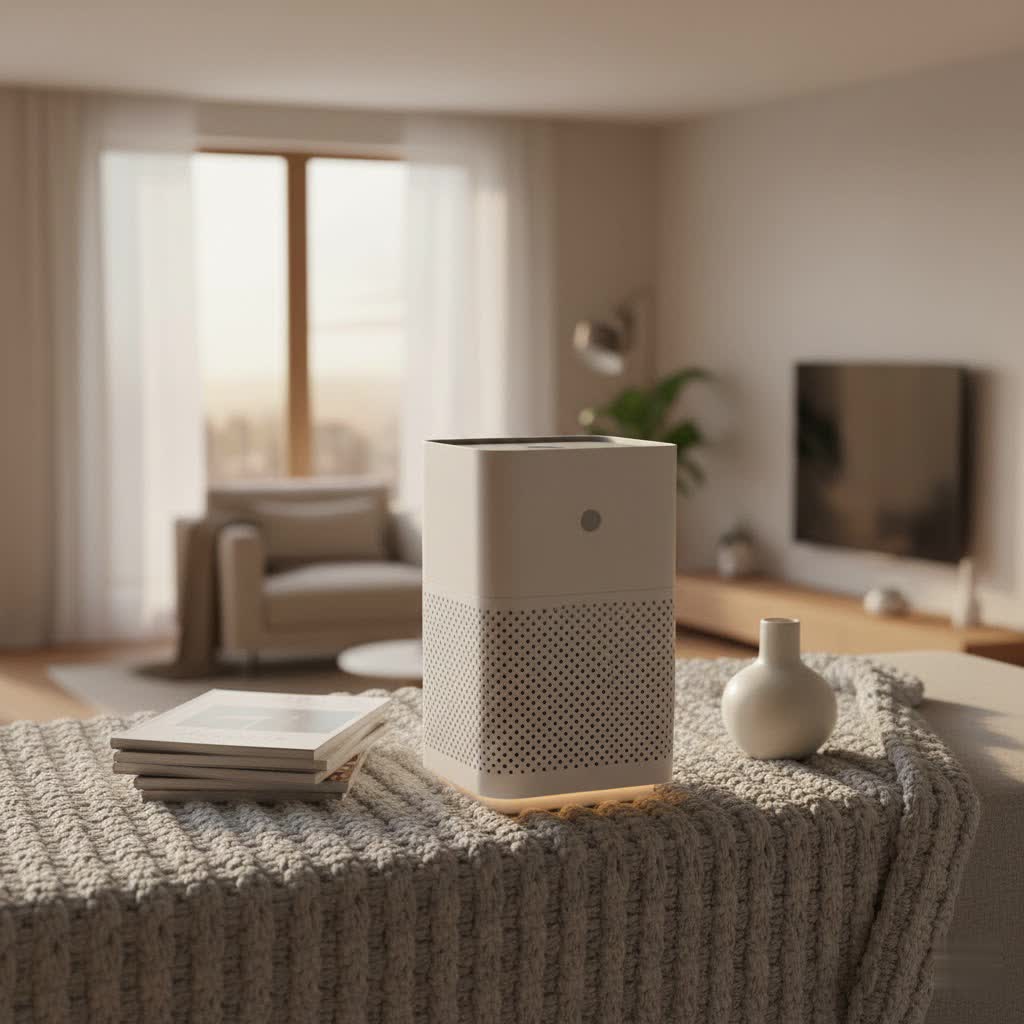
Why You Need a Whole Home Air Purifier
Indoor air pollution is a silent threat, stemming from a multitude of sources within our living environments. Cooking fumes, cleaning chemicals, pet dander, dust mites, mold spores, and even external pollutants like wildfire smoke or traffic emissions that infiltrate our homes can significantly degrade air quality. These contaminants are not merely nuisances; they pose serious health risks. Prolonged exposure to indoor air pollution has been linked to respiratory issues, exacerbated allergies and asthma symptoms, cardiovascular problems, and even cognitive decline. The World Health Organization estimates millions of deaths globally each year are attributable to household air pollution.
A whole home air purifier tackles these issues head-on by actively removing a broad spectrum of airborne pollutants. These systems are adept at capturing microscopic particles such as dust, pollen, pet dander, and mold spores, which are common triggers for allergies and asthma. Beyond particulates, advanced systems can target gaseous pollutants and odors, including VOCs from paints and furniture, cooking smells, and pet odors. Some technologies even neutralize airborne bacteria and viruses, offering an additional layer of protection against pathogens. By continuously scrubbing the air that circulates throughout your entire house, these purifiers contribute to a healthier indoor environment, reducing symptoms for allergy sufferers and those with respiratory conditions, and generally fostering a fresher, cleaner living space for everyone.
Types of Whole Home Air Purifiers and How They Work
Understanding the distinction between portable and whole home air purifiers is crucial. While portable units are designed to clean the air in a single room, whole home systems are integrated directly into your home’s heating, ventilation, and air conditioning (HVAC) ductwork. This integration allows them to filter all the air that circulates through your central heating and cooling system, providing consistent purification across every room.
Several key filtration technologies are employed in whole home air purifiers, often in combination, to provide comprehensive air treatment:
HEPA Filtration
|
Our Picks for the Best Air Purifier in 2026
As an Amazon Associate I earn from qualifying purchases.
|
||
| Num | Product | Action |
|---|---|---|
| 1 | LEVOIT Air Purifiers for Home Large Room Up to 1875 Ft² with Washable Pre-Filter, AHAM VERIFIDE, Air Quality Monitor, HEPA Sleep Mode for Allergies, Pet Hair in Bedroom, Vital 200S-P, White |

|
| 2 | Air Purifiers for Home with H13 Quiet HEPA Filter, Up to 1076 Ft² for Pet Hair, Odors, Pollen, Smoke, Compact Air Cleaner with 3 Speeds, Timer, Aroma Quiet 360°Intake Filter, White |
|
| 3 | LEVOIT Air Purifier for Home Bedroom Dorm Room, Smart WiFi Alexa Control, AHAM VERIFIDE, 3-in-1 Filter with HEPA Sleep Mode for Allergens, Pollutants, Smoke, Dust, Core 200S-P, White |
|
| 4 | LEVOIT Air Purifiers for Bedroom Home Dorm, AHAM VERIFIED, 3-in-1 Filter Claener with Fragrance Sponge, Portable Filters Smoke, Allergens, Pet Dander, Odor, Dust, Office, Desktop, Core Mini-P, White |
|
| 5 | Afloia Air Purifiers for Home Bedroom Large Room Up to 1076 Ft², 3-Stage Filter Cleaner Odor Eliminator, Remove Pets Dust Dander Hair Allergy Mold Pollen Smoke Smell, Quiet 22 dB, 7 Colors Night Light |
|
| 6 | LEVOIT Air Purifier for Home Allergies Pet Hair in Bedroom, Covers Up to 1073 ft² by 56W High Torque Motor, AHAM VERIFIDE, 3-in-1 Filter with HEPA Sleep Mode, Remove Dust Smoke Odor, Core300-P, White |
|
| 7 | KNKA Air Purifier for Home Bedroom Large Room Up to 3,500 Ft², HEPA Air Cleaner with Washable Pre-Filter, AHAM VERIFIDE, AQI Display, ECO Mode, Pet Mode for Pets, Allergies, Dust, Pollen, APH4000 |
|
| 8 | Air Purifiers for Home Large Room, Cover Up to 2400 Ft² with True HEPA Filter, Smart Mode, PM2.5 Air Quality Display, 22dB Sleep Mode, Aromatherapy with 2X-Purification & 360°Air Outlet, HAP603, White |
|
| 9 | Air Purifiers for Home Pets Covers Up to 1500 Sq Ft,H13 Hepa Filter with Washable Pre-Filter,Pet Hair Dander Smoke Air Cleaner,22 dB Quiet Sleep for Living Room Bedroom Kitchen,P280 (Black) |
|
| 10 | Air Purifiers for Bedroom, FULMINARE H13 True HEPA Air Filter, Quiet Air Cleaner With Night Light,Portable Small Air Purifier for Home, Office, Living Room |
|
HEPA (High-Efficiency Particulate Air) filters are considered the gold standard for particulate removal. They consist of a dense mat of randomly arranged fiberglass fibers designed to trap 99.97% of airborne particles as small as 0.3 microns. This includes common allergens like dust, pollen, pet dander, mold spores, and even smoke particles. HEPA filters work by mechanical means, physically capturing particles as air passes through them. While incredibly effective against solid particulates, HEPA filters do not remove gases or odors.
Activated Carbon Filtration
Activated carbon filters excel where HEPA filters fall short: removing gases, volatile organic compounds (VOCs), and odors. Activated carbon is highly porous, with millions of tiny adsorptive sites that chemically bond with gaseous molecules. This makes them highly effective for eliminating smells from cooking, pets, smoke, and chemical fumes from cleaning products or new furnishings. Often, activated carbon layers are paired with HEPA filters to offer a dual-action approach, tackling both solid particles and gaseous pollutants.
UVGI (Ultraviolet Germicidal Irradiation)
UVGI systems utilize UV-C light to neutralize airborne microorganisms. As air passes through the purifier, it is exposed to ultraviolet light, which damages the DNA of bacteria, viruses, and mold spores, preventing them from reproducing and spreading. While UVGI is effective at sterilizing pathogens, it does not remove particles or odors from the air. In whole home systems, UV lights are often installed near the HVAC coil to prevent mold growth, thus improving air quality and system efficiency.
MERV-Rated Filters (HVAC)
Minimum Efficiency Reporting Value (MERV) ratings indicate an air filter’s effectiveness in capturing larger particles (0.3 to 10 microns). For whole home air purification integrated with HVAC systems, high-MERV filters (typically MERV 13 to 16 for residential use) are crucial. A higher MERV rating means the filter can trap a greater percentage of smaller particles, including pollen, pet dander, mold spores, and fine dust. It’s important to choose an appropriate MERV rating that balances filtration efficiency with your HVAC system’s capacity, as excessively high MERV filters can sometimes restrict airflow if your system isn’t designed for it.
Other Technologies
While less common for whole-home HVAC integration, other filtration methods exist. Ionization purifiers use high voltage to electrically charge particles, causing them to clump together or stick to surfaces. Electrostatic precipitators also use an electric charge to capture particles. However, some experts caution against certain ionic purifiers due to the potential for ozone byproduct generation, which itself is an air pollutant. For comprehensive whole home solutions, HEPA, activated carbon, and UVGI, often in combination, are generally recommended and widely integrated with HVAC systems.
Comparison of Whole Home Air Purification Technologies
To help you discern which technologies best suit your needs, here’s a comparative overview of the primary whole home air purification methods:
| Feature | HEPA Filter | Activated Carbon Filter | UVGI (UV-C Light) | High-MERV Filter |
|---|---|---|---|---|
| Particle Removal | Excellent (down to 0.3µm) | Poor | Poor | Good to Excellent (varies by MERV) |
| Odor/VOC Removal | Poor | Excellent | Poor | Poor |
| Germ/Virus Inactivation | Indirect (traps them) | Poor | Excellent (sterilizes) | Indirect (traps them) |
| Primary Placement | Standalone units or HVAC add-on | Standalone units or HVAC add-on | HVAC ductwork near coil | HVAC system’s filter slot |
| Maintenance | Regular filter replacement | Regular filter replacement | Bulb replacement (yearly) | Regular filter replacement |
| Ozone Byproduct | No | No | No (when properly shielded) | No |
Choosing a whole home system often involves a combination of these technologies to address a wider range of indoor air quality issues effectively. For instance, a HEPA or high-MERV filter paired with an activated carbon filter can handle both particulates and odors, while adding a UV-C light can further protect against microbial threats.
Top Whole Home Air Purifier Solutions
When considering whole home air purifiers, the focus shifts from individual room units to integrated solutions that work with your existing HVAC system. These systems offer unparalleled coverage and efficiency because they treat the air as it cycles through your home’s ductwork. Leading HVAC manufacturers like Carrier, for example, offer comprehensive solutions designed specifically for whole-house integration.
Products such as Carrier’s Infinity Air Purifier or their Performance Carbon Air Purifier with UV exemplify integrated whole-home solutions. The Infinity Air Purifier utilizes advanced MERV 15 technology, capable of capturing a high percentage of small airborne particles, while the Carbon Air Purifier with UV combines activated carbon for odor and VOC reduction with UV-C light for germicidal action. These systems are designed to seamlessly fit into your HVAC system, ensuring that every cubic foot of air circulated is cleaned.
While dedicated HVAC-integrated purifiers are the definitive “whole home” solution, some high-capacity portable air purifiers are marketed as suitable for “large spaces” or even “whole home” in the context of open-plan living. For example, the Coway Airmega 400S, often recommended by review sites for large areas, can purify a significant square footage. However, it’s crucial to understand that even the most powerful portable unit will only purify the air in its immediate vicinity and the air that naturally flows into that space, rather than actively filtering all the air circulated throughout a ducted home like an HVAC-integrated system. Therefore, for truly comprehensive, consistent whole-home purification, an HVAC-integrated system remains the superior choice. The cost for these integrated systems typically ranges from $1,000 to $3,000 for installation, varying based on the system type and installation complexity, in addition to the unit’s price and ongoing filter replacement costs.
How to Choose the Right Whole Home Air Purifier
Selecting a whole home air purifier involves several considerations to ensure it effectively meets your household’s unique needs. Unlike portable units, whole home systems require careful planning due to their integration with your existing HVAC infrastructure.
Home Size and HVAC Compatibility
The primary factor is ensuring the chosen system is compatible with your home’s HVAC unit and ductwork. Whole home purifiers are typically rated for specific airflow capacities, which should match your HVAC system to maintain optimal performance and avoid restricting airflow. Professional assessment and installation are highly recommended to guarantee seamless integration and efficient operation. An undersized system won’t purify effectively, while an oversized one might be an unnecessary expense.
Specific Air Quality Concerns
Identify your most pressing air quality issues:
- Allergies or Dust: If your primary concern is allergies, asthma, or general dust, prioritize systems with high-efficiency HEPA filters or high-MERV (13-16) rated HVAC filters. These are excellent at trapping particulate matter like pollen, pet dander, mold spores, and fine dust.
- Odors or Chemicals (VOCs): For issues with pet odors, cooking smells, smoke, or chemical fumes from cleaning products and new furniture, an activated carbon filtration component is essential. Carbon filters chemically absorb these gaseous pollutants.
- Germs and Viruses: If you are particularly concerned about airborne bacteria and viruses, especially during cold and flu season, look for systems that incorporate UVGI (UV-C light) technology. This can provide an extra layer of protection by inactivating pathogens.
Budget Considerations
Your budget should encompass not only the initial purchase and installation cost but also the ongoing operational expenses. Installation for HVAC-integrated systems can range from $1,000 to $3,000, depending on the system type and complexity. Filter replacement costs are also a recurring expense. While higher-end models may have a steeper upfront cost, they often offer enhanced efficiency, superior filtration, and potentially lower long-term energy consumption or less frequent filter changes.
Essential Features
Modern whole home air purifiers come with a variety of features that enhance convenience and effectiveness:
- Air Quality Monitors: Many systems include sensors that provide real-time feedback on your indoor air quality, often displayed on a control panel or linked to a smart home app.
- Automatic Mode: This feature allows the purifier to automatically adjust its fan speed and filtration intensity based on detected pollution levels, ensuring optimal performance without constant manual adjustment.
- Filter Replacement Indicators: These alerts notify you when it’s time to change filters, ensuring your system continues to operate efficiently.
- Smart Home Integration: App control, remote monitoring, and voice command compatibility offer convenience and allow you to manage your air quality from anywhere.
- Quiet Operation: While HVAC-integrated units are typically less of a concern for noise as they are in a utility space, for any supplemental portable units, noise level (measured in decibels, dBA) is a key factor, especially if placed in living or sleeping areas.
Careful consideration of these factors will guide you toward a whole home air purifier that effectively addresses your specific air quality concerns and seamlessly integrates into your lifestyle.
Tips for Using and Maintaining Your Whole Home Air Purifier
To ensure your whole home air purification system operates at peak efficiency and provides the cleanest air possible, proper use and regular maintenance are crucial.
Professional Installation
For HVAC-integrated whole home air purifiers, professional installation is not just recommended, it’s essential. A certified HVAC technician will ensure the system is correctly sized, properly installed into your ductwork, and seamlessly integrated with your existing heating and cooling system. Incorrect installation can lead to reduced airflow, decreased purification efficiency, or even damage to your HVAC unit. They will also ensure optimal placement within the ductwork for maximum air purification coverage throughout your home.
Regular Filter Replacement
The filters are the heart of your air purifier, and their effectiveness diminishes over time as they become saturated with trapped pollutants. The frequency of filter replacement varies depending on the type of filter, usage patterns, and the overall air quality in your home.
- HVAC Filters: High-MERV filters in your HVAC system generally need to be replaced every 6 to 12 months.
- Dedicated Purifier Filters (HEPA, Carbon): Filters within a dedicated whole home air purifier unit might require replacement more frequently, often every 3 to 6 months.
- UV-C Bulbs: UV-C bulbs in germicidal systems typically need replacement annually, as their germ-killing intensity fades even if the light remains visible.
Pay attention to your system’s filter replacement indicators or companion app notifications. Signs like reduced airflow from your vents, a noticeable increase in indoor odors, or visible dirt buildup on the filter itself are also strong indications that it’s time for a change. Ignoring filter changes can lead to diminished performance, increased energy consumption, and potentially re-releasing trapped pollutants back into your air.
Optimal System Operation
For a whole home air purifier to work effectively, your HVAC system needs to be actively circulating air.
- Run Your HVAC Fan: Instead of leaving your HVAC system’s fan setting on “auto” (which only circulates air when heating or cooling is active), consider running it on the “on” setting. This ensures continuous air circulation through the purification system, providing ongoing air cleaning even when your furnace or AC isn’t running.
- Keep Windows and Doors Closed: For optimal efficiency, especially during periods of high outdoor pollution (e.g., allergy season, wildfire smoke), keep windows and doors closed to prevent new pollutants from entering and overwhelming the system.
Complementary Practices
While a whole home air purifier is a powerful tool, it works best as part of a holistic approach to indoor air quality.
- Regular Cleaning: Routinely sweep, vacuum (preferably with a HEPA-filtered vacuum), and dust surfaces in your home. This helps reintroduce settled particles into the air where your purifier can then capture them.
- Source Control: Minimize sources of indoor pollution by using exhaust fans when cooking, choosing low-VOC cleaning products, and maintaining proper ventilation in high-humidity areas to prevent mold growth.
By adhering to these usage and maintenance tips, you can maximize the benefits of your whole home air purifier, ensuring a continuous supply of cleaner, healthier air throughout your entire living space.
Frequently Asked Questions About Whole Home Air Purifiers
Do whole home air purifiers really work?
Yes, whole home air purifiers, especially those integrated with your HVAC system, are highly effective. They continuously filter the air circulating throughout your entire home, removing a wide range of pollutants like dust, allergens, odors, and even microorganisms, leading to significantly improved indoor air quality.
How much does a whole home air purifier cost?
The cost of a whole home air purifier varies. The unit itself can range from a few hundred to over a thousand dollars, and professional installation, which is highly recommended for HVAC integration, typically adds between $1,000 to $3,000, depending on the system’s complexity and your home’s setup.
Can I install a whole home air purifier myself?
While some basic filter upgrades might be DIY, the installation of a comprehensive whole home air purification system into your HVAC ductwork is best left to a certified HVAC professional. Proper integration ensures optimal performance, avoids damage to your HVAC system, and maintains any warranties.
How often should I change filters in a whole home air purifier?
Filter replacement frequency depends on the specific type of filter and your home’s air quality, but generally ranges from every 3 to 12 months. High-MERV HVAC filters often last 6-12 months, while dedicated HEPA or carbon filters in a unit might need changing every 3-6 months. UV-C bulbs usually need annual replacement.
Do whole home air purifiers increase or decrease oxygen in the room?
Whole home air purifiers do not affect the oxygen levels in your home. They work by recirculating the existing air and removing pollutants through filtration or inactivation, rather than adding or removing oxygen from the environment.
Conclusion
Investing in a whole home air purifier is a powerful step towards creating a healthier and more comfortable living environment for you and your family. By integrating seamlessly with your HVAC system, these advanced solutions offer continuous, comprehensive air purification across every room, effectively combating a wide array of indoor pollutants from allergens and odors to harmful airborne pathogens. Understanding the different filtration technologies, choosing a system tailored to your specific needs, and committing to routine maintenance are key to maximizing its benefits. With cleaner air circulating throughout your home, you’ll not only experience relief from common irritants but also contribute to long-term well-being. What steps will you take today to ensure the air you breathe at home is the cleanest it can be?
