In our quest for cleaner indoor environments, air purifiers have become essential household devices. While many focus on filtering out dust and allergens, a specialized type—the Uv Air Purifier—steps in to tackle an invisible threat: airborne pathogens. Designed to neutralize viruses, bacteria, and mold, UV air purifiers add a powerful layer of protection to your home’s air quality. Understanding how these innovative devices work, their benefits, and potential considerations is key to making an informed choice for healthier living.
What is a UV Air Purifier and How Does it Work?
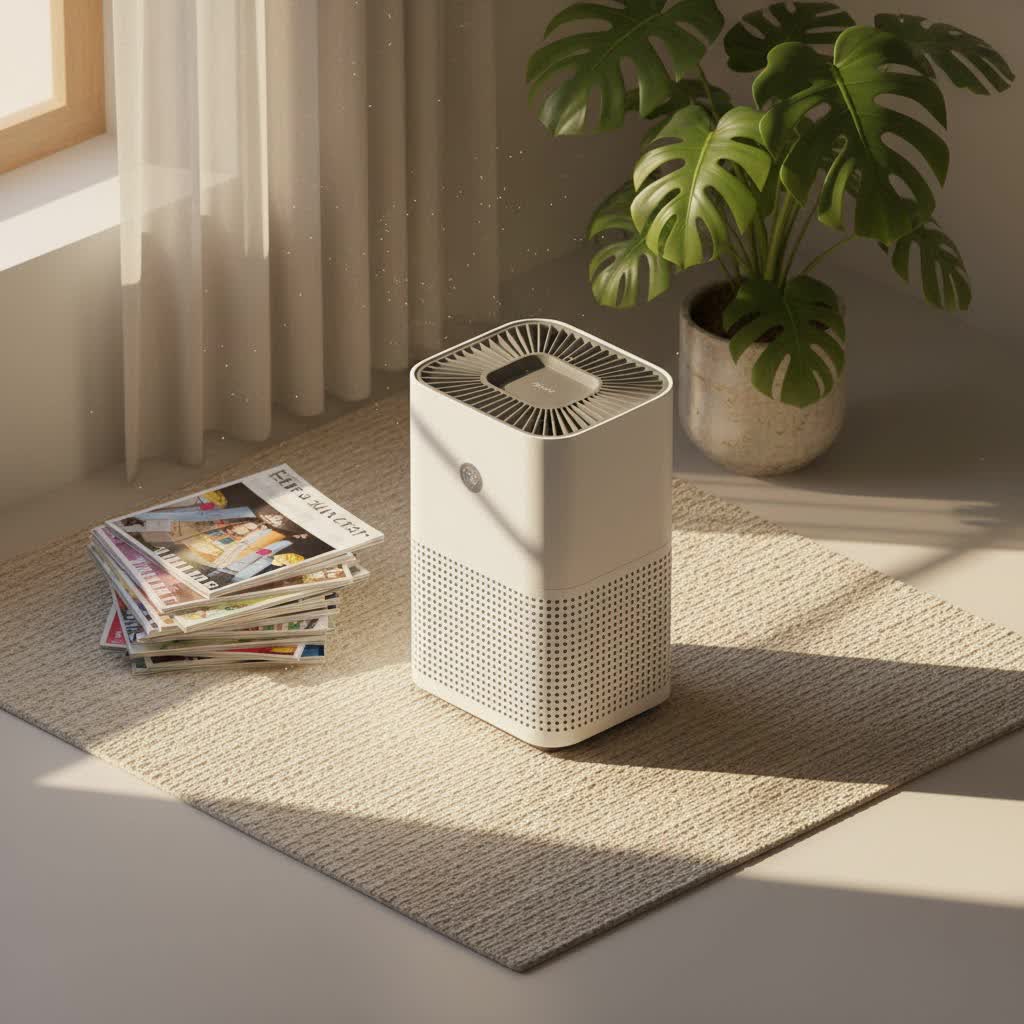
A UV air purifier utilizes ultraviolet-C (UV-C) light to sanitize the air, specifically targeting biological contaminants. Unlike traditional filters that physically trap particles, UV-C light works at a molecular level to inactivate microorganisms. As air is drawn into the unit, it passes through a chamber where it is exposed to germicidal UV-C lamps. This high-energy light penetrates the cells of airborne bacteria, viruses, and mold spores, damaging their DNA or RNA. Once their genetic material is compromised, these pathogens are rendered unable to reproduce or cause harm, effectively sterilizing them. This process significantly reduces the spread of airborne illnesses and improves the biological purity of your indoor air.
Why Consider a UV Air Purifier?
The primary advantage of a UV air purifier lies in its ability to combat living microorganisms that filters alone might miss or simply collect. In a world where concerns about airborne viruses and bacteria are ever-present, a UV air purifier offers a crucial defense. It actively neutralizes pathogens, helping to reduce the transmission of colds, flu, and other respiratory infections within your home. For individuals prone to allergies or asthma exacerbated by mold spores and other biological irritants, a UV component can offer significant relief by destroying these triggers. By integrating UV-C technology, you’re not just moving air; you’re actively purifying it from threats that can impact your health and well-being.
The Role of UV-C Light in Air Purification
UV-C light, a specific wavelength of ultraviolet light (typically between 200-280 nanometers), is renowned for its germicidal properties. This technology, often referred to as UV Germicidal Irradiation (UVGI), has been utilized for decades in hospitals, laboratories, and water treatment facilities for its proven effectiveness in disinfection. In air purifiers, the UV-C lamp emits this high-energy light within a contained chamber, ensuring that airborne microorganisms receive a sufficient dose to be inactivated. It’s a silent, unseen process that works continuously to break down the reproductive capabilities of harmful pathogens, transforming your indoor air into a safer, cleaner environment.
Understanding the Different Types of UV Air Purifiers
UV air purifiers come in several configurations to suit various needs and spaces. The most common are:
- Standalone Units: These are portable or tower-style devices that typically combine UV-C technology with other filtration methods like HEPA filters and activated carbon. This multi-stage approach ensures both physical particle removal and biological pathogen inactivation. They are ideal for individual rooms or open-plan living areas where localized air purification is desired.
- HVAC Integrated Systems: For a whole-house solution, UV-C lights can be installed directly within your home’s heating, ventilation, and air conditioning (HVAC) ductwork. As air circulates through the HVAC system, it passes by the UV-C lamps, disinfecting the air before it’s distributed throughout your home. This provides continuous, unobtrusive air purification for your entire living space.
Pros and Cons of UV Air Purifiers
Like any technology, UV air purifiers offer distinct advantages and some considerations:
Pros:
- Effective Against Biological Contaminants: Highly efficient at neutralizing viruses, bacteria, mold, and other airborne pathogens.
- Reduces Illness Spread: Can significantly decrease the transmission of airborne diseases in indoor environments.
- Quiet Operation: The UV-C lamps themselves are silent, and many combined units are designed for low-noise performance.
- Chemical-Free Disinfection: Uses light rather than chemicals to purify the air, avoiding added chemical compounds.
Cons:
- No Particle or Gas Removal on Their Own: Standalone UV-C systems do not filter dust, pollen, pet dander, or absorb odors and Volatile Organic Compounds (VOCs). They must be combined with HEPA and activated carbon filters for comprehensive purification.
- Potential Ozone Production: Some older or poorly designed UV-C lamps can produce ozone, a lung irritant, as a byproduct.
- Effectiveness Factors: The intensity of the UV-C light and the duration of air exposure are critical for effective pathogen inactivation.
- UV Lamp Replacement: UV-C bulbs have a finite lifespan and need to be replaced periodically to maintain effectiveness.
Navigating the Ozone Concern: Safety and Certification
One of the most significant concerns regarding UV air purifiers is the potential for ozone production. Ozone (O3) is a gas that, at ground level, can be a lung irritant and a harmful air pollutant. It can cause coughing, sore throats, chest pain, and worsen respiratory conditions like asthma. Some UV-C lamps, particularly those that emit wavelengths below 200 nanometers (like 185 nm), can react with oxygen (O2) in the air to form ozone.
However, it’s crucial to understand that not all UV-C lamps produce ozone. Modern, reputable UV air purifiers are designed with lamps that emit UV-C at a wavelength of 254 nanometers, which does not typically produce ozone. When choosing a UV air purifier, always look for devices explicitly advertised as “ozone-free” or those certified by regulatory bodies such as the California Air Resources Board (CARB). CARB certification ensures that the device meets strict emissions limits for ozone, providing peace of mind about its safety. Prioritizing certified, ozone-free options is essential for protecting your family’s respiratory health.
UV Air Purifiers vs. Other Technologies (HEPA, Activated Carbon)
To achieve truly comprehensive indoor air purification, UV-C technology is best utilized as part of a multi-stage filtration system rather than as a standalone solution. Each technology addresses different types of pollutants:
- UV-C Light: Excels at inactivating biological contaminants like viruses, bacteria, and mold spores. It’s the go-to for germicidal action.
- HEPA Filters: (High-Efficiency Particulate Air) are designed to capture microscopic particulate matter, including dust, pollen, pet dander, and other allergens, down to 0.3 microns with 99.97% efficiency. They physically remove airborne particles.
- Activated Carbon Filters: Are highly effective at adsorbing gases, odors, and Volatile Organic Compounds (VOCs) from the air. This includes smoke, cooking smells, pet odors, and chemical fumes from cleaning products or new furnishings.
The optimal air purification system often combines these methods: a pre-filter to catch large particles, a HEPA filter for fine particulates, an activated carbon filter for gases and odors, and a UV-C light for sterilizing biological threats. This synergistic approach ensures the broadest spectrum of protection against indoor air pollutants.
How to Choose the Right UV Air Purifier
Selecting the ideal UV air purifier involves considering your specific needs and the features available:
- Look for Multi-Stage Filtration: Prioritize units that include HEPA and activated carbon filters alongside UV-C light. This ensures comprehensive protection against particles, gases, and biological pathogens.
- Verify Ozone-Free Certification: Always check for certifications like CARB (California Air Resources Board) or explicit “ozone-free” claims from reputable manufacturers.
- Consider Room Size (CADR): While UV-C’s effectiveness isn’t directly measured by CADR (Clean Air Delivery Rate), for combined units, the CADR rating indicates how quickly the device can filter particles in a given room size. Match the purifier’s coverage area to your room dimensions.
- Evaluate Features: Look for smart features like air quality sensors that auto-adjust fan speed, quiet operation modes for bedrooms, timer functions, and filter/UV bulb replacement indicators for convenience.
- Brand Reputation: Choose products from well-known and trusted brands with positive reviews and strong customer support.
Maintenance Tips for Your UV Air Purifier
Proper maintenance ensures your UV air purifier continues to operate effectively and efficiently:
- UV Lamp Replacement: UV-C bulbs have a lifespan, typically 10,000 to 12,000 hours (about 1-1.5 years of continuous use). Replace the bulb according to the manufacturer’s recommendations to maintain germicidal effectiveness.
- Filter Maintenance: If your UV purifier includes HEPA and activated carbon filters, follow the replacement schedule for these components (usually every 6-12 months, depending on usage and air quality). Regularly cleaning pre-filters (if washable) can extend the life of other filters.
- Optimal Placement: For standalone units, place the purifier in a central location within the room, away from walls or obstructions, to allow for maximum air circulation.
Frequently Asked Questions About UV Air Purifiers
Do UV air purifiers replace HEPA filters?
|
Our Picks for the Best Air Purifier in 2026
As an Amazon Associate I earn from qualifying purchases.
|
||
| Num | Product | Action |
|---|---|---|
| 1 | Afloia Air Purifiers for Home Bedroom Large Room Up to 1076 Ft², 3-Stage Filter Cleaner Odor Eliminator, Remove Pets Dust Dander Hair Allergy Mold Pollen Smoke Smell, Quiet 22 dB, 7 Colors Night Light |

|
| 2 | KNKA Air Purifier for Home Bedroom Large Room Up to 3,500 Ft², HEPA Air Cleaner with Washable Pre-Filter, AHAM VERIFIDE, AQI Display, ECO Mode, Pet Mode for Pets, Allergies, Dust, Pollen, APH4000 |
|
| 3 | Air Purifiers for Home Large Room, Cover Up to 2400 Ft² with True HEPA Filter, Smart Mode, PM2.5 Air Quality Display, 22dB Sleep Mode, Aromatherapy with 2X-Purification & 360°Air Outlet, HAP603, White |
|
| 4 | Air Purifiers for Home Pets Covers Up to 1500 Sq Ft,H13 Hepa Filter with Washable Pre-Filter,Pet Hair Dander Smoke Air Cleaner,22 dB Quiet Sleep for Living Room Bedroom Kitchen,P280 (Black) |
|
| 5 | Air Purifiers for Bedroom, FULMINARE H13 True HEPA Air Filter, Quiet Air Cleaner With Night Light,Portable Small Air Purifier for Home, Office, Living Room |
|
| 6 | LEVOIT Air Purifiers for Home Large Room Up to 1875 Ft² with Washable Pre-Filter, AHAM VERIFIDE, Air Quality Monitor, HEPA Sleep Mode for Allergies, Pet Hair in Bedroom, Vital 200S-P, White |
|
| 7 | LEVOIT Air Purifier for Home Bedroom Dorm Room, Smart WiFi Alexa Control, AHAM VERIFIDE, 3-in-1 Filter with HEPA Sleep Mode for Allergens, Pollutants, Smoke, Dust, Core 200S-P, White |
|
| 8 | LEVOIT Air Purifier for Home Allergies Pet Hair in Bedroom, Covers Up to 1073 ft² by 56W High Torque Motor, AHAM VERIFIDE, 3-in-1 Filter with HEPA Sleep Mode, Remove Dust Smoke Odor, Core300-P, White |
|
| 9 | Air Purifiers for Home with H13 Quiet HEPA Filter, Up to 1076 Ft² for Pet Hair, Odors, Pollen, Smoke, Compact Air Cleaner with 3 Speeds, Timer, Aroma Quiet 360°Intake Filter, White |
|
| 10 | LEVOIT Air Purifiers for Bedroom Home Dorm, AHAM VERIFIED, 3-in-1 Filter Claener with Fragrance Sponge, Portable Filters Smoke, Allergens, Pet Dander, Odor, Dust, Office, Desktop, Core Mini-P, White |
|
No, UV air purifiers do not replace HEPA filters. UV-C light inactivates microorganisms, while HEPA filters physically trap particles like dust, pollen, and pet dander. For comprehensive air purification, a system combining both technologies is recommended.
Are UV air purifiers safe for pets and humans?
Yes, modern UV air purifiers are generally safe for pets and humans, provided they are “ozone-free” and properly contained within the device so that direct exposure to UV-C light is avoided. Always choose CARB-certified or explicitly ozone-free models.
How often should I change the UV bulb?
UV-C bulbs typically need to be replaced every 1 to 1.5 years (around 10,000-12,000 hours of use), as their germicidal effectiveness diminishes over time, even if the light still appears to be working. Refer to your specific model’s manual for precise recommendations.
Are UV air purifiers effective against all airborne pollutants?
UV air purifiers are highly effective against biological pollutants like viruses, bacteria, and mold spores. However, they are not effective against particulate matter (dust, allergens) or gaseous pollutants (odors, VOCs) on their own. They work best as part of a multi-stage system with HEPA and activated carbon filters.
Conclusion
Embracing UV air purification technology can be a game-changer for enhancing your indoor air quality, offering a robust defense against unseen airborne biological threats. By actively neutralizing viruses, bacteria, and mold, these devices contribute significantly to a healthier living environment. For optimal protection, prioritize multi-stage systems that combine UV-C light with HEPA and activated carbon filtration, and always ensure your chosen model is certified ozone-free. Investing in a comprehensive UV air purifier means investing in cleaner, safer air for you and your loved ones, allowing you to breathe easier knowing you’re well-protected. What steps will you take to safeguard your indoor air quality today?
