Imagine a device that not only cleans your floors but also purifies the air you breathe, all through the natural power of water. This is the promise of the “Rainbow Air Purifier,” a term that often refers to two distinct products: the compact Rainbow RainMate and the multi-functional Rainbow Cleaning System vacuum. While both leverage water-based technology, their effectiveness as true air purifiers warrants a closer look. Understanding their mechanisms, benefits, and limitations is crucial for anyone seeking to improve indoor air quality.
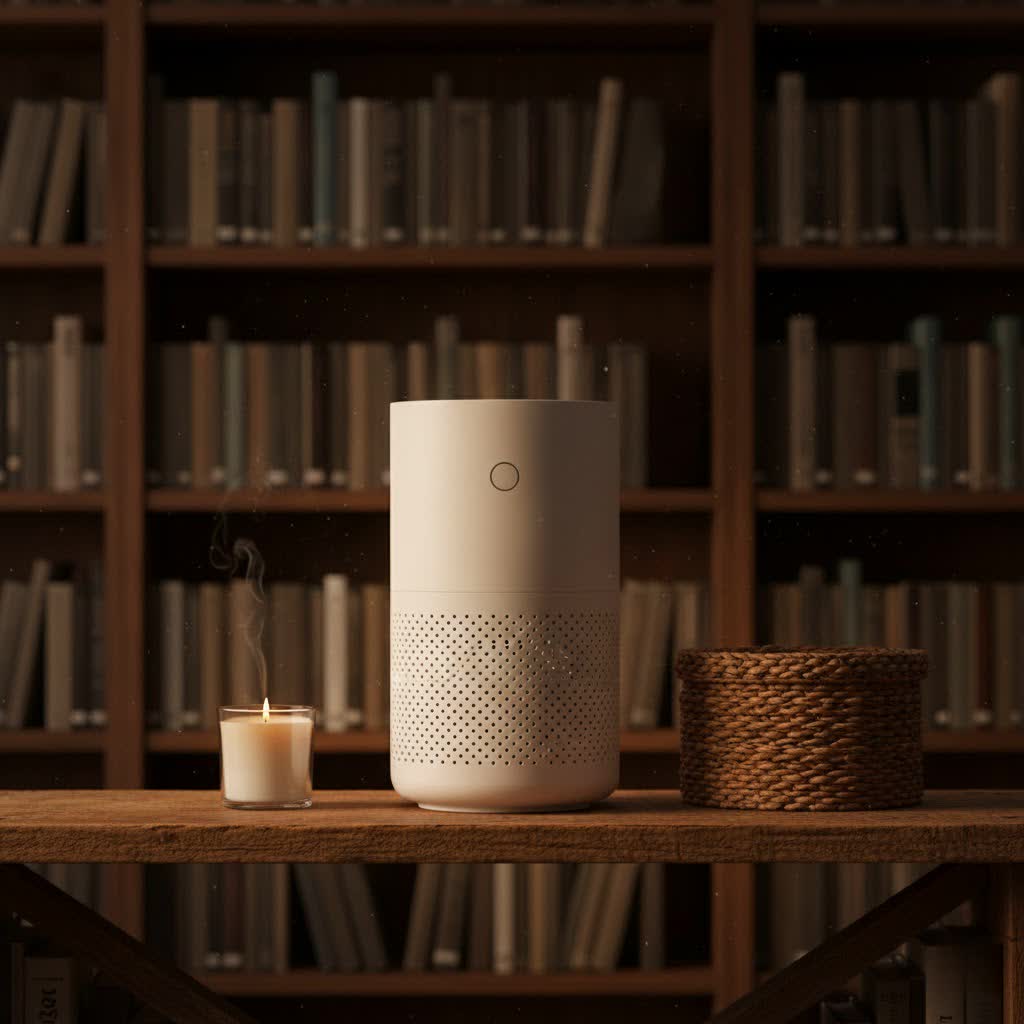
Understanding the “Rainbow Air Purifier” Concept
At its core, the Rainbow system utilizes water as its primary filter. Unlike traditional air purifiers that rely on dry filters, Rainbow products draw air into a basin of water, where airborne particles are theoretically trapped. This “water washing” principle is touted as a natural and efficient way to remove dust, allergens, and odors from the environment. This technology is applied in two main offerings:
- The Rainbow RainMate: A smaller, standalone unit designed primarily as an air freshener that uses water to circulate scented air.
- The Rainbow Cleaning System (Vacuum Cleaner): A more robust, multi-purpose appliance that functions as a vacuum cleaner but also features an “air purification mode” by circulating room air through its water basin.
The Rainbow RainMate: A Closer Look
The Rainbow RainMate is often presented as a convenient and filter-free solution for fresher indoor air. Its appeal lies in its simplicity: fill the basin with water, add a fragrance if desired, and turn it on. The swirling water is intended to capture airborne impurities.
However, independent testing paints a different picture regarding its efficacy as a serious air purifier. Many reviews suggest the RainMate is primarily a decorative fragrance diffuser, failing to significantly remove harmful particulate matter like PM1 from the air. Crucially, manufacturers typically do not provide Clean Air Delivery Rate (CADR) figures for the RainMate, a standard metric for measuring an air purifier’s effectiveness. This lack of verifiable performance data raises significant questions about its ability to clean air effectively, especially for those with allergies or asthma.
The RainMate is often acquired as a “free” or heavily discounted item during high-pressure in-home sales presentations for the much more expensive Rainbow vacuum cleaner. While its aesthetic appeal and ability to diffuse scents are acknowledged, experts generally advise against relying on it for genuine air purification.
The Rainbow Cleaning System as an Air Purifier
The Rainbow Cleaning System, primarily known as a vacuum cleaner, also promotes its capacity for air purification. This system draws air through a swirling water bath, trapping dirt, dust, and allergens. Some later models even incorporate a HEPA Neutralizer Filtration System, providing a two-stage filtration process that claims to remove nearly all dirt and contaminants.
Proponents of the Rainbow vacuum as an air purifier highlight several benefits:
- Water-based Filtration: The water naturally traps a broad range of particles, preventing them from being recirculated back into the air, a common issue with bag-based vacuums.
- Allergen Reduction: Many users report a noticeable reduction in airborne allergens like dust, pet dander, and pollen, which can alleviate symptoms for allergy and asthma sufferers.
- Odor Control: The water filtration can help neutralize odors, leaving homes smelling fresher.
- Dual Functionality: It offers the convenience of both vacuuming and air purification in a single device.
To use the Rainbow vacuum for air purification, users typically fill the water basin with clean water, attach a specialized air-cleaning nozzle, and run the machine in a strategic location within the room. Regular water changes and cleaning of the basin are essential for maintaining optimal performance. While some official sources and user testimonials vouch for its effectiveness, it’s important to consider its performance in comparison to dedicated air purifiers.
Rainbow Air Purifiers vs. Traditional HEPA Air Purifiers
When evaluating any air purification solution, a direct comparison to established technologies is essential.
Filtration Technology
- Rainbow (Water-based): Relies on water to trap particles. Some models include a secondary HEPA filter. The core principle is that “wet dust can’t fly.”
- Traditional (HEPA & Activated Carbon): Dedicated air purifiers typically use multi-stage filtration involving a True HEPA filter (capturing 99.97% of particles as small as 0.3 microns) and an activated carbon filter (absorbing gases, odors, and Volatile Organic Compounds). This combination is widely supported by academic studies for its effectiveness in removing both particulate and gaseous pollutants.
|
Our Picks for the Best Air Purifier in 2026
As an Amazon Associate I earn from qualifying purchases.
|
||
| Num | Product | Action |
|---|---|---|
| 1 | LEVOIT Air Purifier for Home Allergies Pet Hair in Bedroom, Covers Up to 1073 ft² by 56W High Torque Motor, AHAM VERIFIDE, 3-in-1 Filter with HEPA Sleep Mode, Remove Dust Smoke Odor, Core300-P, White |

|
| 2 | KNKA Air Purifier for Home Bedroom Large Room Up to 3,500 Ft², HEPA Air Cleaner with Washable Pre-Filter, AHAM VERIFIDE, AQI Display, ECO Mode, Pet Mode for Pets, Allergies, Dust, Pollen, APH4000 |
|
| 3 | Afloia Air Purifiers for Home Bedroom Large Room Up to 1076 Ft², 3-Stage Filter Cleaner Odor Eliminator, Remove Pets Dust Dander Hair Allergy Mold Pollen Smoke Smell, Quiet 22 dB, 7 Colors Night Light |
|
| 4 | Air Purifiers for Bedroom, FULMINARE H13 True HEPA Air Filter, Quiet Air Cleaner With Night Light,Portable Small Air Purifier for Home, Office, Living Room |
|
| 5 | LEVOIT Air Purifiers for Home Large Room Up to 1875 Ft² with Washable Pre-Filter, AHAM VERIFIDE, Air Quality Monitor, HEPA Sleep Mode for Allergies, Pet Hair in Bedroom, Vital 200S-P, White |
|
| 6 | LEVOIT Air Purifier for Home Bedroom Dorm Room, Smart WiFi Alexa Control, AHAM VERIFIDE, 3-in-1 Filter with HEPA Sleep Mode for Allergens, Pollutants, Smoke, Dust, Core 200S-P, White |
|
| 7 | Air Purifiers for Home Pets Covers Up to 1500 Sq Ft,H13 Hepa Filter with Washable Pre-Filter,Pet Hair Dander Smoke Air Cleaner,22 dB Quiet Sleep for Living Room Bedroom Kitchen,P280 (Black) |
|
| 8 | LEVOIT Air Purifiers for Bedroom Home Dorm, AHAM VERIFIED, 3-in-1 Filter Claener with Fragrance Sponge, Portable Filters Smoke, Allergens, Pet Dander, Odor, Dust, Office, Desktop, Core Mini-P, White |
|
| 9 | Air Purifiers for Home Large Room, Cover Up to 2400 Ft² with True HEPA Filter, Smart Mode, PM2.5 Air Quality Display, 22dB Sleep Mode, Aromatherapy with 2X-Purification & 360°Air Outlet, HAP603, White |
|
| 10 | Air Purifiers for Home with H13 Quiet HEPA Filter, Up to 1076 Ft² for Pet Hair, Odors, Pollen, Smoke, Compact Air Cleaner with 3 Speeds, Timer, Aroma Quiet 360°Intake Filter, White |
|
Effectiveness and CADR
- Rainbow RainMate: Lacks CADR ratings and independent tests show it struggles to remove fine particulate matter from the air. Its primary function leans more towards air freshening.
- Rainbow Vacuum (Air Purification Mode): While effective at trapping larger particles like dust and pet dander, its CADR for air purification is often lower than dedicated air purifiers. For example, some models have been noted to have CADR values suitable for only very small rooms (e.g., 86 CFM for 115 sq. ft.), which may not be sufficient for larger living spaces.
- Traditional HEPA Purifiers: Provide clear CADR ratings for smoke, dust, and pollen, indicating their proven ability to clean air efficiently in specific room sizes. They are designed for continuous, high-volume air filtration.
Cost and Maintenance
- Rainbow Systems: The initial investment for a Rainbow vacuum can be substantial (often in the thousands of dollars). While water filtration eliminates the need for disposable filters, regular water changes and cleaning of the basin are necessary. Maintenance of the complex vacuum system itself can also be a factor.
- Traditional HEPA Purifiers: Initial costs vary widely but can be significantly lower than a Rainbow vacuum. However, they require periodic replacement of HEPA and activated carbon filters, which adds to the long-term running cost.
Overall Value
For serious air quality concerns like allergies, asthma, or chemical sensitivities, dedicated HEPA and activated carbon air purifiers are generally recommended due to their scientifically proven filtration capabilities and higher CADR ratings. While the Rainbow vacuum offers a convenient dual function and can reduce household dust and pet dander, it may not match the comprehensive air purification power of a specialized unit. The RainMate, in particular, should not be considered a substitute for a true air purifier.
Making an Informed Decision
Choosing the right air purification solution depends on your specific needs, budget, and priorities.
- Assess Your Needs: Are you primarily concerned with dust and pet dander, or are you battling allergies, asthma, or smoke/VOCs?
- Consider Room Size: Match the device’s capacity (CADR) to the size of the room you intend to purify.
- Evaluate Cost vs. Performance: Factor in both the upfront cost and long-term maintenance. Weigh the convenience of a multi-functional device against the specialized performance of a dedicated unit.
- Seek Independent Reviews: Look for unbiased tests and reviews that provide performance data rather than relying solely on marketing claims.
Ultimately, if robust and verified air purification is your top priority, especially for health-related reasons, a high-quality HEPA air purifier is likely the most effective choice. If you already own a Rainbow vacuum and wish to maximize its capabilities, understanding its air purification mode can be a complementary benefit, but it may not fully replace a dedicated air cleaning appliance.
Conclusion
The Rainbow Air Purifier, whether referring to the RainMate or the cleaning system, offers a unique approach to indoor air quality through water-based filtration. While the Rainbow Cleaning System can contribute to a cleaner home environment by trapping dust and allergens in its water basin, the RainMate appears to function more as an air freshener than an effective air purifier. For comprehensive air purification, especially against fine particulate matter and gaseous pollutants, scientifically backed HEPA and activated carbon filters in dedicated air purifiers remain the gold standard. Making an informed choice involves carefully considering your specific needs and prioritizing proven effectiveness over perceived convenience.
What does “clean air” truly mean to you, and which path will you choose to achieve it in your home?
Frequently Asked Questions
Is the Rainbow RainMate a true air purifier?
Independent tests suggest the Rainbow RainMate is not an effective air purifier for removing harmful particulate matter. It is primarily a water-based fragrance diffuser with limited air cleaning capabilities.
How does the Rainbow vacuum purify the air?
The Rainbow vacuum cleaner uses a water-based filtration system where air is drawn through a basin of water, trapping dust, allergens, and other particles. Some models also include an additional HEPA filter for finer filtration.
Can a Rainbow vacuum replace a HEPA air purifier?
While a Rainbow vacuum can help reduce dust and allergens, its air purification capabilities are generally less efficient and comprehensive than a dedicated HEPA air purifier, especially for fine particles and gaseous pollutants.
How often should I change the water in my Rainbow for air purification?
For optimal air purification, it is recommended to change the water in your Rainbow vacuum’s basin before each use to ensure maximum filtration efficiency and prevent stale odors.
Is the Rainbow system good for people with allergies or asthma?
The Rainbow vacuum system can help reduce common allergens like dust and pet dander, which may benefit allergy and asthma sufferers. However, for severe conditions, a dedicated HEPA air purifier with a higher Clean Air Delivery Rate (CADR) is often recommended.
