Imagine waking up each morning without the constant battle against sneezing, watery eyes, or a stuffy nose. For millions of allergy sufferers, this vision feels like a distant dream. Indoor air, often thought to be a sanctuary, can frequently harbor a cocktail of invisible allergens and pollutants that trigger uncomfortable symptoms. A high-efficiency particulate air (HEPA) purifier stands as a powerful defense in creating a healthier, more breathable home environment. This comprehensive guide will delve into how these essential devices work, the benefits they offer, and how to choose the perfect HEPA air purifier to effectively combat your allergies.
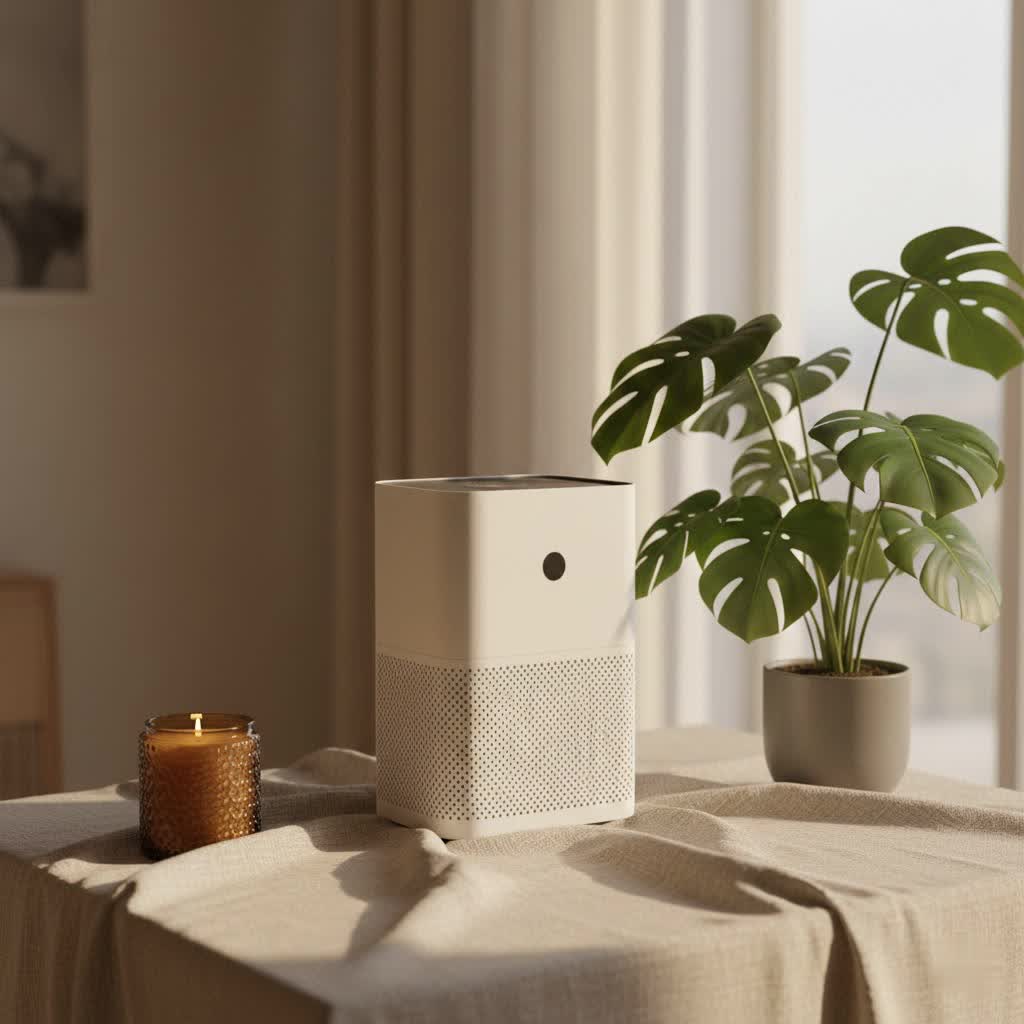
Why You Need a HEPA Air Purifier for Allergies
The air inside your home can be surprisingly more polluted than the air outside. Everyday activities and common household items release tiny particles that can significantly impact your health, especially if you suffer from allergies or asthma. Sources like pet dander, dust mites, pollen tracked in from outdoors, and mold spores can accumulate rapidly in stagnant indoor environments. These microscopic invaders irritate your respiratory system, leading to persistent symptoms such as sneezing, nasal congestion, itchy eyes, and even worsening asthma attacks. A HEPA air purifier actively removes these airborne triggers, offering a continuous cycle of clean air and profound relief.
Understanding HEPA Technology: Your Allergy Shield
At the heart of an effective air purifier for allergies lies True HEPA technology. HEPA stands for High-Efficiency Particulate Air, a standard for filtration established by the U.S. Department of Energy. To earn this designation, a filter must be capable of capturing at least 99.97% of airborne particles that are 0.3 microns in size. To put this in perspective, many common allergens, such as pollen (10-100 microns), mold spores (3-40 microns), pet dander (2.5-10 microns), and dust mites (10-40 microns), are significantly larger than this threshold, making True HEPA filters exceptionally effective at trapping them.
HEPA filters work through a dense, web-like mat of fibers. As air is drawn through the filter, particles are trapped by three primary mechanisms:
- Interception: Larger particles follow the airflow and adhere to the fibers.
- Impaction: Particles too large to navigate the filter’s winding paths collide with the fibers and stick.
- Diffusion: Smaller, ultrafine particles move erratically and are more likely to collide with fibers and become trapped.
It is crucial to distinguish between “True HEPA” and terms like “HEPA-type” or “HEPA-like” filters. The latter often do not meet the strict efficiency benchmarks of True HEPA and may provide significantly lower protection against fine allergen-sized particles. Always look for “True HEPA” certification for optimal allergy relief.
Beyond HEPA: Multi-Stage Filtration for Comprehensive Relief
While the True HEPA filter is the star for particulate allergens, the most advanced and effective air purifiers for allergies employ a multi-stage filtration system. This layered approach ensures comprehensive air purification, addressing a wider spectrum of indoor pollutants.
Pre-Filters
|
Our Picks for the Best Air Purifier in 2026
As an Amazon Associate I earn from qualifying purchases.
|
||
| Num | Product | Action |
|---|---|---|
| 1 | KNKA Air Purifier for Home Bedroom Large Room Up to 3,500 Ft², HEPA Air Cleaner with Washable Pre-Filter, AHAM VERIFIDE, AQI Display, ECO Mode, Pet Mode for Pets, Allergies, Dust, Pollen, APH4000 |

|
| 2 | LEVOIT Air Purifier for Home Allergies Pet Hair in Bedroom, Covers Up to 1073 ft² by 56W High Torque Motor, AHAM VERIFIDE, 3-in-1 Filter with HEPA Sleep Mode, Remove Dust Smoke Odor, Core300-P, White |
|
| 3 | Air Purifiers for Home Pets Covers Up to 1500 Sq Ft,H13 Hepa Filter with Washable Pre-Filter,Pet Hair Dander Smoke Air Cleaner,22 dB Quiet Sleep for Living Room Bedroom Kitchen,P280 (Black) |
|
| 4 | LEVOIT Air Purifiers for Home Large Room Up to 1875 Ft² with Washable Pre-Filter, AHAM VERIFIDE, Air Quality Monitor, HEPA Sleep Mode for Allergies, Pet Hair in Bedroom, Vital 200S-P, White |
|
| 5 | LEVOIT Air Purifiers for Bedroom Home Dorm, AHAM VERIFIED, 3-in-1 Filter Claener with Fragrance Sponge, Portable Filters Smoke, Allergens, Pet Dander, Odor, Dust, Office, Desktop, Core Mini-P, White |
|
| 6 | LEVOIT Air Purifier for Home Bedroom Dorm Room, Smart WiFi Alexa Control, AHAM VERIFIDE, 3-in-1 Filter with HEPA Sleep Mode for Allergens, Pollutants, Smoke, Dust, Core 200S-P, White |
|
| 7 | Air Purifiers for Home Large Room, Cover Up to 2400 Ft² with True HEPA Filter, Smart Mode, PM2.5 Air Quality Display, 22dB Sleep Mode, Aromatherapy with 2X-Purification & 360°Air Outlet, HAP603, White |
|
| 8 | Air Purifiers for Bedroom, FULMINARE H13 True HEPA Air Filter, Quiet Air Cleaner With Night Light,Portable Small Air Purifier for Home, Office, Living Room |
|
| 9 | Air Purifiers for Home with H13 Quiet HEPA Filter, Up to 1076 Ft² for Pet Hair, Odors, Pollen, Smoke, Compact Air Cleaner with 3 Speeds, Timer, Aroma Quiet 360°Intake Filter, White |
|
| 10 | Afloia Air Purifiers for Home Bedroom Large Room Up to 1076 Ft², 3-Stage Filter Cleaner Odor Eliminator, Remove Pets Dust Dander Hair Allergy Mold Pollen Smoke Smell, Quiet 22 dB, 7 Colors Night Light |
|
The first line of defense, pre-filters, are designed to capture larger particles such as visible dust, pet hair, and lint. This not only removes bulkier debris from the air but also protects the more delicate True HEPA filter from premature clogging, extending its lifespan and maintaining overall efficiency.
Activated Carbon Filters
Often underestimated, activated carbon filters play a critical role in addressing gaseous pollutants that True HEPA filters cannot capture. These filters are made from highly porous carbon that has been treated to increase its surface area, allowing it to chemically adsorb (bind to) odors, volatile organic compounds (VOCs), and other harmful gases. VOCs are emitted from everyday items like cleaning products, paints, furniture, and even cooking, and can be significant triggers for sensitive individuals, contributing to respiratory irritation and allergy-like symptoms. The deeper and denser the activated carbon bed, the greater its capacity to trap these gaseous irritants, providing a noticeable improvement in air freshness and reducing chemical sensitivities.
Other Technologies: What to Consider
Some air purifiers incorporate additional technologies, such as UV-C light and ionizers. While these are often marketed with broad claims, their effectiveness and safety for allergy sufferers warrant careful consideration:
- UV-C Light Purification: Ultraviolet germicidal irradiation technology aims to destroy airborne bacteria, viruses, and mold spores. However, scientific evidence directly linking UV-C in consumer air purifiers to significant allergy relief is limited, and some units may produce ozone as a byproduct.
- Ionizers/Plasma Wave: These technologies release electrically charged ions into the air, causing particles to clump together and settle out. While they can aid in particle removal, many ionizers and plasma wave features produce ozone, a known lung irritant that can exacerbate respiratory symptoms and is particularly harmful to allergy and asthma sufferers. For optimal allergy relief and health, it is generally recommended to choose ozone-free air purifiers or ensure that any ionizer feature can be independently turned off.
Choosing the Right HEPA Air Purifier for Your Allergy Needs
Selecting the ideal HEPA air purifier involves more than just picking a popular model. It requires understanding your specific needs and matching them with key performance indicators and features.
Room Size and Clean Air Delivery Rate (CADR)
The Clean Air Delivery Rate (CADR) is a crucial metric, indicating how quickly the air purifier removes pollutants from a room. Measured in cubic feet per minute (CFM), CADR ratings are typically provided for smoke, pollen, and dust. For allergy sufferers, the smoke CADR is often the most informative because smoke particles are very small and challenging to capture, making it a good indicator of overall fine particle filtration performance. To ensure effectiveness, choose a purifier with a CADR that is at least two-thirds the square footage of your room. Ideally, aim for an air change per hour (ACH) of at least 4-5 for allergy relief, meaning the purifier cleans all the air in the room 4 to 5 times every hour.
Filter Type & Stages
Prioritize purifiers featuring a True HEPA filter for particle removal and a substantial activated carbon filter for odors and VOCs. Multi-stage systems with these two components offer the most comprehensive protection against the diverse range of indoor allergens and irritants.
Features for Allergy Sufferers
Look for features that enhance usability and effectiveness:
- Quiet Operation: An air purifier needs to run continuously for optimal results, so a quiet model is essential, especially for bedrooms. Check the decibel (dB) ratings.
- Smart Sensors and Auto Mode: Built-in particle sensors can detect changes in air quality and automatically adjust fan speed, ensuring efficient operation without constant manual intervention.
- Filter Life Indicators: These alerts help you know precisely when to replace filters, ensuring your purifier always performs at its peak.
- Timer and Sleep Mode: Useful for controlling operation and maintaining a peaceful environment overnight.
Certifications
Reliable third-party certifications can offer peace of mind. The Asthma & Allergy Friendly® Certification Program rigorously tests products to ensure they effectively reduce allergens and do not emit irritants. ENERGY STAR® certification indicates that a purifier meets strict energy efficiency guidelines, helping you save on electricity bills.
Ozone-Free Operation
As mentioned, ozone can be harmful. Always verify that a potential air purifier explicitly states it is ozone-free, especially if it includes ionization or plasma wave features, or ensure these features can be disabled.
“For allergy sufferers, consistent exposure to clean, allergen-free air isn’t just a comfort, it’s a necessity. A True HEPA filter coupled with an activated carbon filter offers the best defense against the invisible threats in our homes.” – Dr. Alana Davies, Environmental Health Specialist
Top HEPA Air Purifier Recommendations for Allergy Sufferers
The market offers a wide array of HEPA air purifiers catering to various budgets and needs. Here’s a general overview of what to look for across different price points:
Budget-Friendly Options (Under $150)
Entry-level HEPA purifiers can still offer significant relief for smaller spaces. These models typically feature a True HEPA filter and a basic activated carbon layer. They are often compact, easy to operate, and effective for bedrooms, offices, or other small rooms where a single unit can make a noticeable difference. While they might lack advanced smart features or ultra-quiet operation, they provide essential filtration to reduce common allergens like dust and pollen.
Mid-Range Models ($150 – $350)
This segment offers an excellent balance of performance, features, and value. Mid-range purifiers often boast higher CADR ratings, suitable for medium to large rooms (up to 400 sq ft). You’ll find more robust multi-stage filtration systems, including thicker activated carbon filters for enhanced odor and VOC removal. Many also incorporate smart sensors, auto modes, and quieter fan settings, making them versatile choices for living areas or larger bedrooms. These units provide a significant upgrade in air purification efficiency and convenience.
Premium Choices (Over $350)
High-end HEPA air purifiers represent the pinnacle of indoor air quality technology. Designed for large open-plan areas, whole-home coverage, or those with severe sensitivities, these models offer superior CADR, often exceeding 500 sq ft coverage, and extremely quiet operation even at higher speeds. They feature sophisticated multi-stage filtration, advanced smart home integration, comprehensive air quality monitoring with detailed displays, and durable build quality. Some may offer specialized filters for specific concerns like formaldehyde or advanced UV-C systems without ozone production, providing the ultimate defense against a broad spectrum of pollutants.
Maximizing Your Air Purifier’s Effectiveness
Simply owning a HEPA air purifier is the first step; proper usage and maintenance are critical to ensuring it provides consistent, optimal relief from allergies.
Optimal Placement
The placement of your air purifier significantly impacts its performance. Position the unit in the room where you spend the most time, typically the bedroom or living room. Ensure it has at least 6-12 inches of clearance from walls and furniture to allow for unobstructed airflow. Avoid placing it in corners, directly against walls, or behind curtains, as this can impede its ability to draw in and release air efficiently. Centrally located, open spaces are generally best.
Regular Filter Maintenance
Filters are the heart of your air purifier, and their effectiveness diminishes over time as they become saturated with pollutants. Adhering to the manufacturer’s recommended replacement schedule is paramount.
- HEPA Filters: Typically require replacement every 6 to 12 months, depending on air quality and usage. A clogged HEPA filter cannot capture new particles effectively.
- Activated Carbon Filters: Often need more frequent replacement, every 3 to 6 months, as their adsorptive capacity can be exhausted faster, especially in homes with significant odors or VOCs.
- Pre-filters: Many pre-filters are washable and should be cleaned regularly (e.g., monthly) to prevent the accumulation of large debris and extend the life of subsequent filters.
Neglecting filter replacement can lead to reduced purification efficiency, increased energy consumption, and in some cases, the re-release of trapped pollutants back into your air.
Combining with Other Allergy Management Strategies
An air purifier is a powerful tool, but it works best as part of a holistic approach to allergy management.
- Regular Cleaning: Dust and vacuum regularly, using a vacuum cleaner equipped with a HEPA filter to prevent stirring up trapped allergens.
- Humidity Control: Maintain indoor humidity levels between 30-50% to deter the growth of mold and dust mites.
- Source Control: Minimize known allergen sources. This might include grooming pets regularly (preferably outdoors), using allergen-proof covers on mattresses and pillows, and promptly cleaning up any mold or damp areas.
- Ventilation: While running your air purifier, keep windows closed during peak pollen seasons or in areas with high outdoor pollution.
Common Questions About HEPA Air Purifiers and Allergies
Do HEPA air purifiers really help with allergies?
Yes, scientific studies have shown that HEPA air purifiers are highly effective at reducing airborne allergen concentrations, which can significantly alleviate allergy symptoms like sneezing, nasal congestion, and watery eyes. They are a vital component of an overall allergy management plan.
Are all HEPA filters the same?
No. Only “True HEPA” filters meet the strict standard of capturing 99.97% of particles as small as 0.3 microns. “HEPA-type” or “HEPA-like” filters may have lower efficiency ratings and might not provide the same level of allergen removal. Always look for the “True HEPA” designation.
What about ozone from air purifiers?
Certain air purifiers, particularly those with ionizers or plasma wave features, can produce ozone, a lung irritant. For allergy and asthma sufferers, ozone can worsen respiratory symptoms. It’s best to choose an air purifier that is certified ozone-free or allows you to disable any ozone-producing features.
How often should I run my air purifier?
For optimal allergy relief, it’s recommended to run your HEPA air purifier continuously, especially in the rooms where you spend the most time, like your bedroom. During peak allergy seasons or periods of high indoor pollution, running it 24/7 on an appropriate setting will maintain the cleanest air.
Conclusion
Living with allergies doesn’t have to mean constant discomfort. A True HEPA air purifier is an invaluable investment, offering a powerful and proven solution to combat the invisible allergens and pollutants that compromise your indoor air quality. By understanding how these devices work, choosing the right model for your specific needs, and maintaining it diligently, you can transform your home into a haven of clean, fresh air. Say goodbye to irritating symptoms and embrace the profound relief that comes with breathing easier, every single day. Are you ready to take control of your indoor air and reclaim your comfort?
